Karl Schmidt-Rottluff
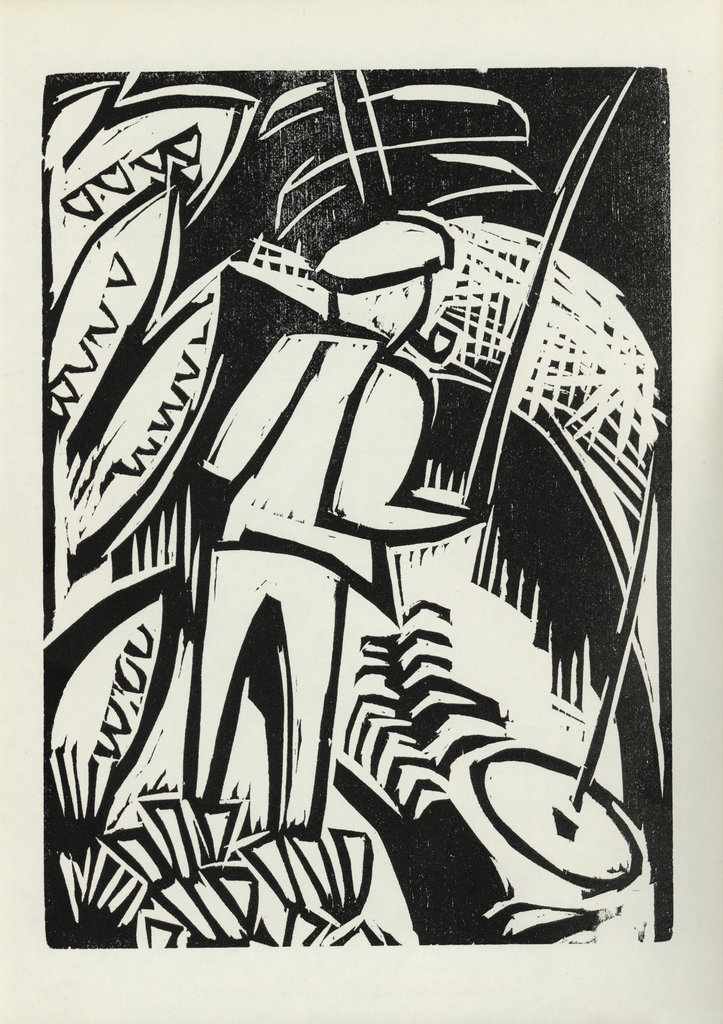
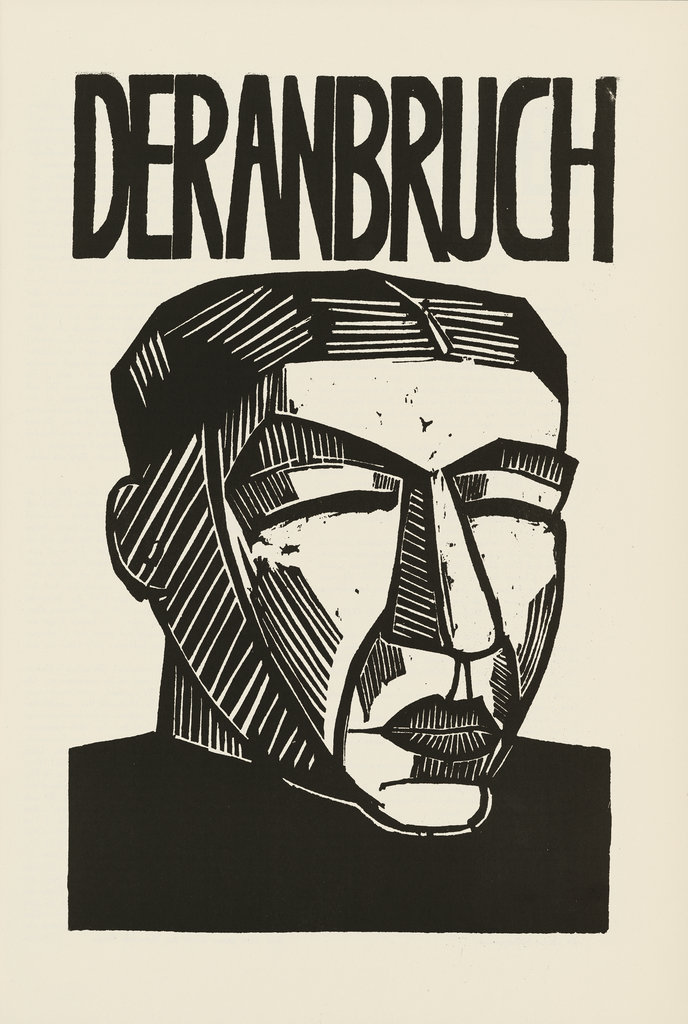
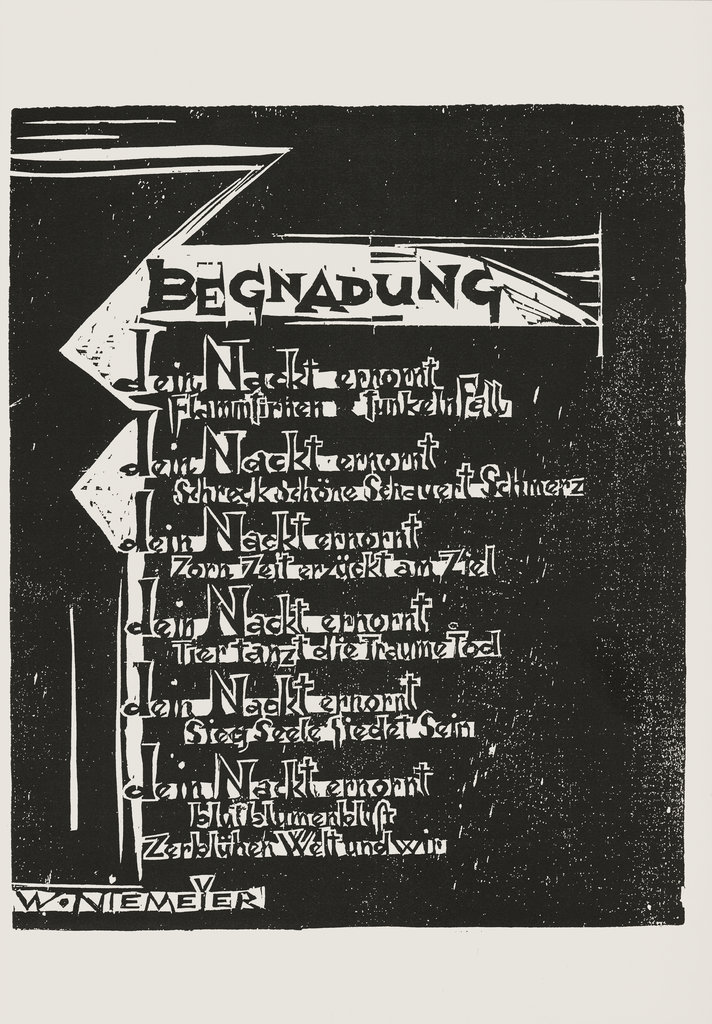
Germany (1884—1976)Schmidt-Rottluff began painting the coastal landscapes of his native town before moving towards the radical language of German Expressionism. In 1905 he co-founded Die Brücke with Kirchner, Bleyl and Heckel, and after moving to Berlin in 1911 he came into contact with the international avant-garde, further developing his distinctive style through experiments with different media and techniques, particularly woodcuts. In the early 1930s he joined the Prussian Academy of Art, but his position soon became untenable under the Nazi regime: his work was declared degenerate and he was expelled from the Academy, while his Berlin studio was destroyed by bombing in 1943. After WWII he became a professor at the University of Arts in Berlin-Charlottenburg.