Max Burchartz
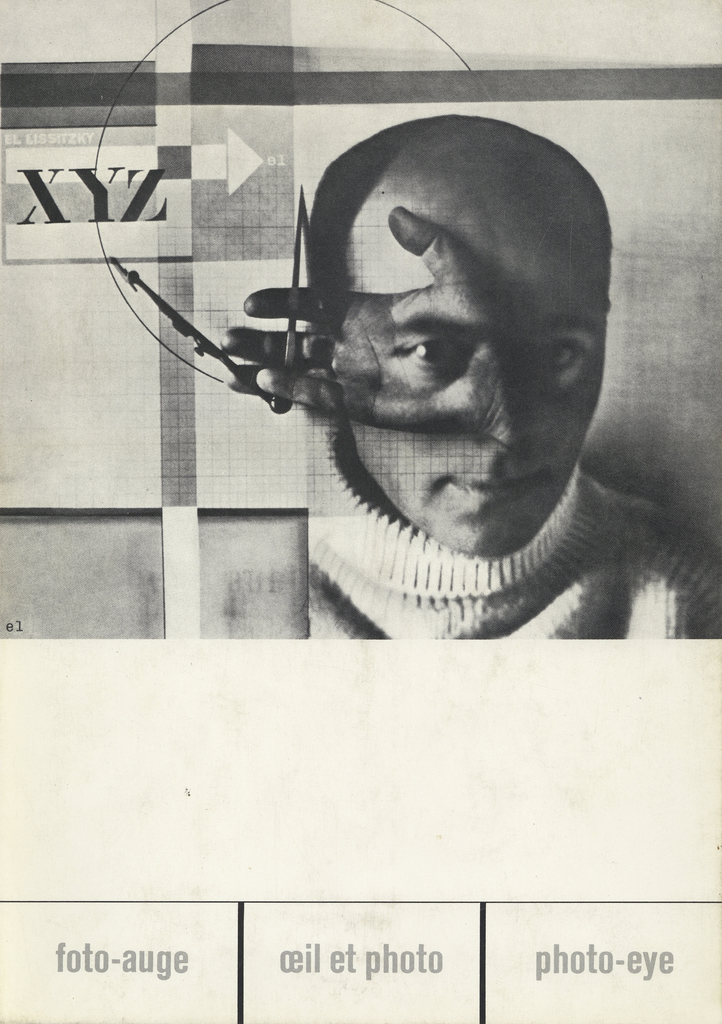
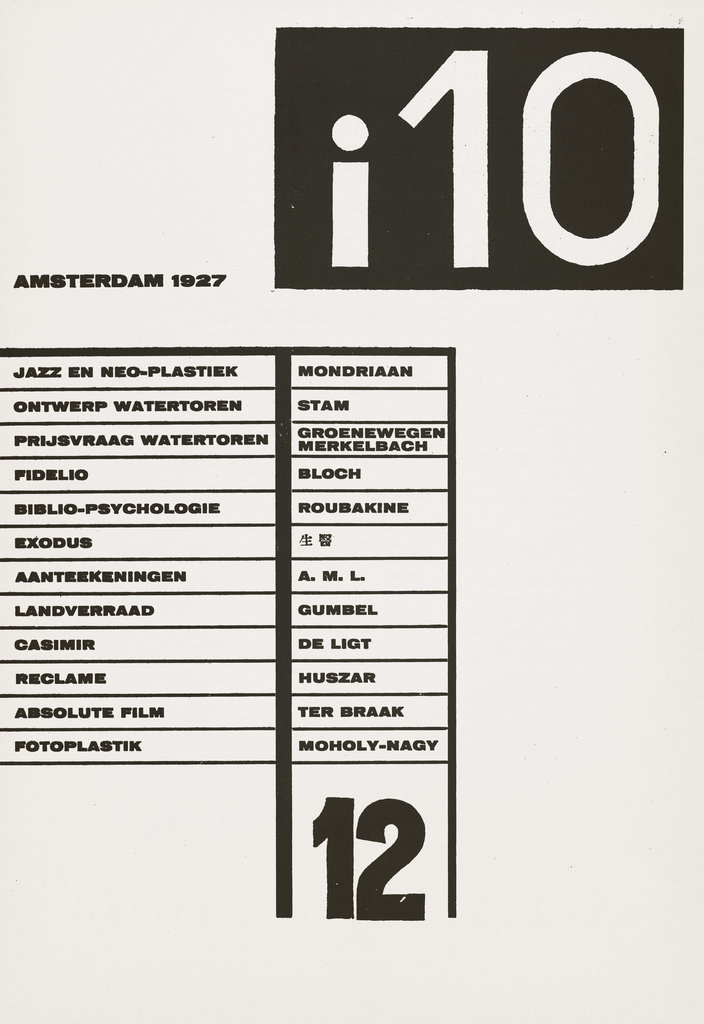
Germany (1887—1961)After the First World War, Burchartz increasingly turned towards abstraction and new approaches to visual design, exploring the relationship between form, typography and space. In 1922 he attended Theo van Doesburg’s De Stijl course at the Bauhaus in Weimar, an experience that strengthened his interest in Constructivism and the principles of Neue Gestaltung. In 1924 he abandoned painting and devoted himself to typography, graphic and advertising design, founding the werbe-bau agency in Bochum with Johannes Canis. His work combined experimental typography, photography and photomontage and later extended to furniture and industrial design, including important projects for the German manufacturer Wehag. From 1926 he taught graphic design and photography at the Folkwangschule in Essen; dismissed in 1933, he returned to the school in 1949 and continued teaching until 1955.