Piet Mondriaan
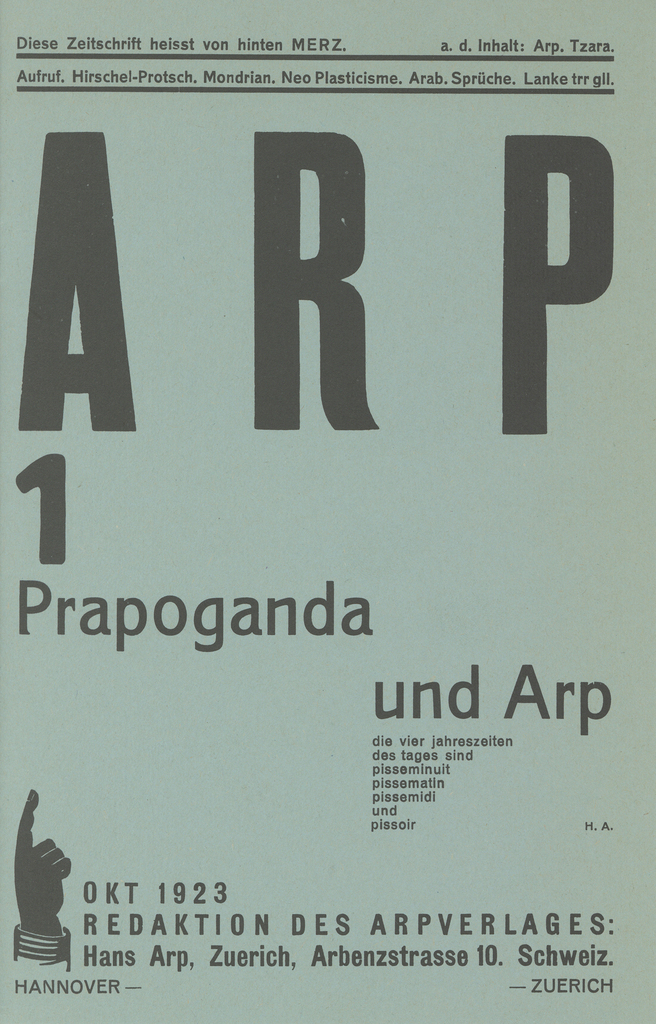
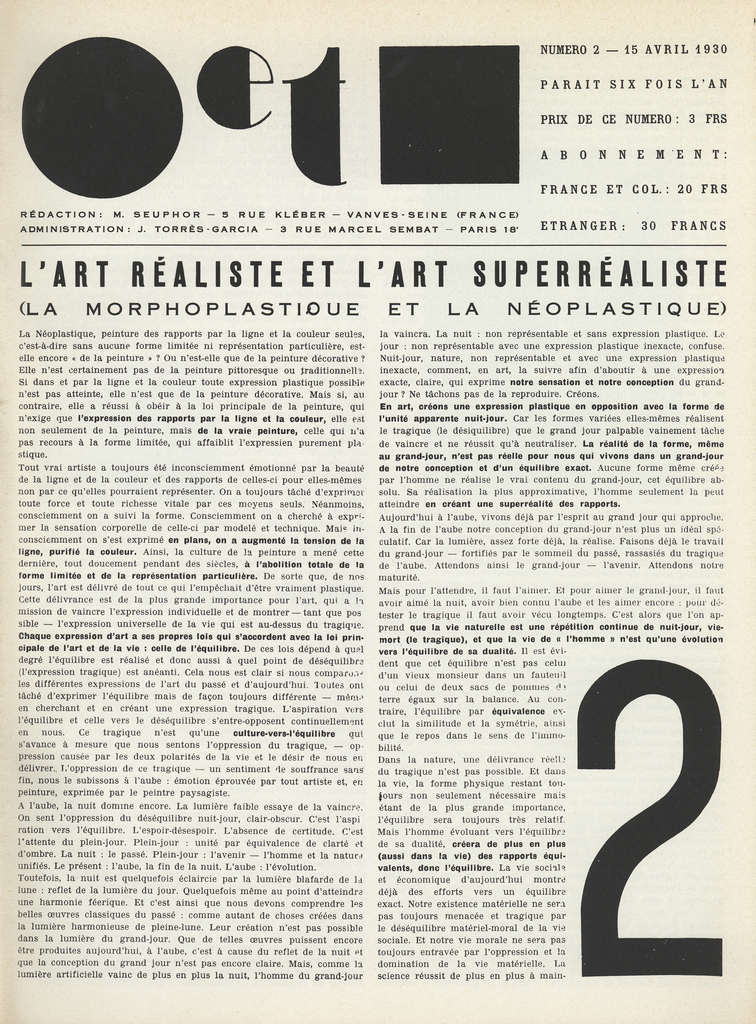
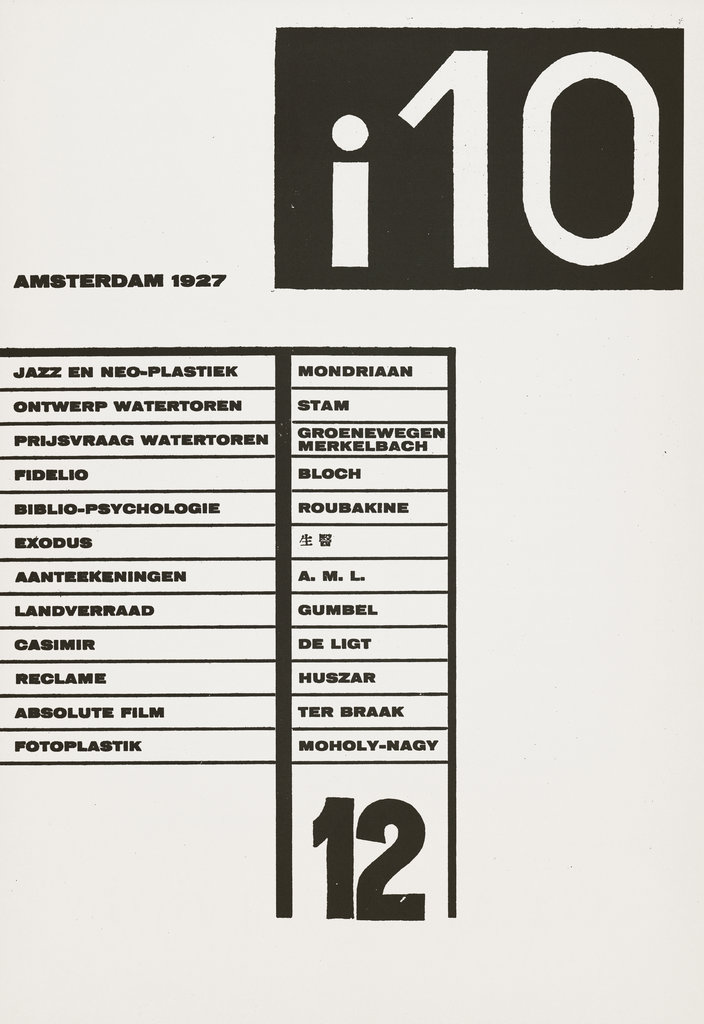
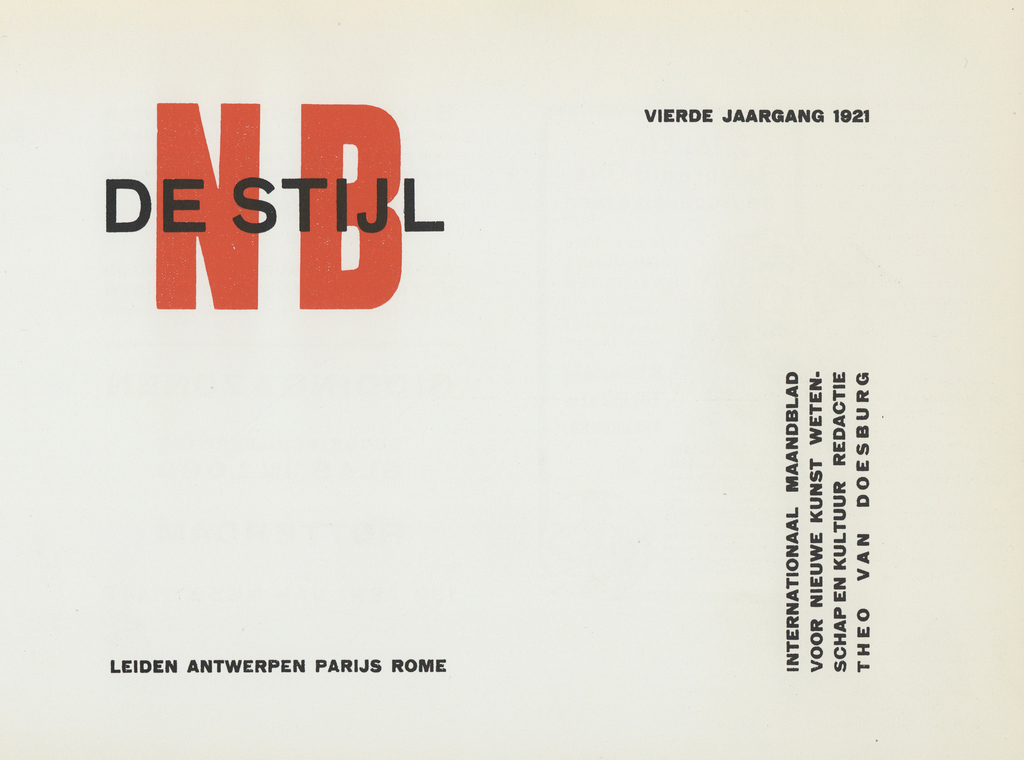
The Netherlands (1872—1944)Born Pieter Cornelis Mondriaan, he studied at the Rijksakademie van Beeldende Kunsten in Amsterdam. In 1909, he joined the Theosophical Society, whose ideas profoundly influenced his conception of art. In 1912, he moved to Paris, where he encountered Cubism and gradually shifted from landscapes towards geometric abstraction. When the First World War broke out, he was in the Netherlands and unable to return to Paris, developing his style more independently. In 1917, he became one of the founders of the De Stijl movement and contributed to its journal, promoting Neo-Plasticism, an abstract visual language based on horizontal and vertical lines and primary colours. After the war, he returned to Paris, where he continued to develop his characteristic compositions. In 1938, he moved to London and, in 1940, to New York, where he joined a vibrant artistic scene and his work took on a new dynamism. His late paintings incorporated coloured lines and smaller blocks of colour, reflecting the rhythms of the city and his interest in jazz. He completed Broadway Boogie-Woogie in 1943, a year before his death in New York in 1944.