Piet Zwart
The Netherlands (1885—1977)Trained in architecture and drawing, Piet Zwart began his career in the Arts and Crafts tradition before, from 1919, becoming increasingly influenced by the principles of De Stijl, particularly its use of colour and geometric forms. He worked in the offices of Jan Wils and H. P. Berlage and also taught at the Rotterdam Academy of Visual Arts, while his work brought him into contact with the international avant-garde and the Ring neuer Werbegestalter, the influential group of European advertising designers. From 1923 he developed an innovative approach to graphic design through his work for the Nederlandsche Kabelfabriek (NKF) in Delft, where he experimented extensively with typography, photography and photomontage. He also produced important graphic projects for the Dutch postal service, including Het Boek van PTT. From 1929 he worked for Bruynzeel, designing graphic materials as well as furniture and interior projects, most notably the modular kitchen that became one of the best-known examples of Dutch functional design.
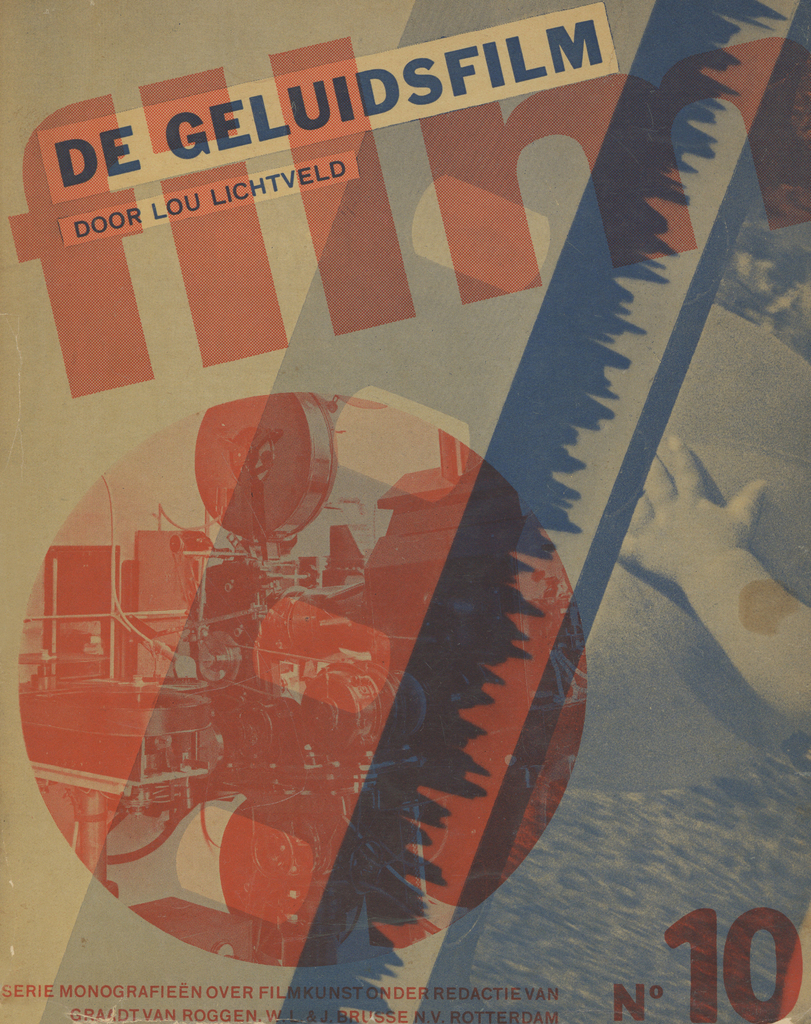
De Geluidsfilm door Lou Lichtveld
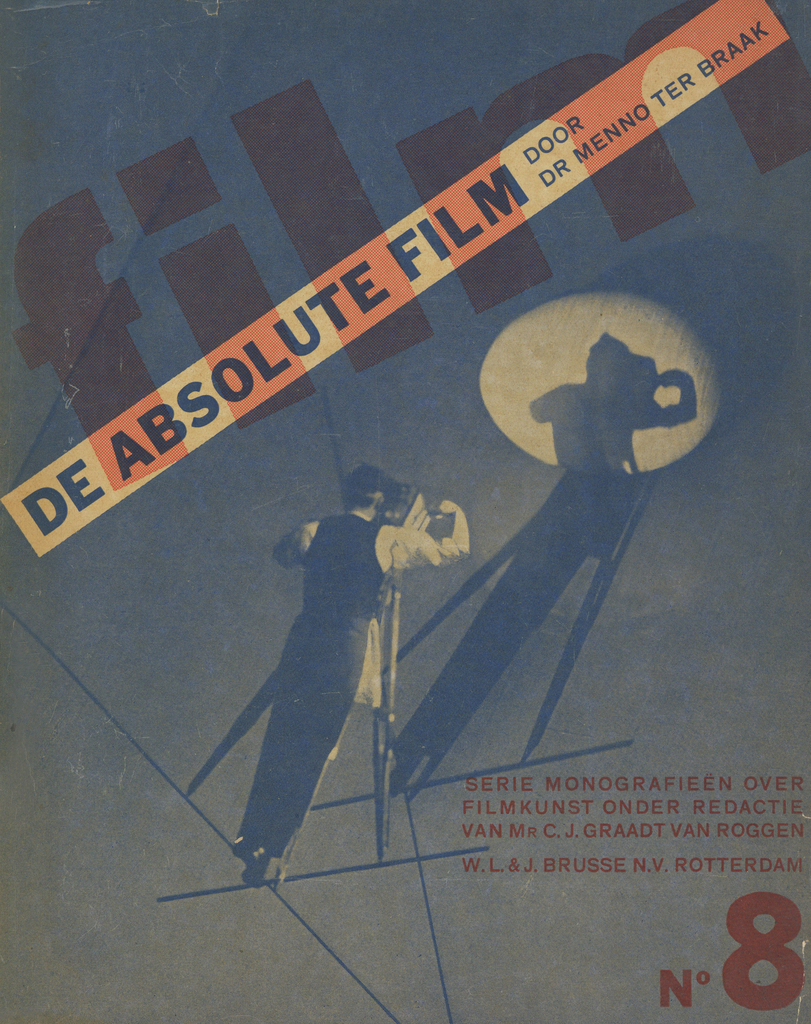
De absolute Film door Dr Menno Her Braak
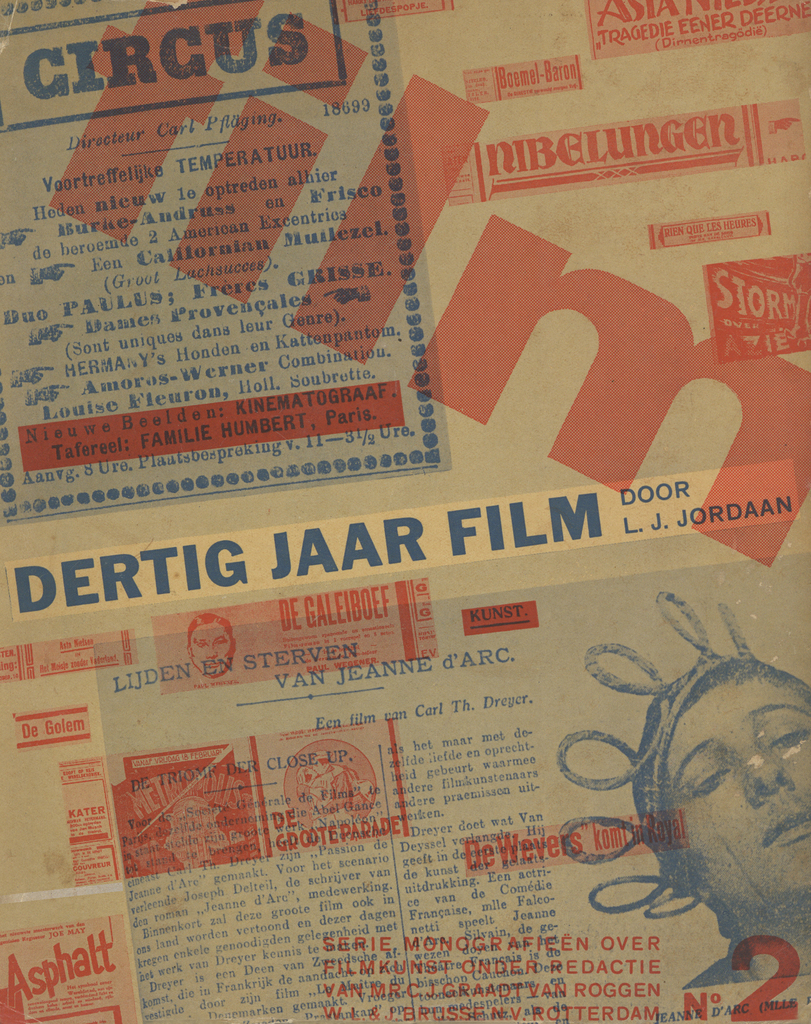
Dertig Jaar Film
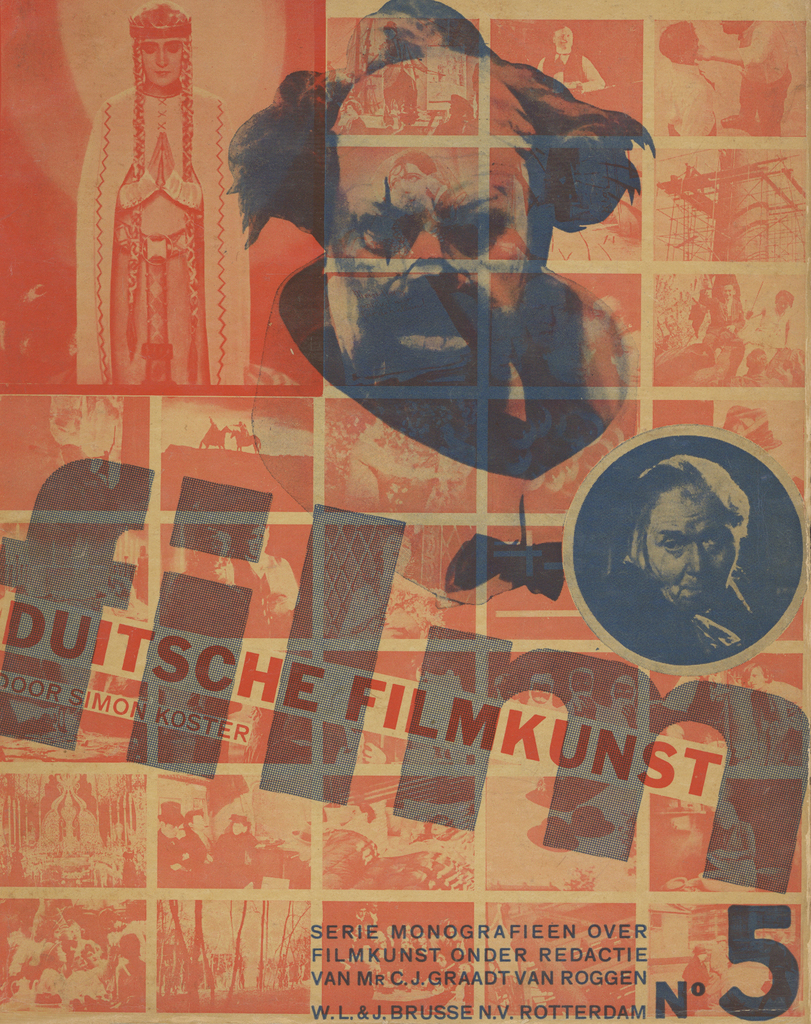
Duitsche Filmkunst door Simon Koster
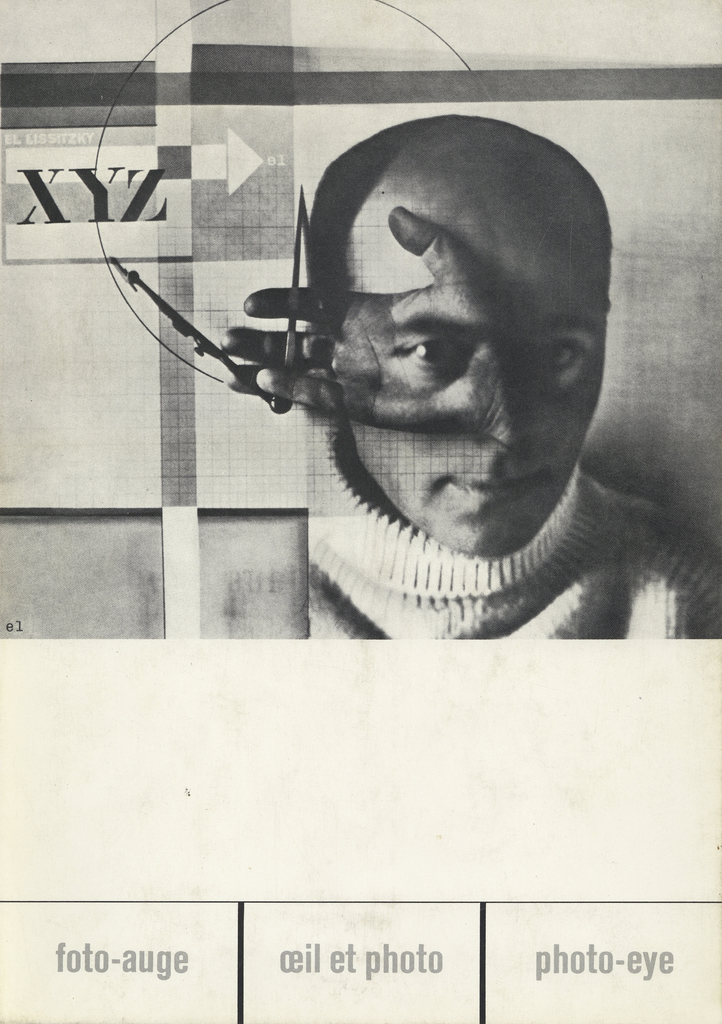
Foto-auge
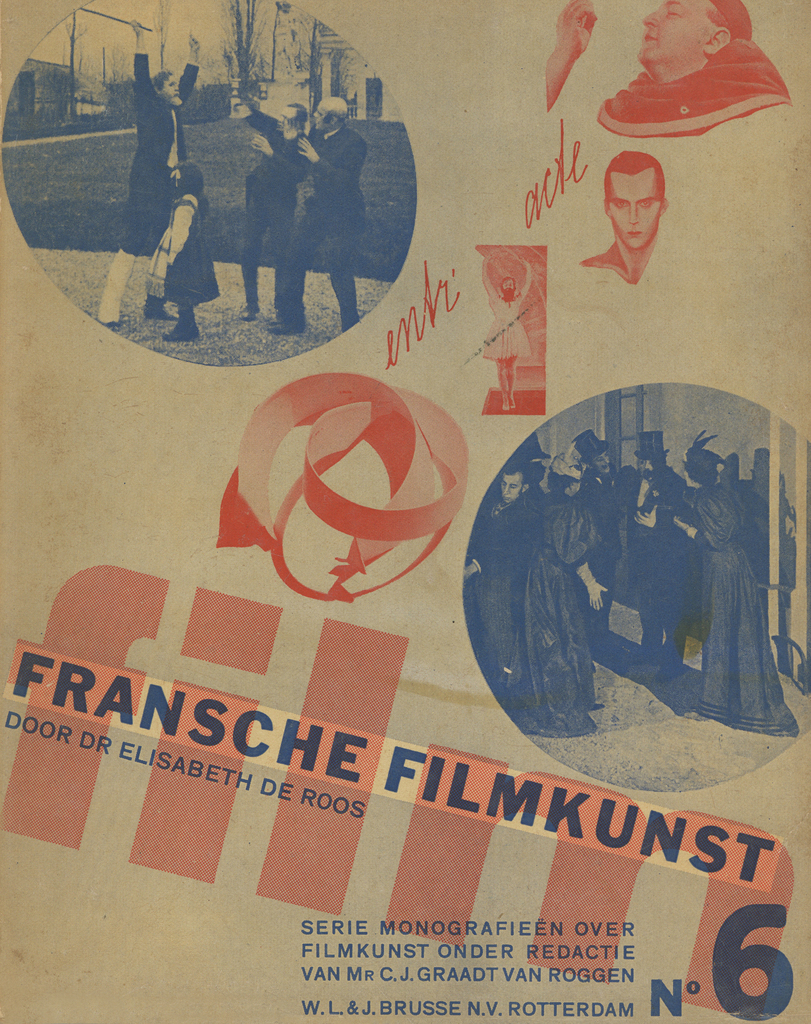
Fransche Filmkunst door Dr Elisabeth De Roos
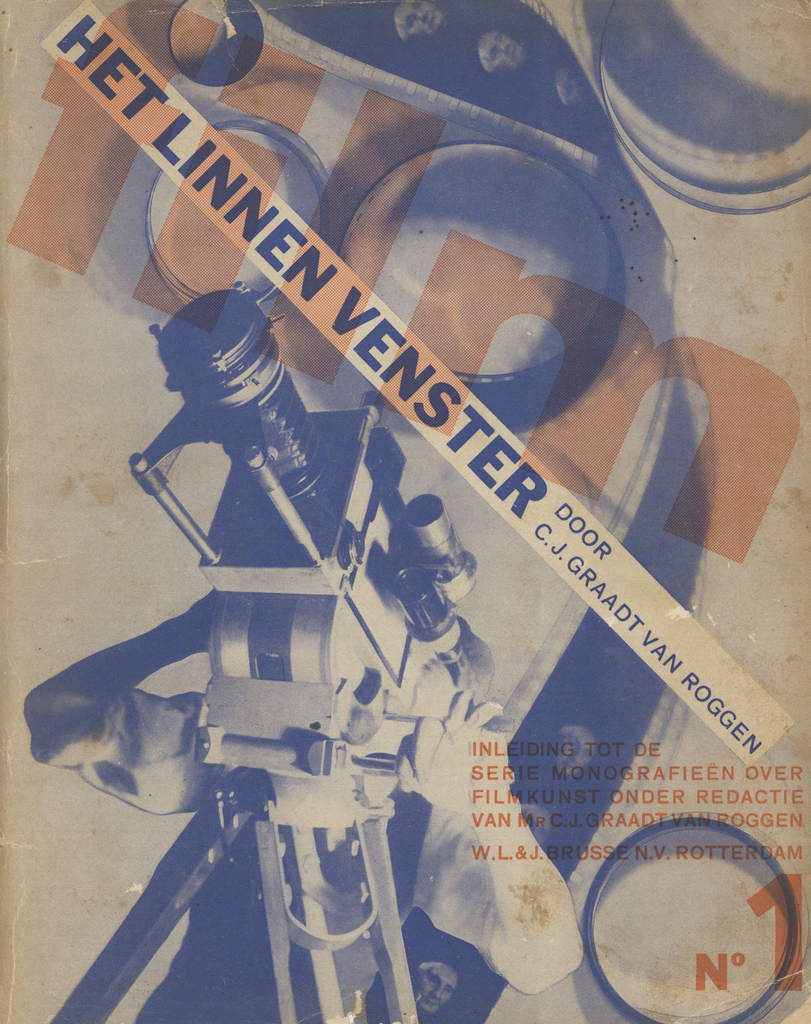
Het Linnen Venster
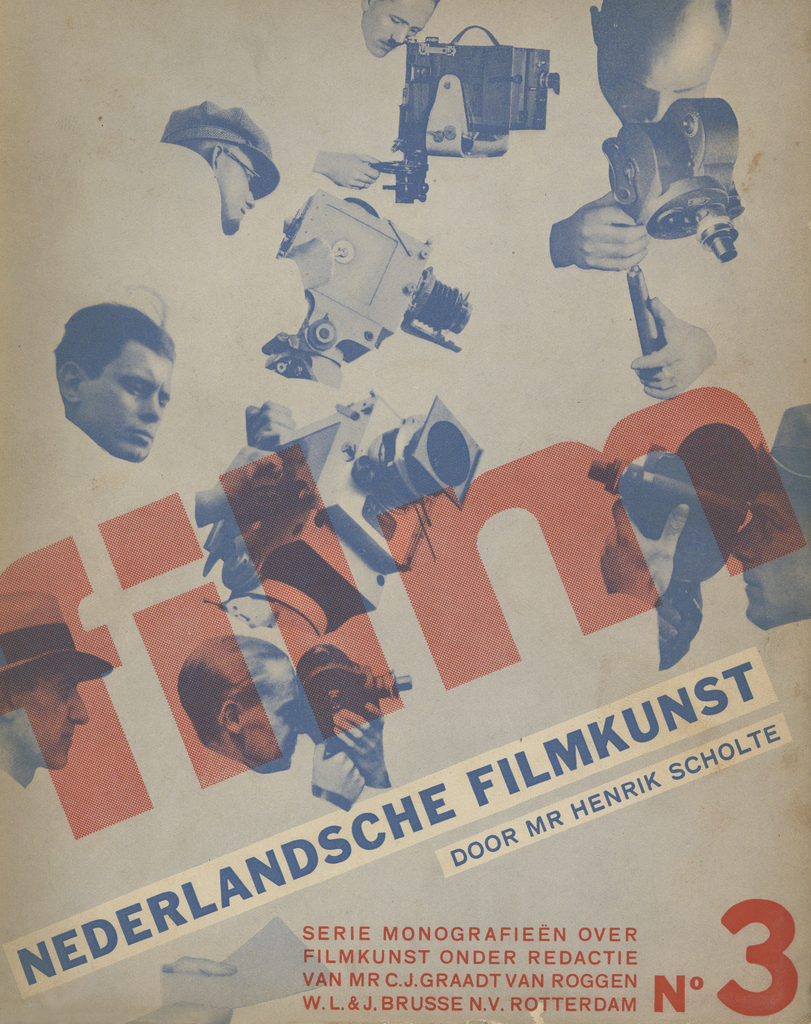
Nederlandsche Filmkunst door Mr Henrik Scholte
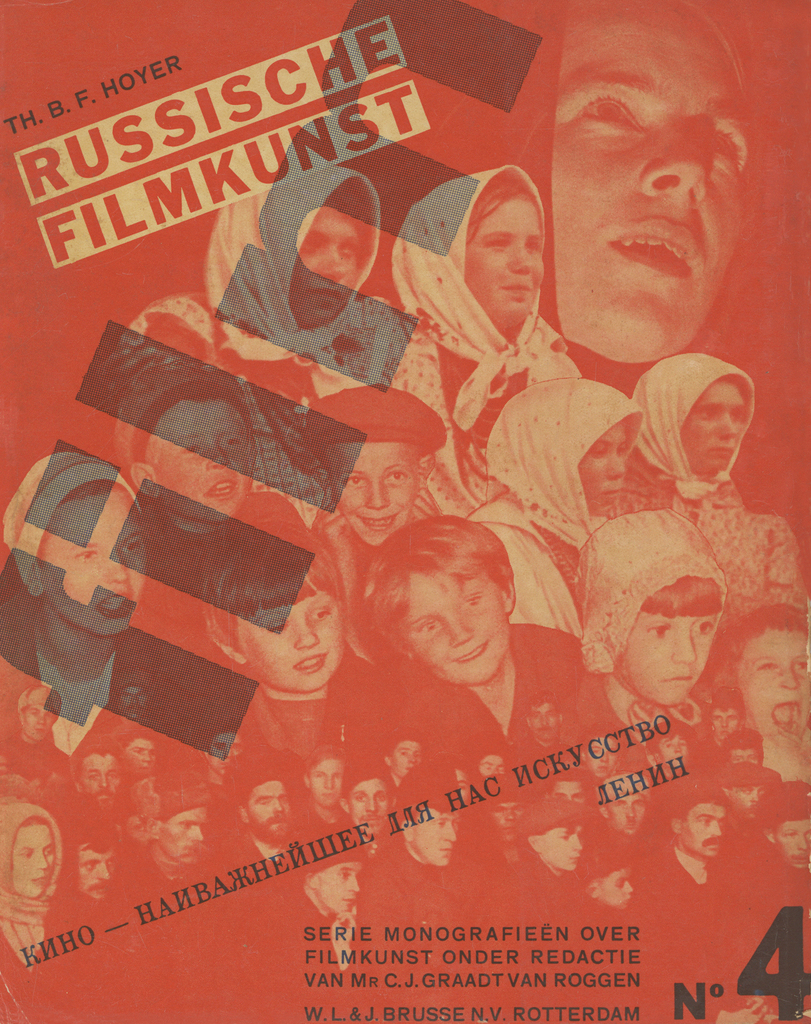
Russische Filmkunst