A Democratic Cultural Landmark
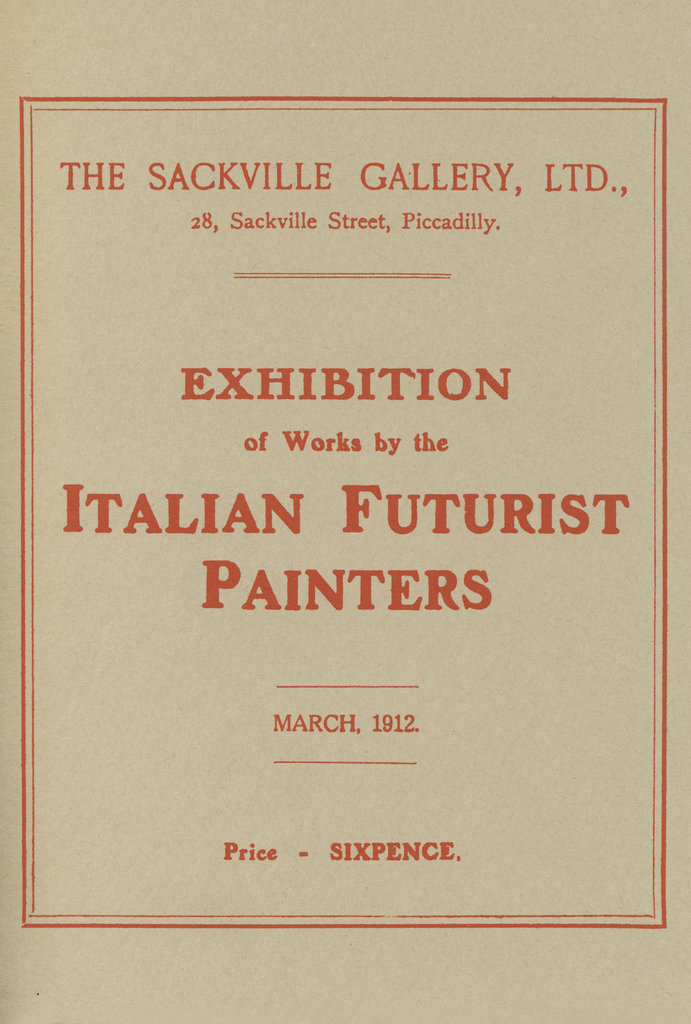
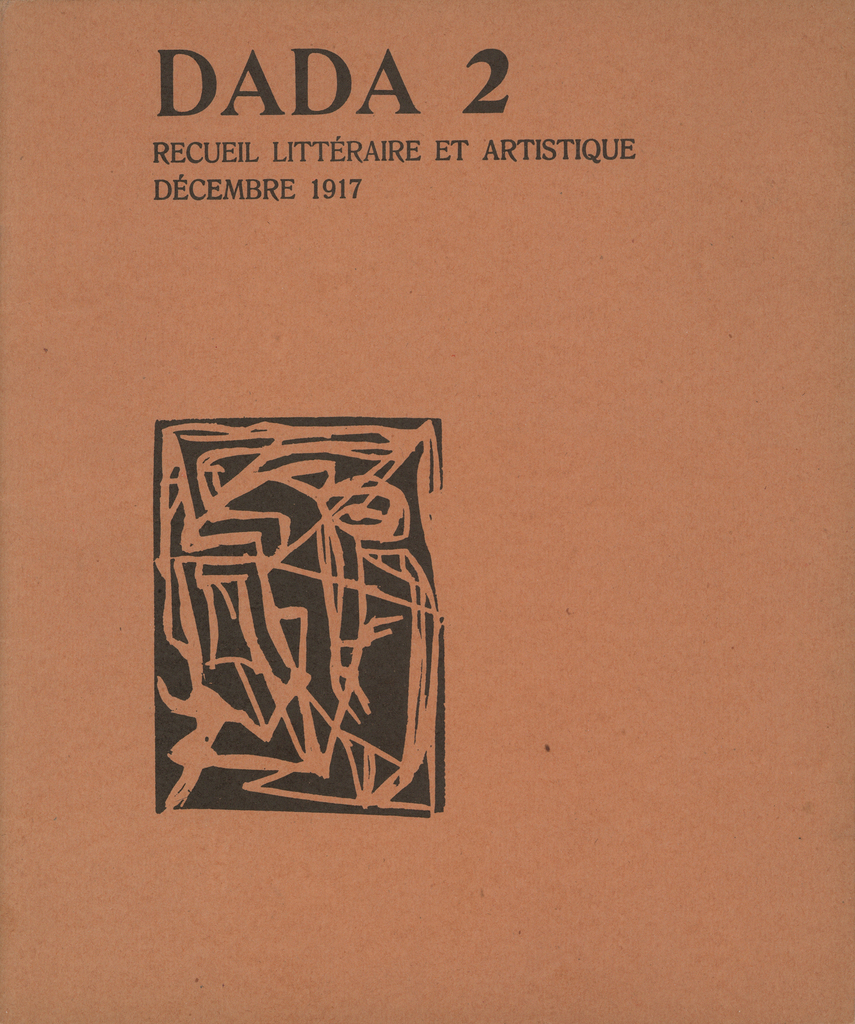
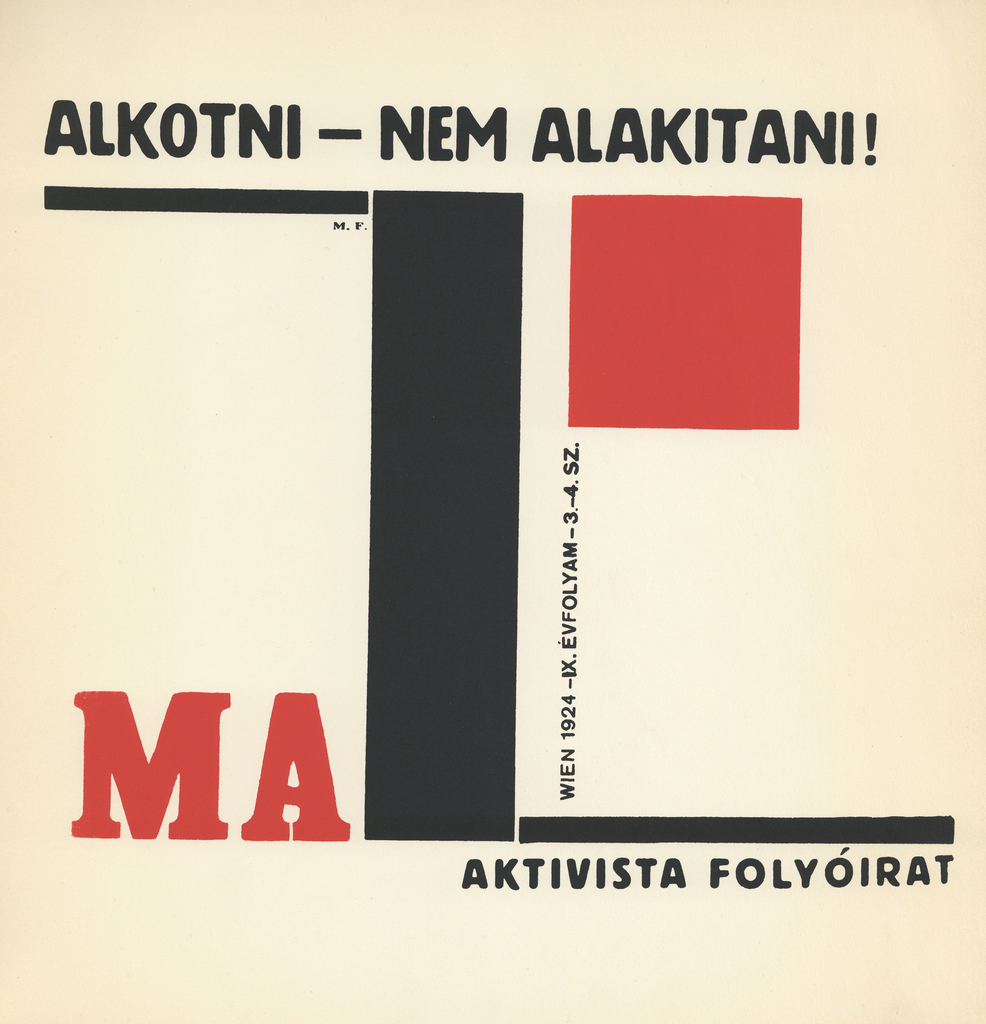
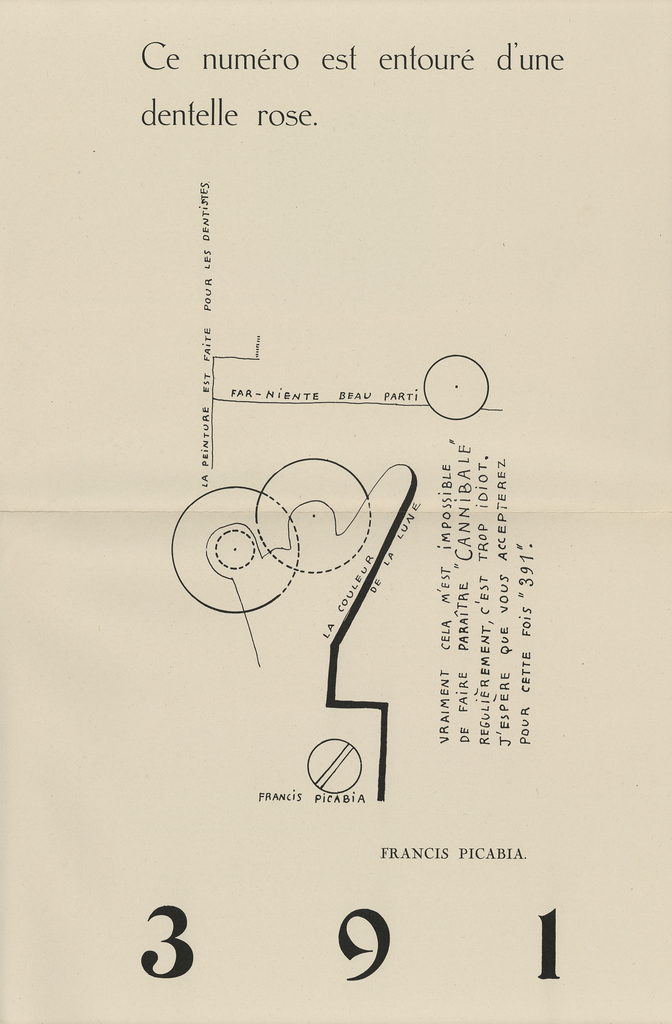
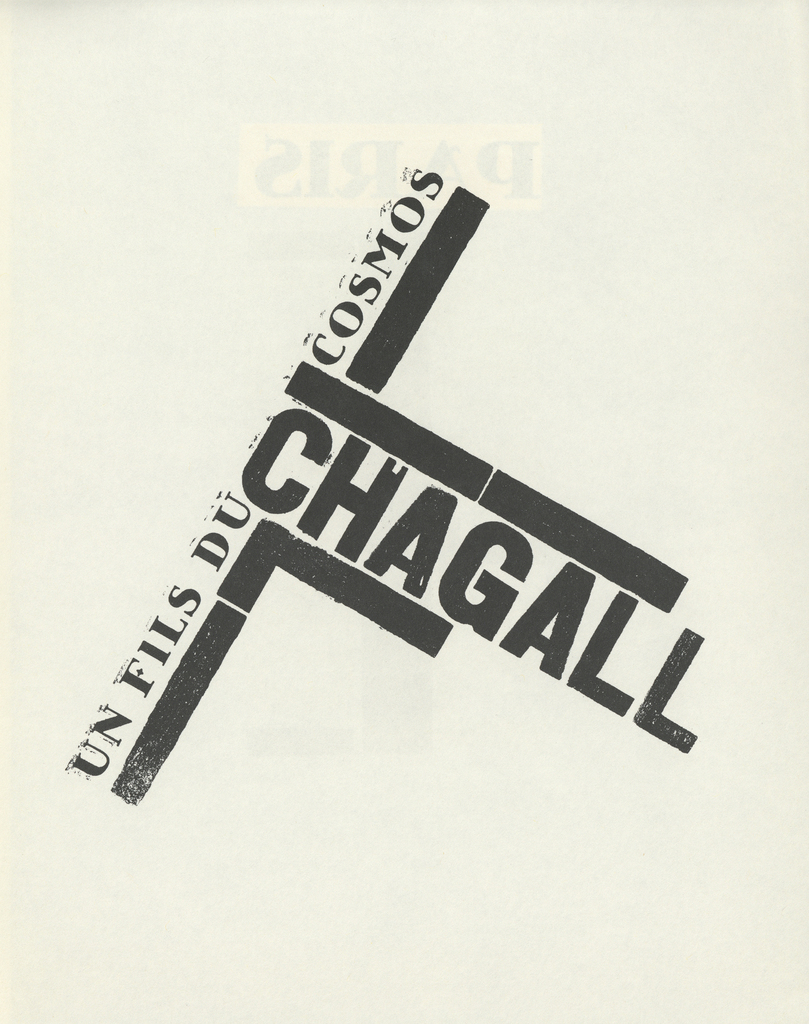
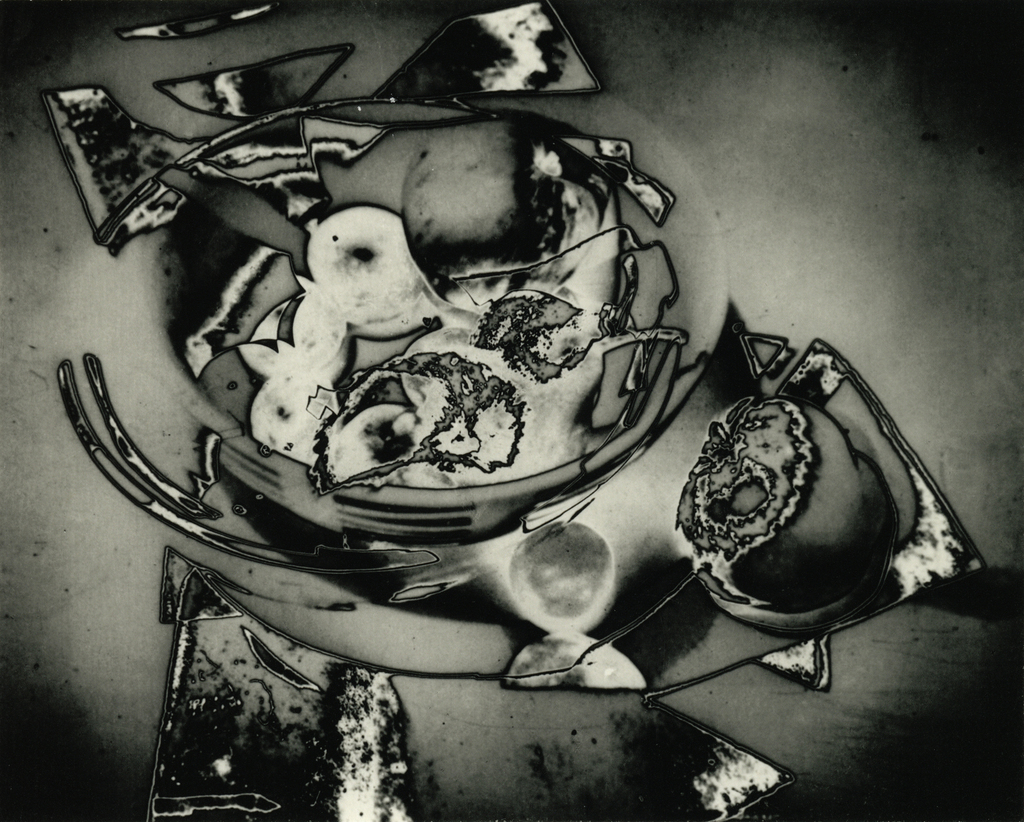
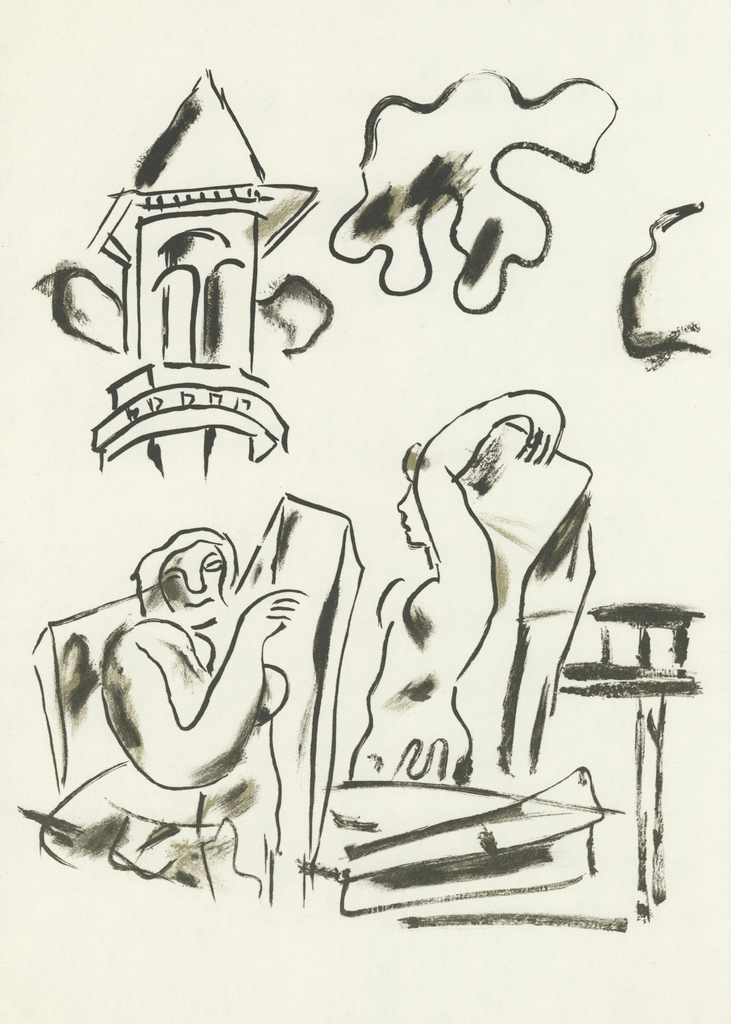
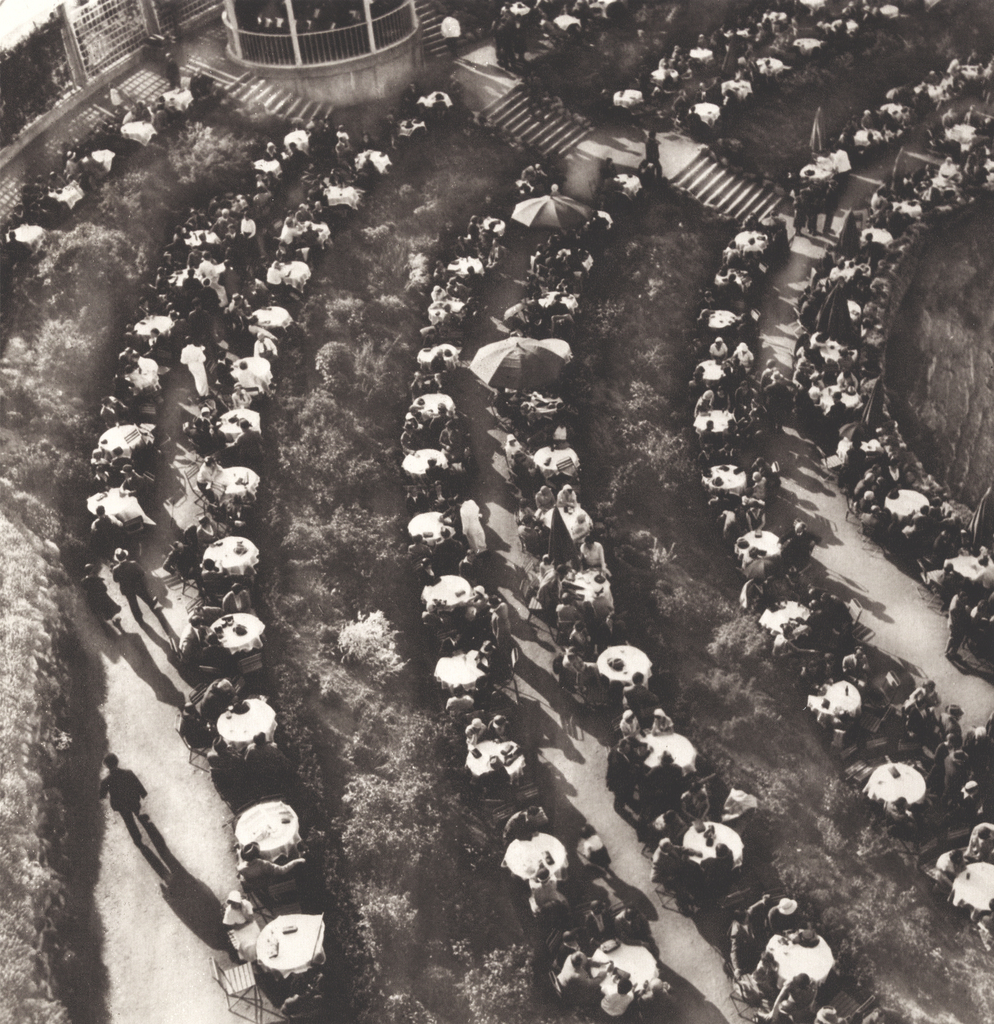
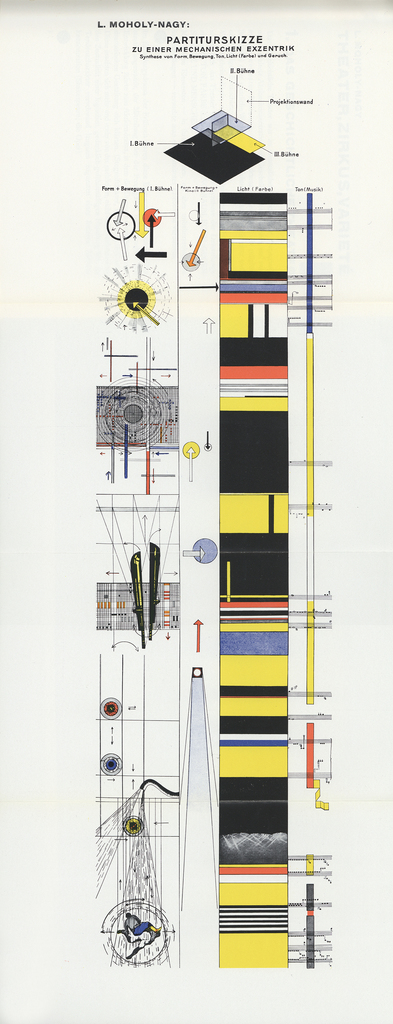
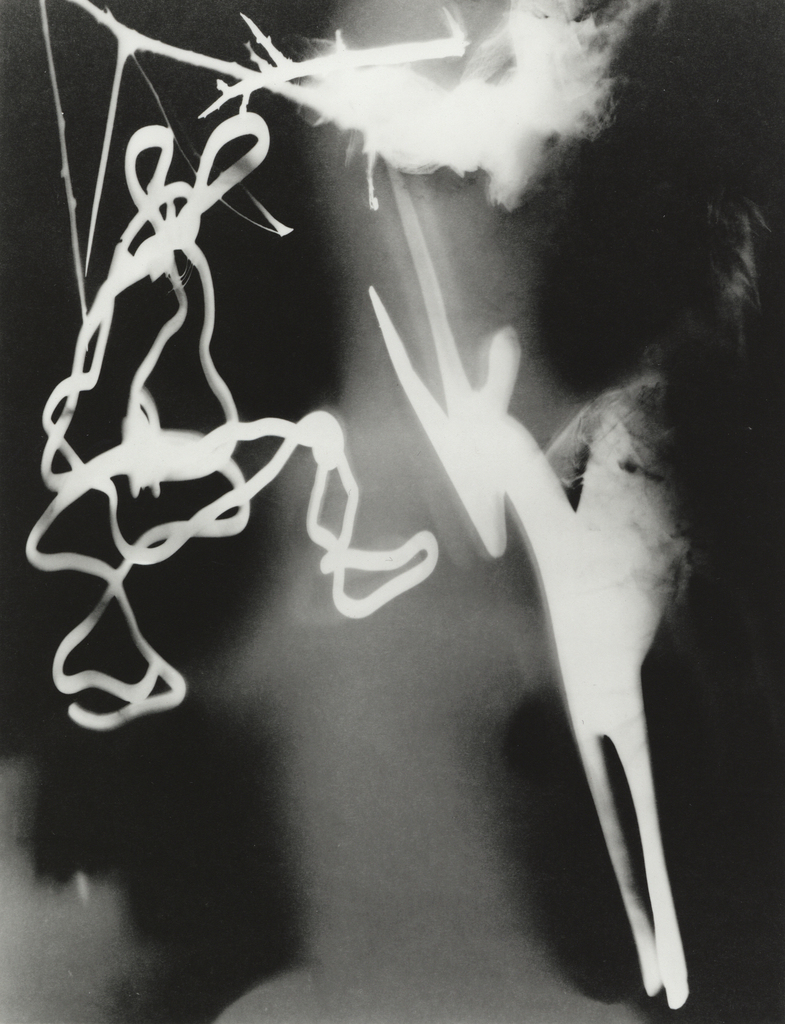
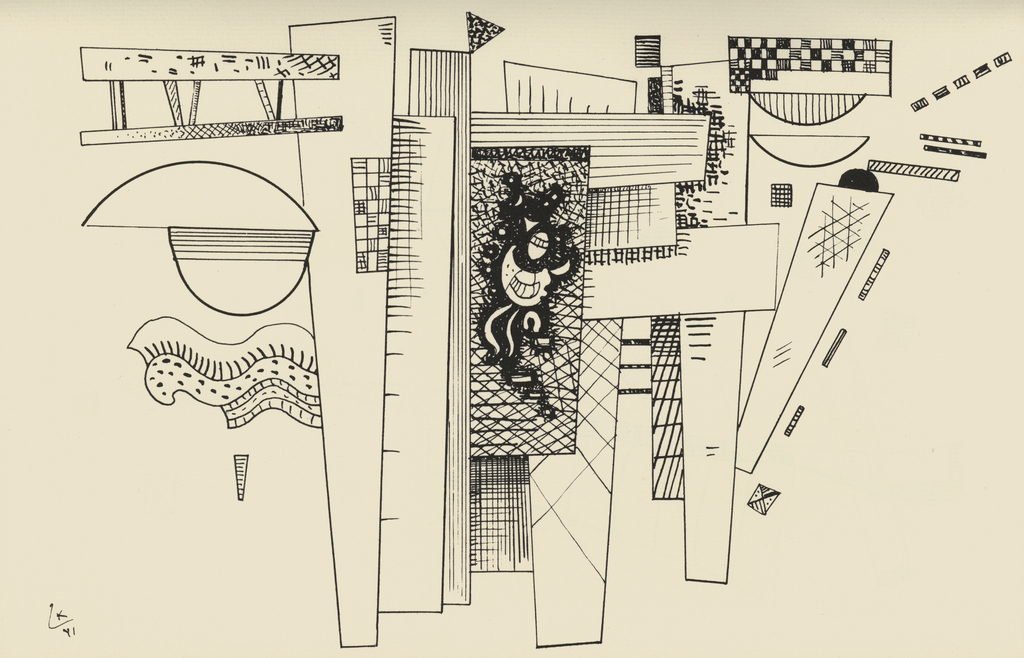
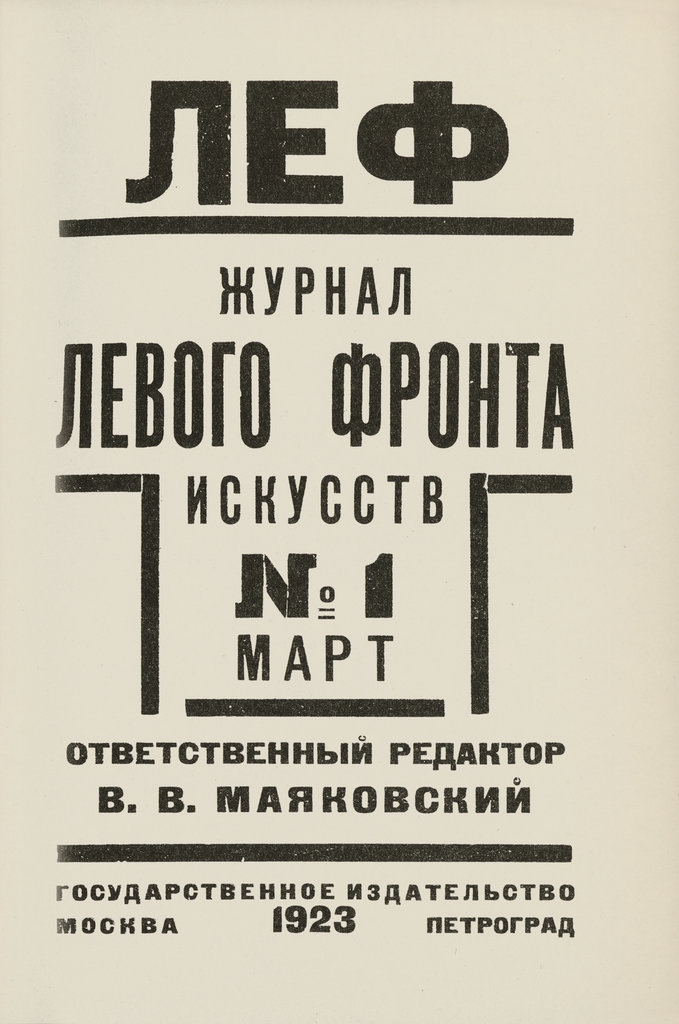
The Museum of Avant-garde (MA-g) is a cultural project that brings together artistic research, cultural exchange, and public engagement. Rooted in the legacy of the historical avant-gardes and their spirit of experimentation, MA-g seeks to make culture an active part of everyday life, challenging conventional boundaries between artistic disciplines, cultural institutions, and society.
The museum's location is an integral part of this vision. By establishing its permanent home inside an unused space within Milan's metro network, MA-g connects cultural activity with the everyday life of the city. The choice of a public transport hub reflects a commitment to making culture more accessible, extending its presence beyond conventional cultural districts, and rethinking the role cultural institutions can play in shared urban spaces. The project is conceived as an opportunity for urban regeneration, transforming an underutilised area into a place for cultural exchange and public participation.
Alongside its exhibition activities, MA-g develops a multidisciplinary programme spanning literature, poetry, music, and the performing arts, through talks and public events. The programme encourages dialogue between different perspectives and forms of expression, creating opportunities for exploration and intellectual exchange. Education is a central part of the museum's mission. Through programmes for schools and universities, MA-g aims to encourage curiosity, develop critical thinking, and foster broader engagement with artistic and cultural research.
As a non-profit foundation, MA-g considers access to culture and positive social impact essential to its work. It is committed to promoting diversity, equity, and inclusion, reducing barriers to cultural participation, and supporting emerging artists and creative practitioners. By developing relationships with local communities, educational institutions, organisations, and businesses, the museum seeks to encourage collaboration, civic participation, and a shared sense of cultural responsibility.
Its commitment to the territory also encompasses sustainable mobility, environmental responsibility, and the vitality of the surrounding neighbourhood. MA-g aims to contribute to a more inclusive and sustainable urban environment, demonstrating how cultural institutions can become active participants in the regeneration of public spaces and in the life of the communities they serve.