Umberto Boccioni
Italy (1882—1916)Born in Reggio Calabria, Boccioni received his artistic training in Rome, where he studied Pointillism and Divisionism under Giacomo Balla. His early work was close to Verismo, while his later artistic development was also influenced by Cubism. His encounter with Filippo Tommaso Marinetti led him to translate the ideas of Futurism into the visual arts, and in 1910, together with Carlo Carrà and Luigi Russolo, he wrote the Manifesto of the Futurist Painters, which was subsequently signed by Balla and Severini, and contributed prominently to the Technical Manifesto of Futurist Painting. He soon became one of the movement’s leading artistic figures, developing a body of work that gave powerful expression to the modern city and its dynamism. In 1912, he exhibited with his Futurist colleagues at the first Futurist exhibition in Paris, while his research increasingly turned towards a more dynamic and structurally complex treatment of form, as seen in the series States of Mind and in his sculptural work. From 1912 to 1914, he contributed to the Futurist journal Lacerba, and in 1914 published his book Futurist Painting and Sculpture (Plastic Dynamism). During the First World War, Boccioni served as a volunteer and was later assigned to an artillery regiment in Verona. On 16 August 1916, while serving near Sorte, he fell from a horse and died the following day from his injuries.
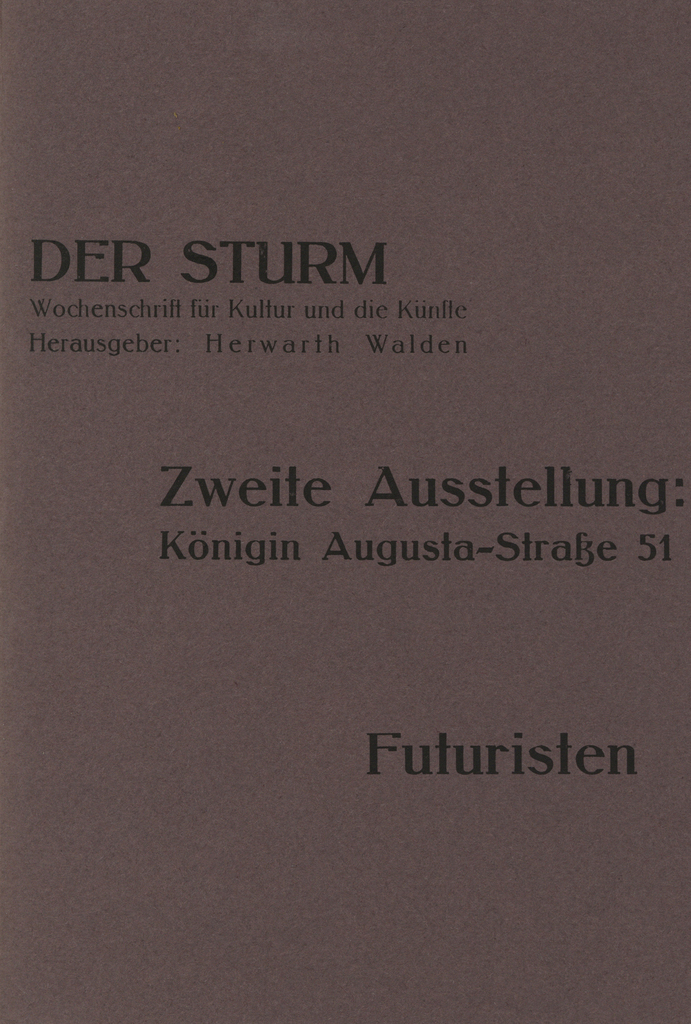
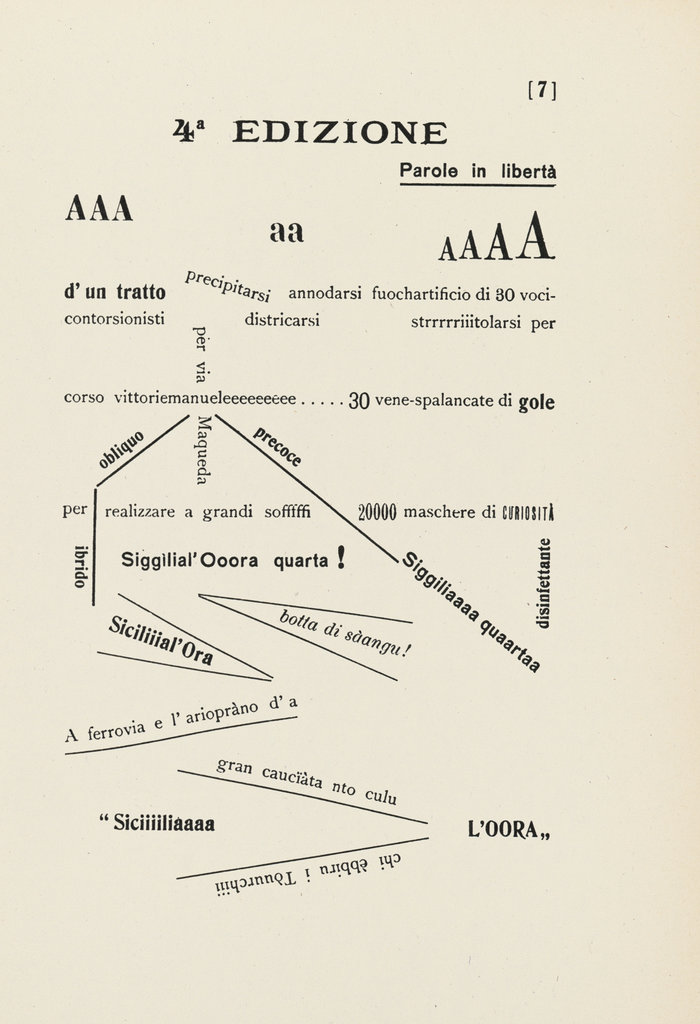
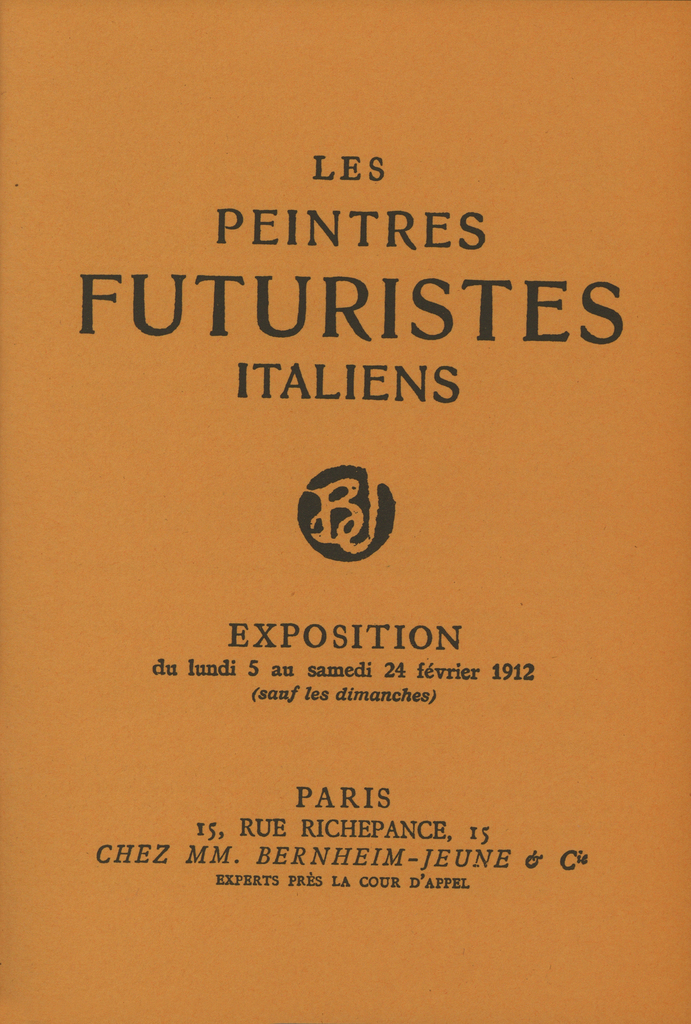
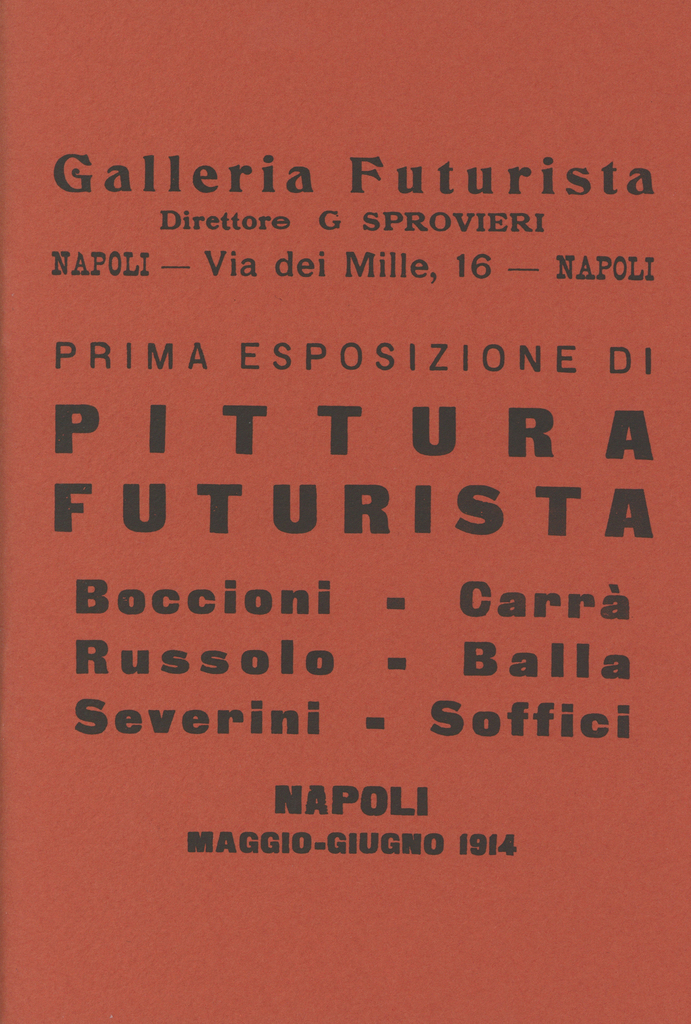
Die Futuristen. Gesellschaft zur Förderung moderner Kunst m.b.H
Erster Deutscher Herbstsalon Der Sturm
Esposizione di pittura futurista di “Lacerba”
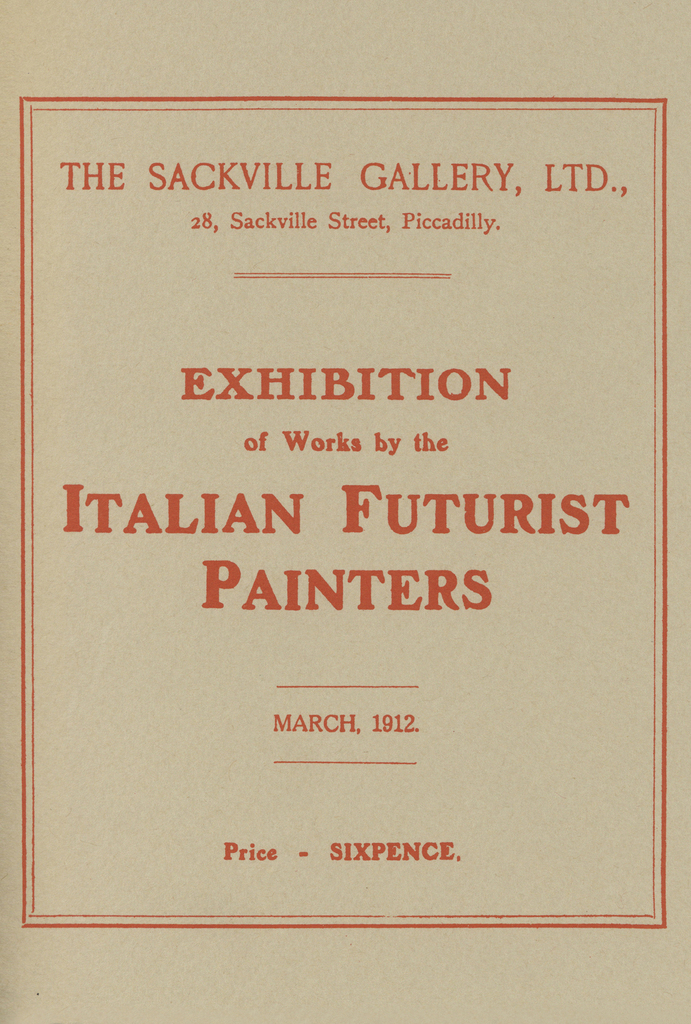
Exhibition of works by the italian futurist painters
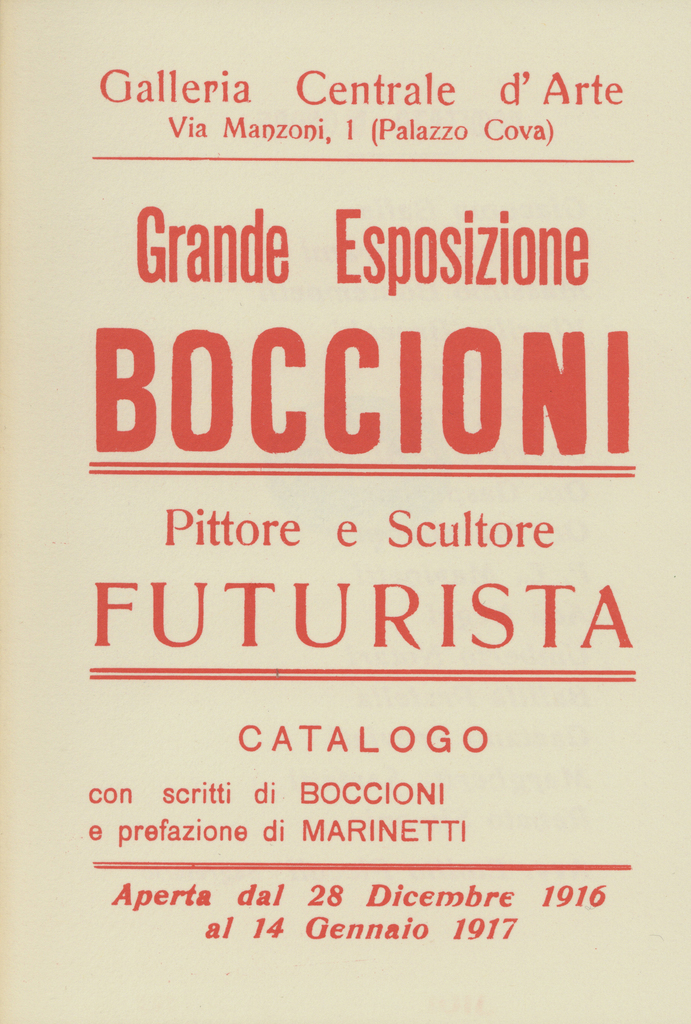
Grande esposizione. Boccioni, pittore e scultore futurista
La balza futurista
Les peintres futuristes italiens
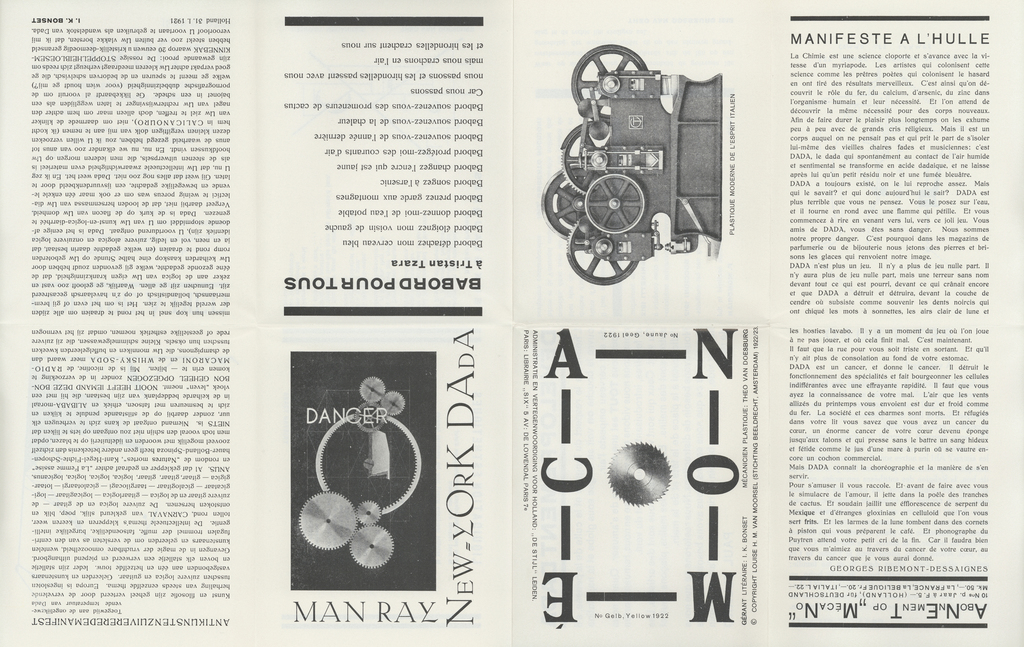
Mécano
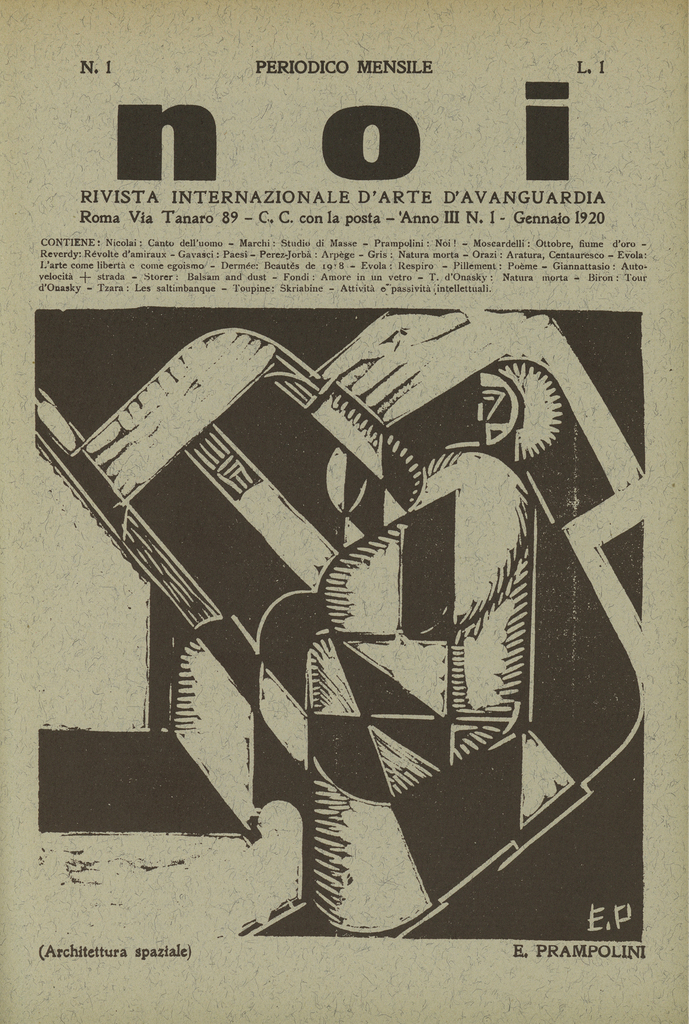
Noi
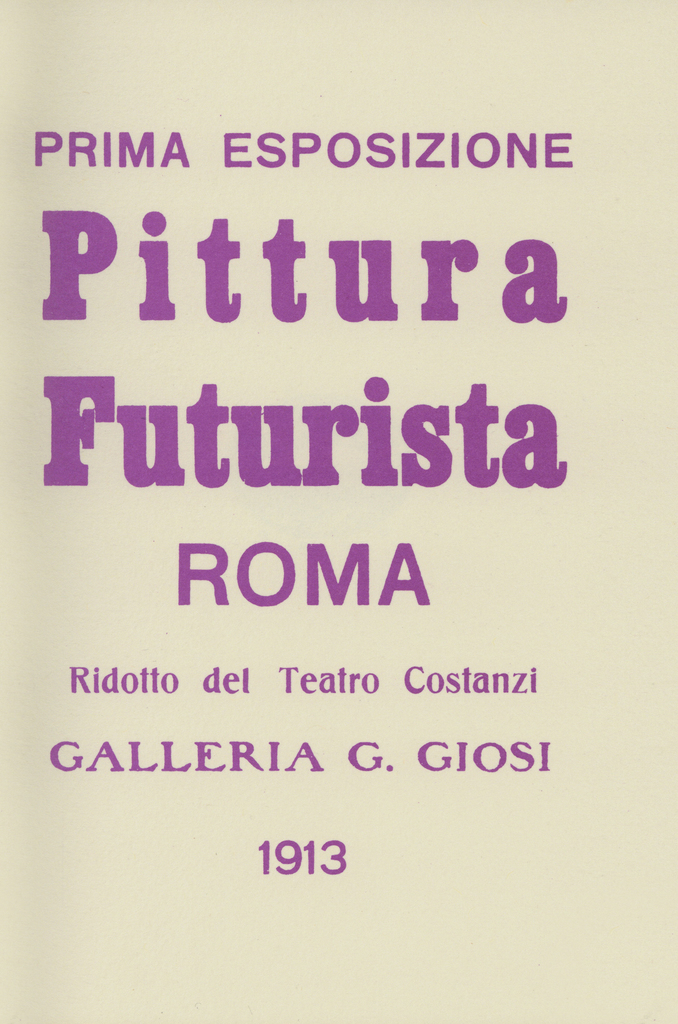
Prima esposizione di pittura futurista
Prima esposizione pittura futurista
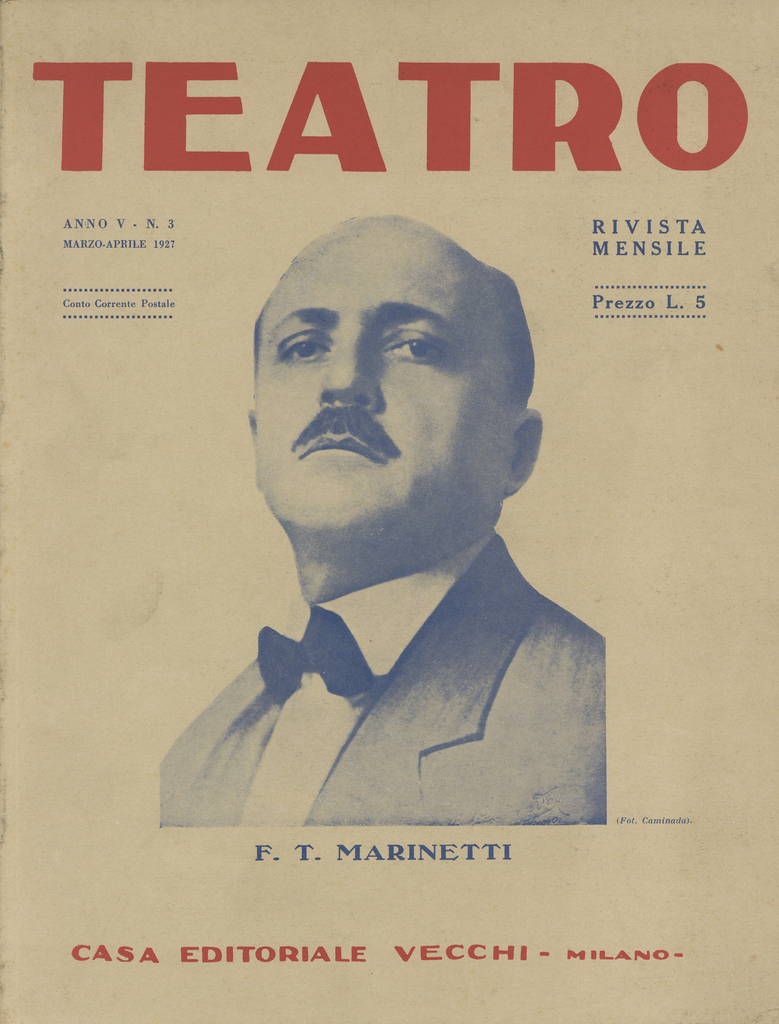
Teatro