Umbo (Otto Umbehr)
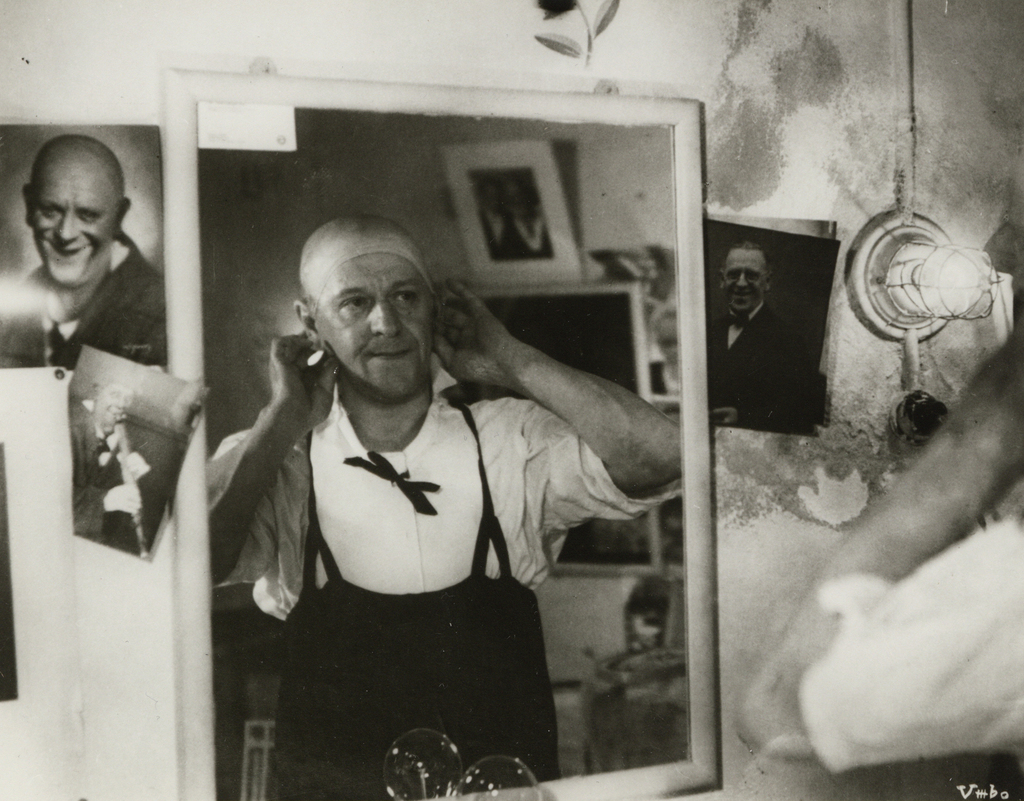
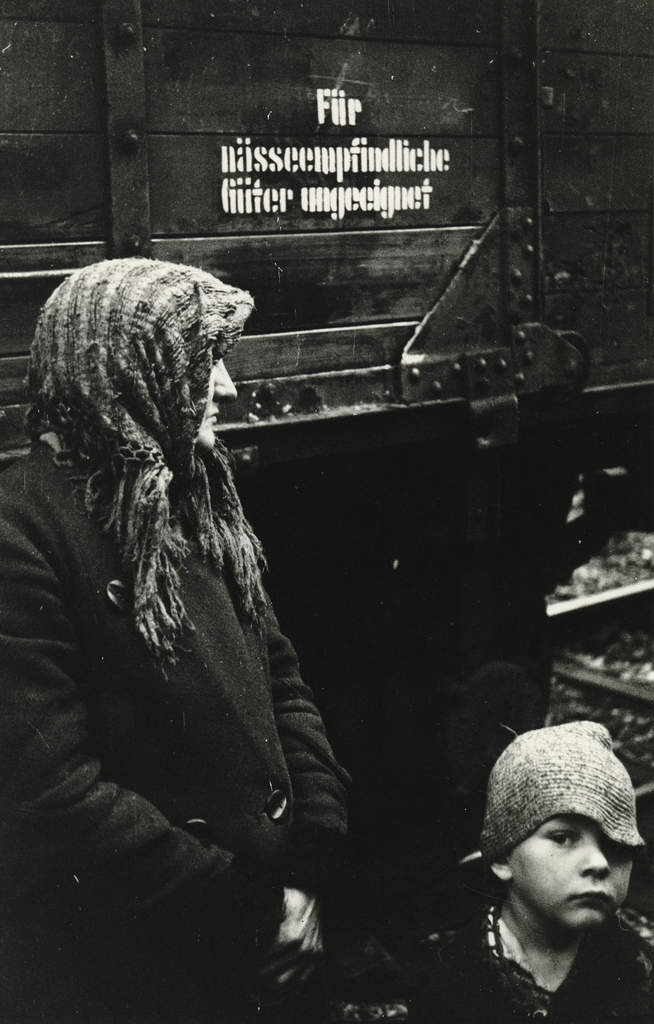
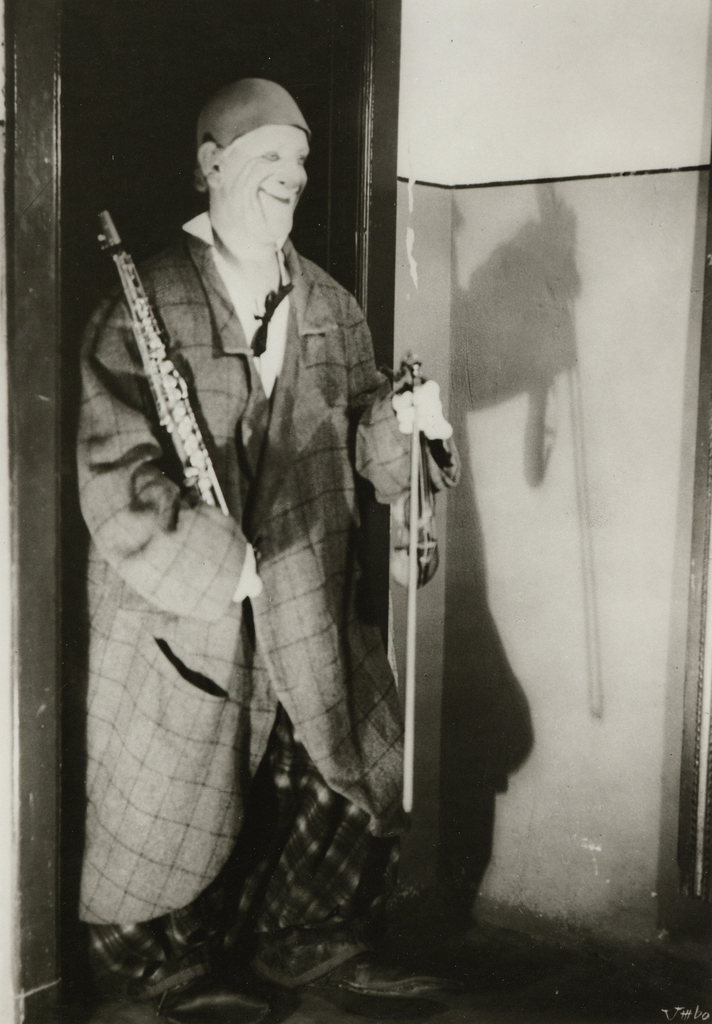
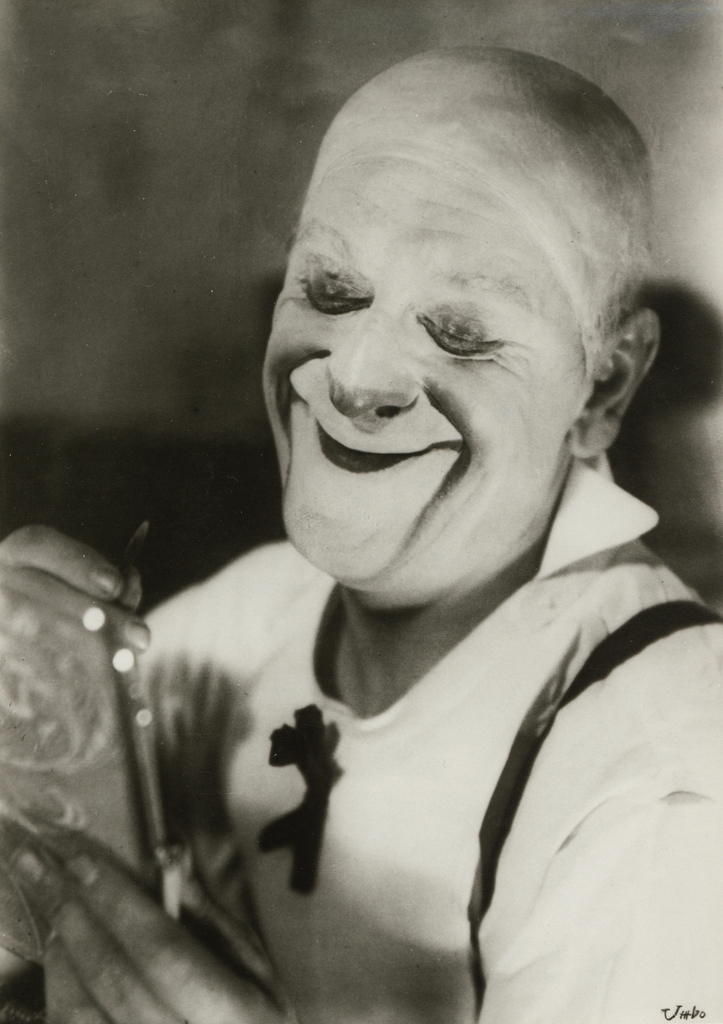
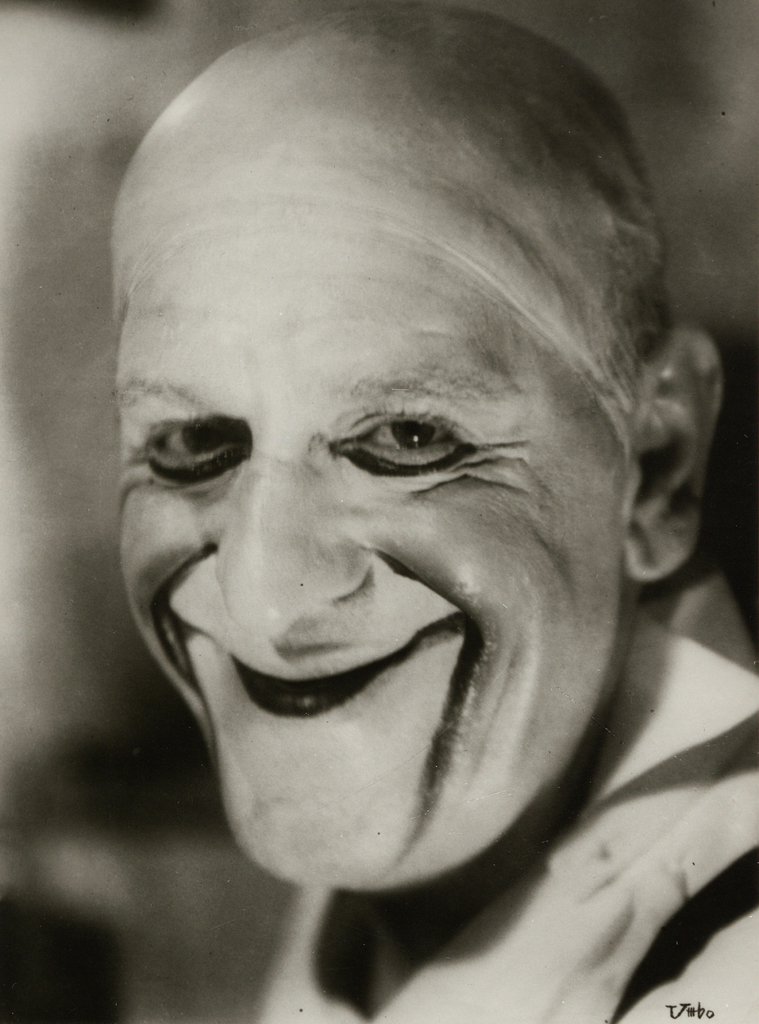
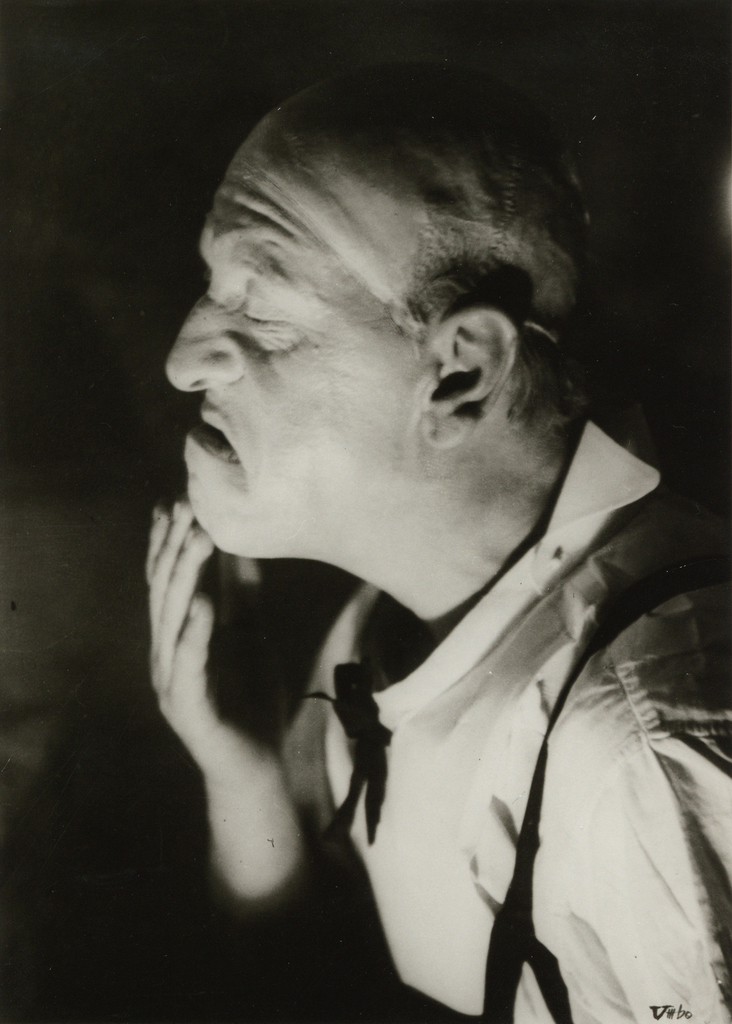
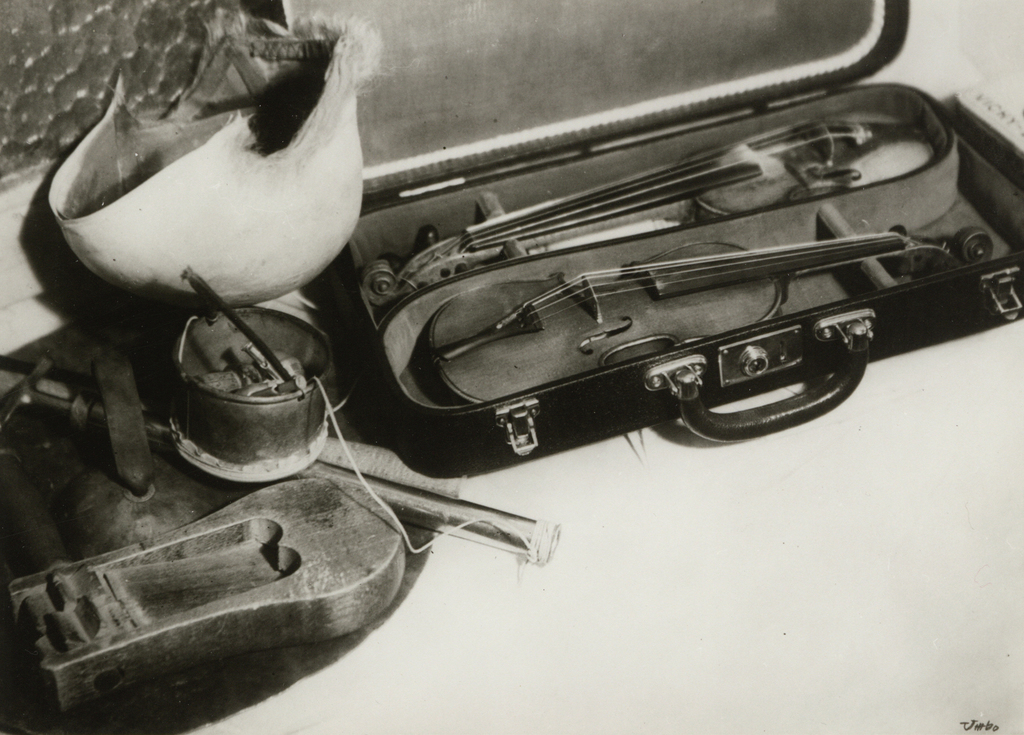
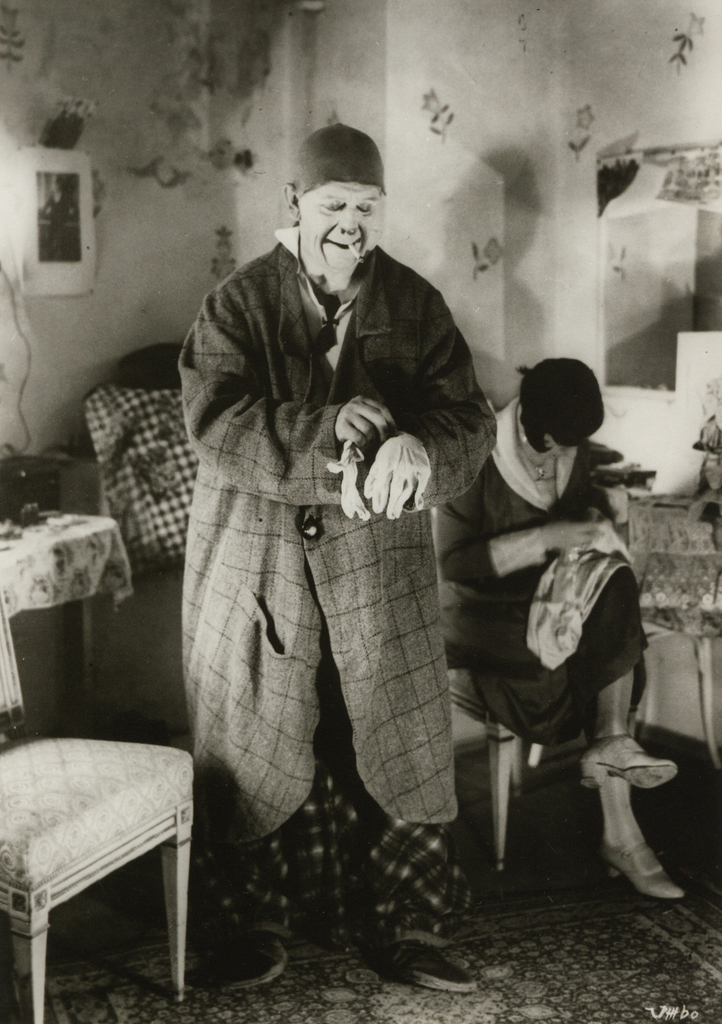
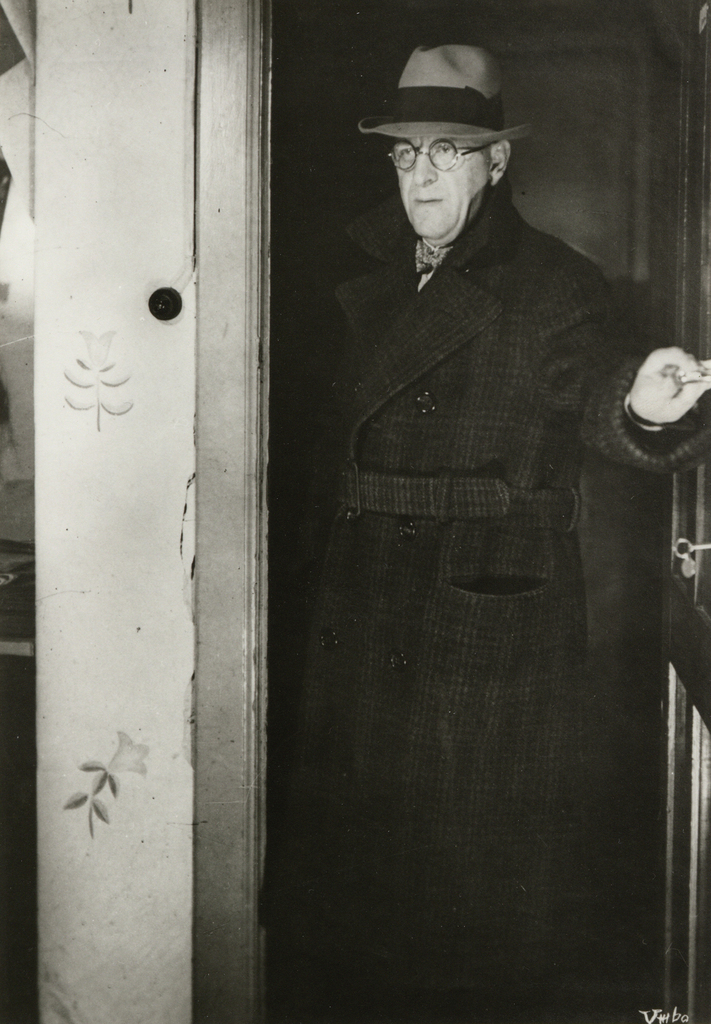
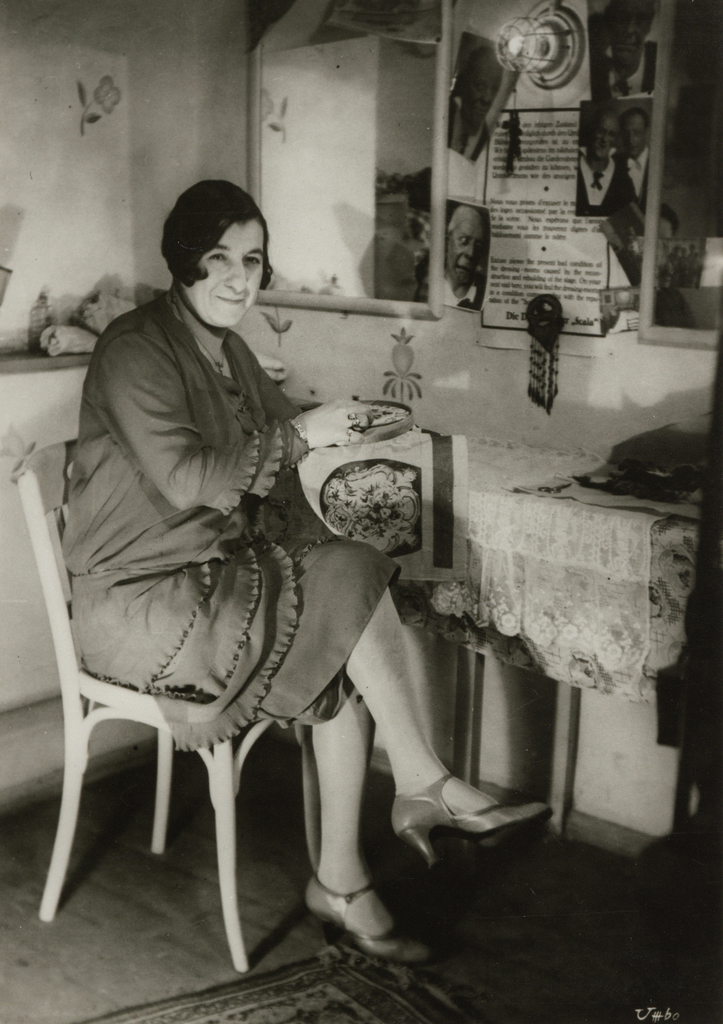
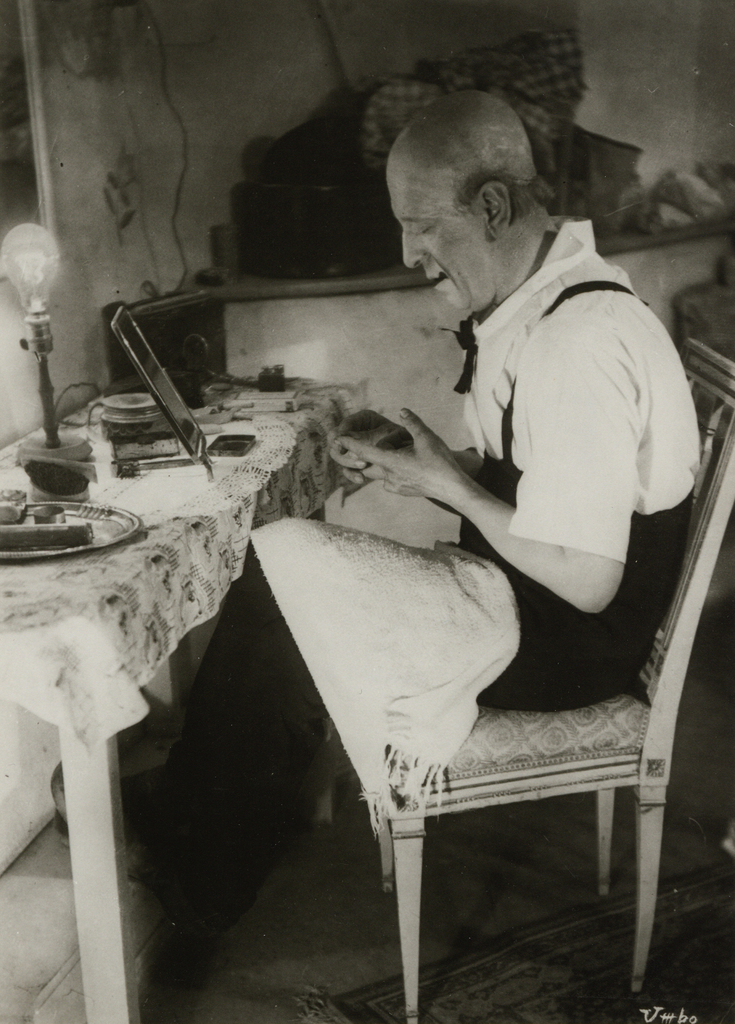
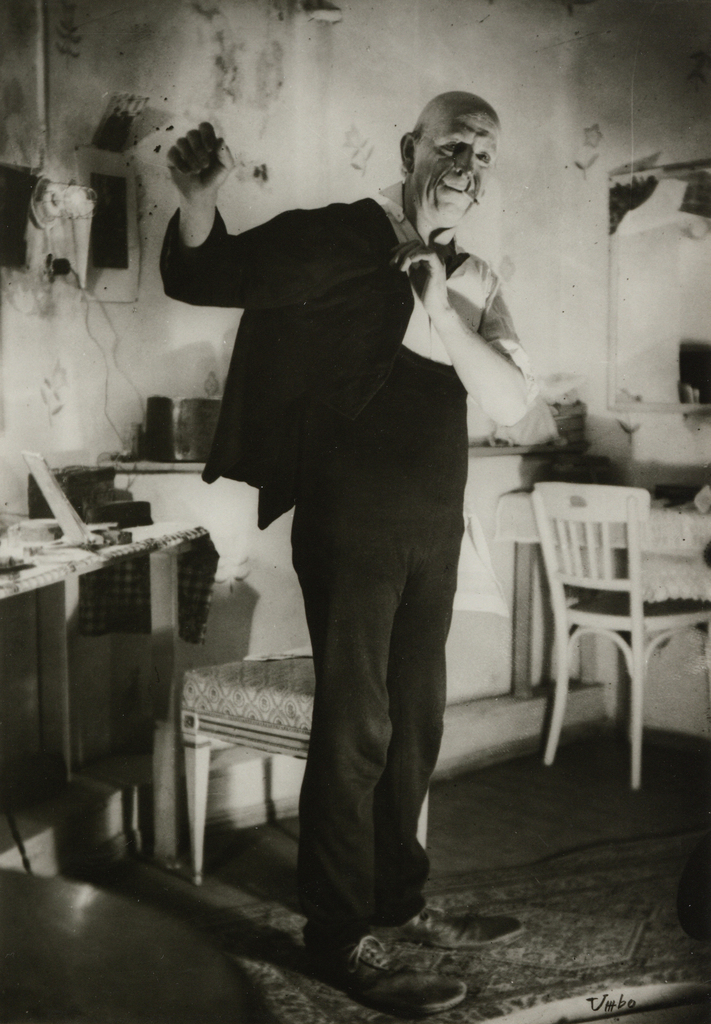
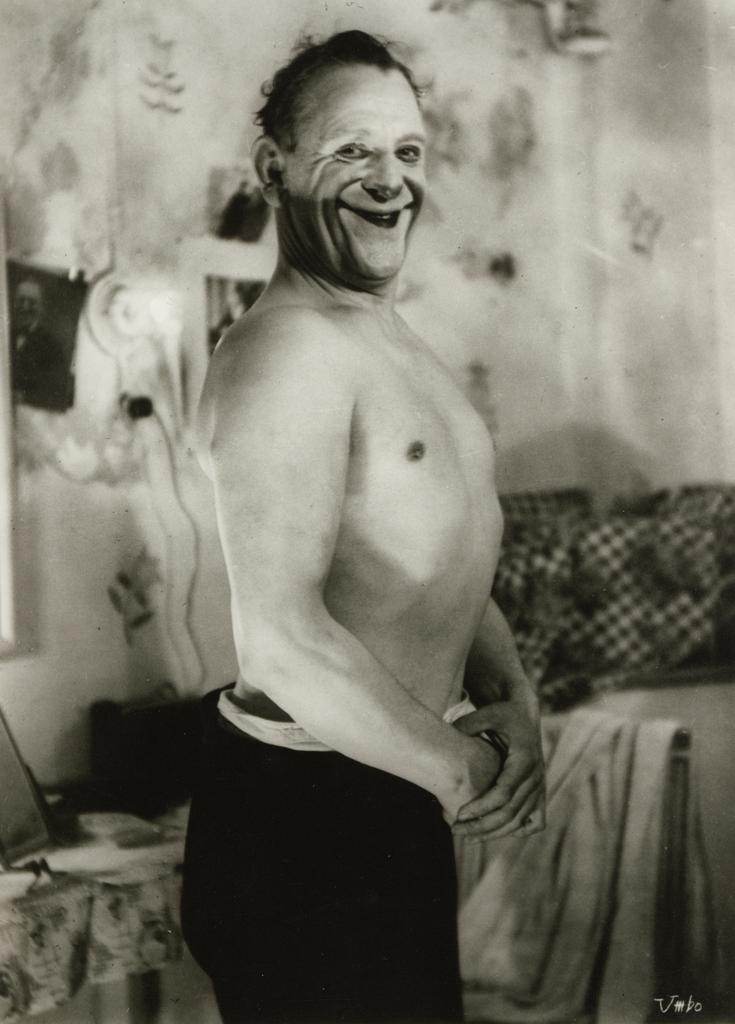
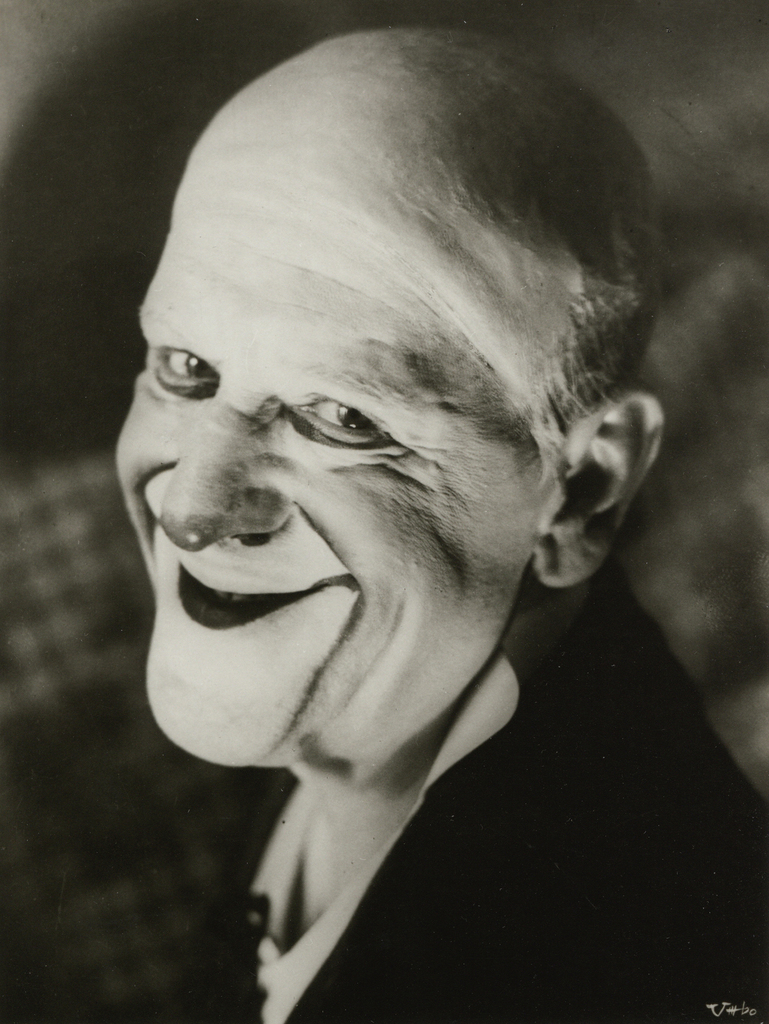
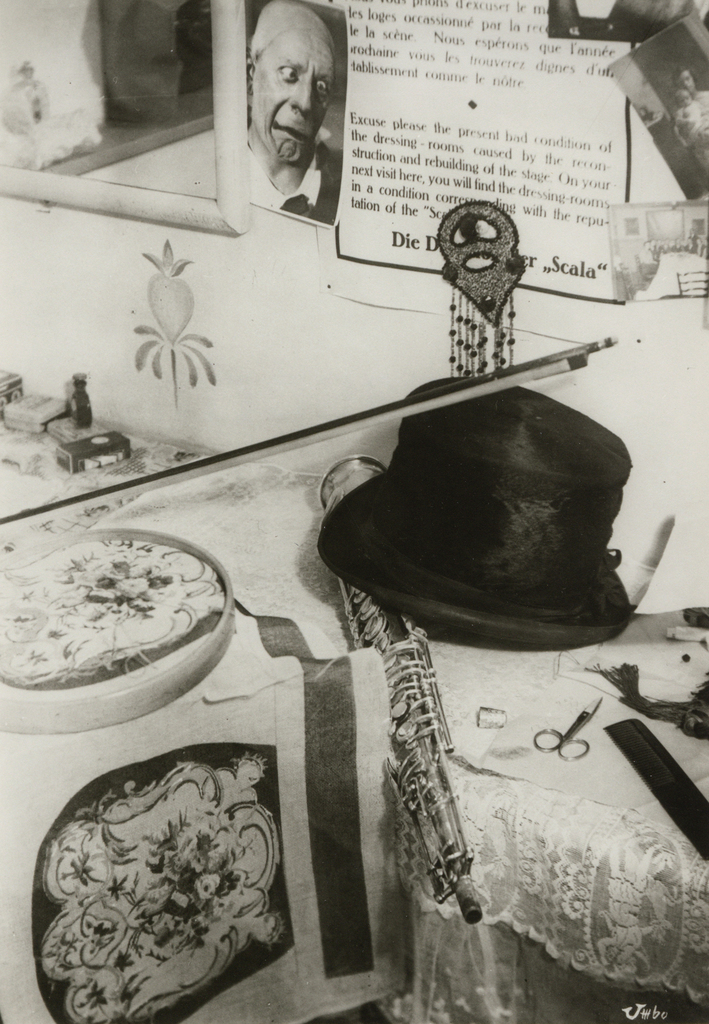
Germany (1902—1980)Born in Düsseldorf, Otto Umbehr moved to Weimar at the age of nineteen to study at the Bauhaus, where he attended Johannes Itten’s preliminary course. After being expelled by Walter Gropius in 1923, he moved to Berlin, where he initially struggled to establish himself before turning to photography in 1926, encouraged by his friend and former Bauhaus fellow student Paul Citroen, who gave him his first camera. Their experiments with portrait photography helped Umbo develop his own distinctive approach, and within two years he had become one of the leading photographers of the Deutscher Fotodienst (Dephot), gaining recognition as a pioneer of modern photojournalism. He also taught photography at Johannes Itten’s Moderne Kunstschule in Berlin until 1930. During the years of the Nazi regime, he worked as a photojournalist in Germany and, during the Second World War, as a war correspondent for Signal. In 1943, an air raid on Berlin destroyed his entire archive of between 50,000 and 60,000 negatives and photographs, effectively erasing most of his life’s work. After the war, he resumed his career in Hanover, photographing returning soldiers and everyday life for Der Spiegel and other publications, but without regaining his former success. By the mid-1950s, he had abandoned photography as a creative pursuit.