Anita Malfatti
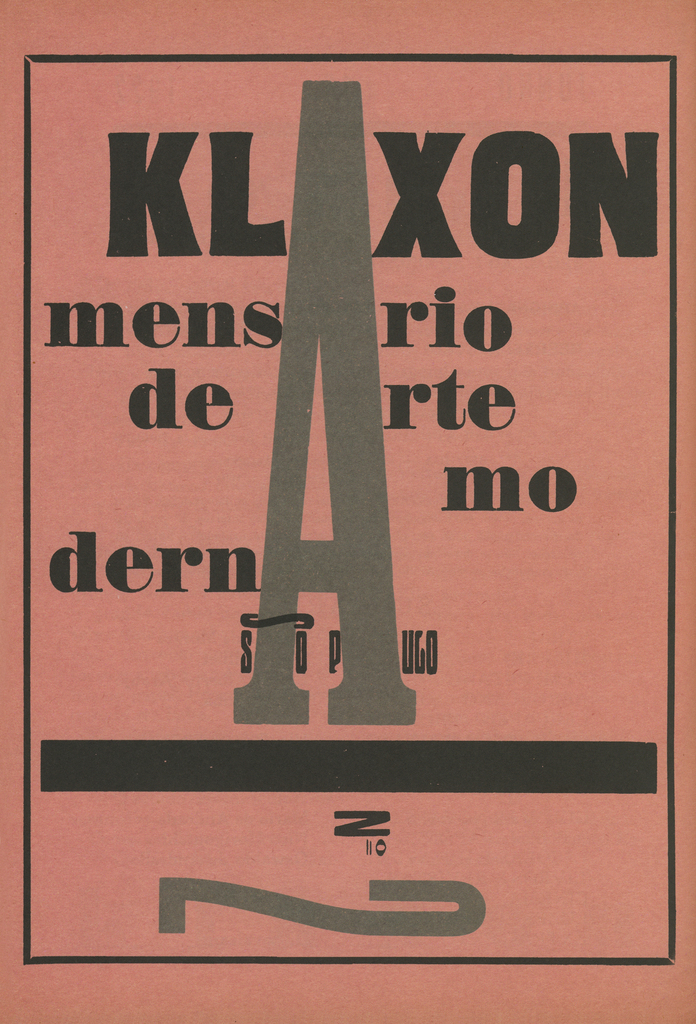
Brazil (1889—1964)Despite a congenital condition affecting her right arm and hand, Malfatti was encouraged by her mother from an early age to pursue her artistic vocation. After studying in Berlin and Paris, she moved to New York in 1915, where, encouraged by Homer Boss, she attended the Independent School of Art. On her return to Brazil, she exhibited works ranging from prints and drawings to painting and sculpture, combining elements of Cubism, Expressionism and Futurism in a style that provoked strong reactions within the Brazilian art community. She became involved with artists such as Di Cavalcanti, Oswald de Andrade and Mário de Andrade, contributing to Klaxon, the modern art publication he edited. Following her five-year scholarship in Paris, she reached the height of her success, and during the 1930s her work was exhibited extensively throughout South America.