Lajos Kassák
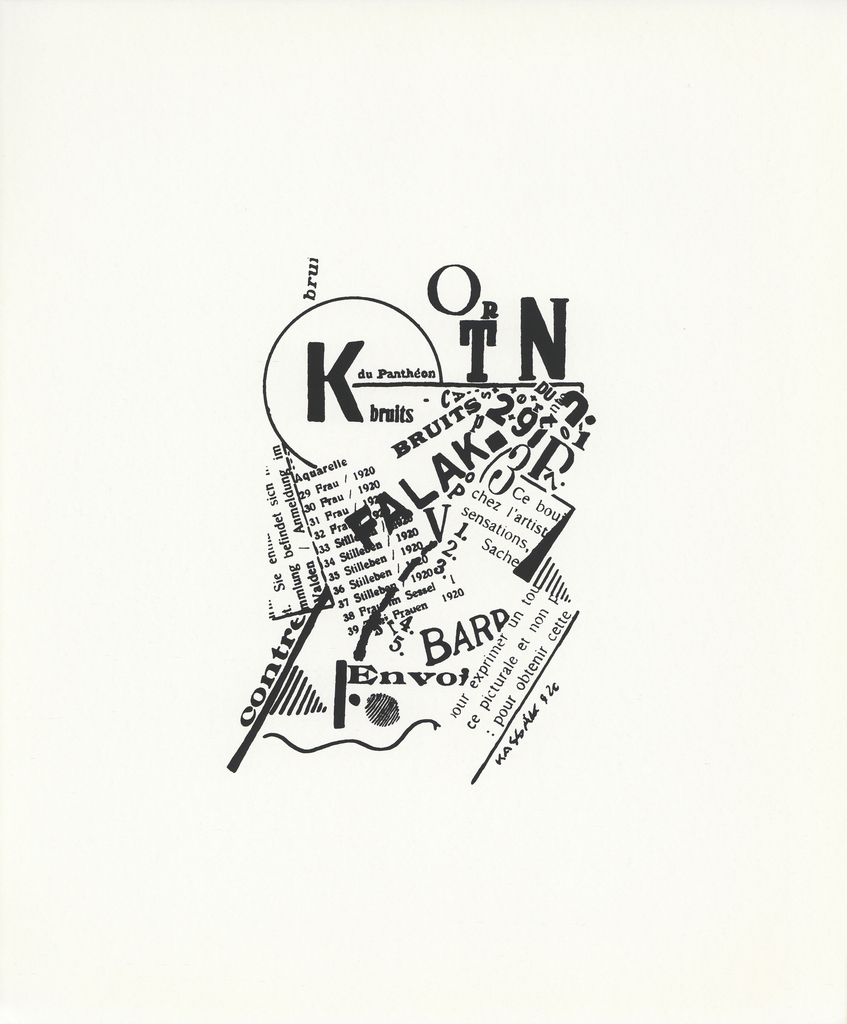
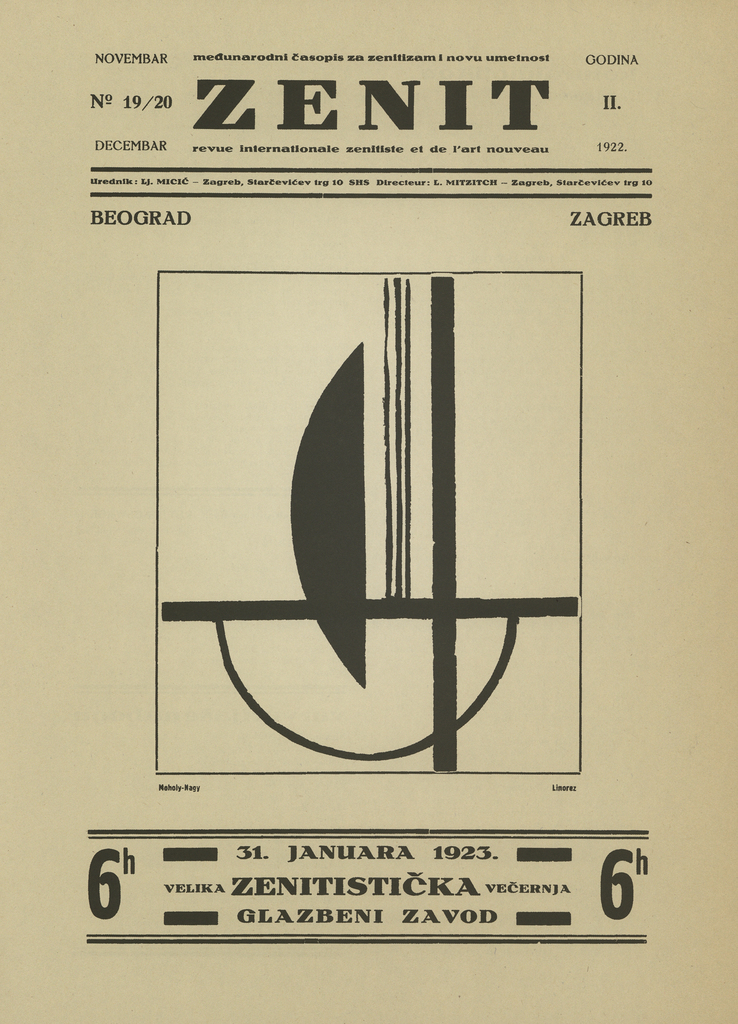
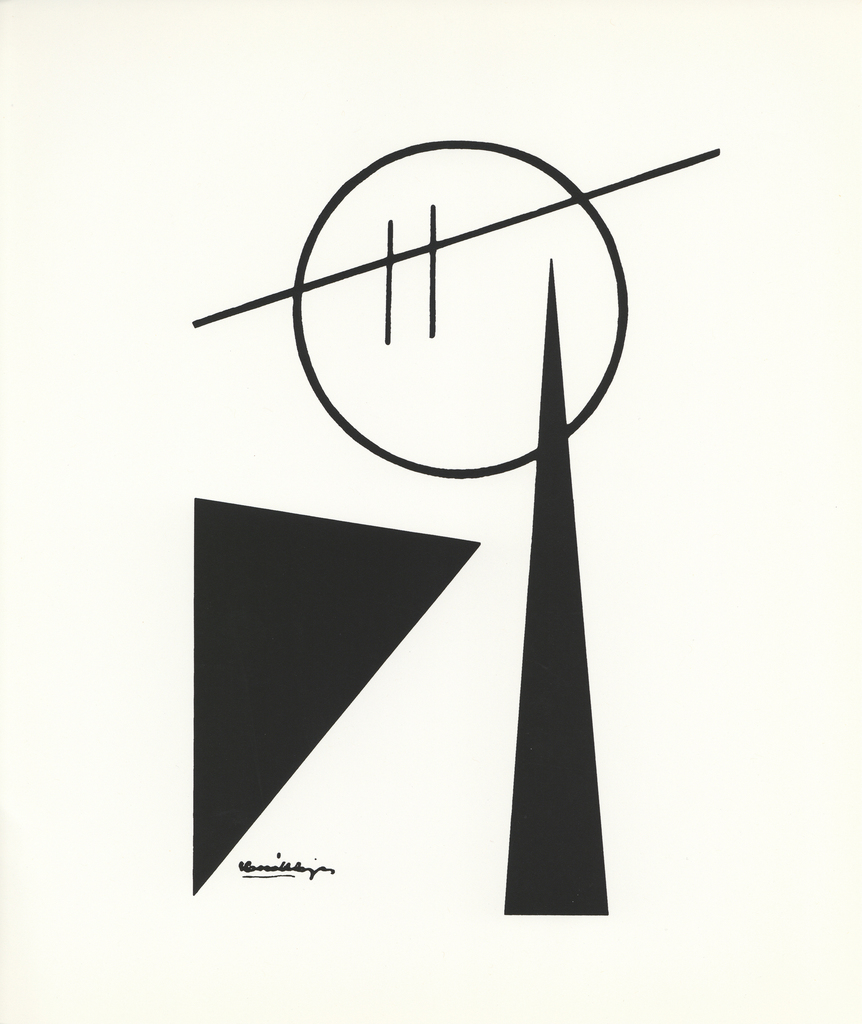
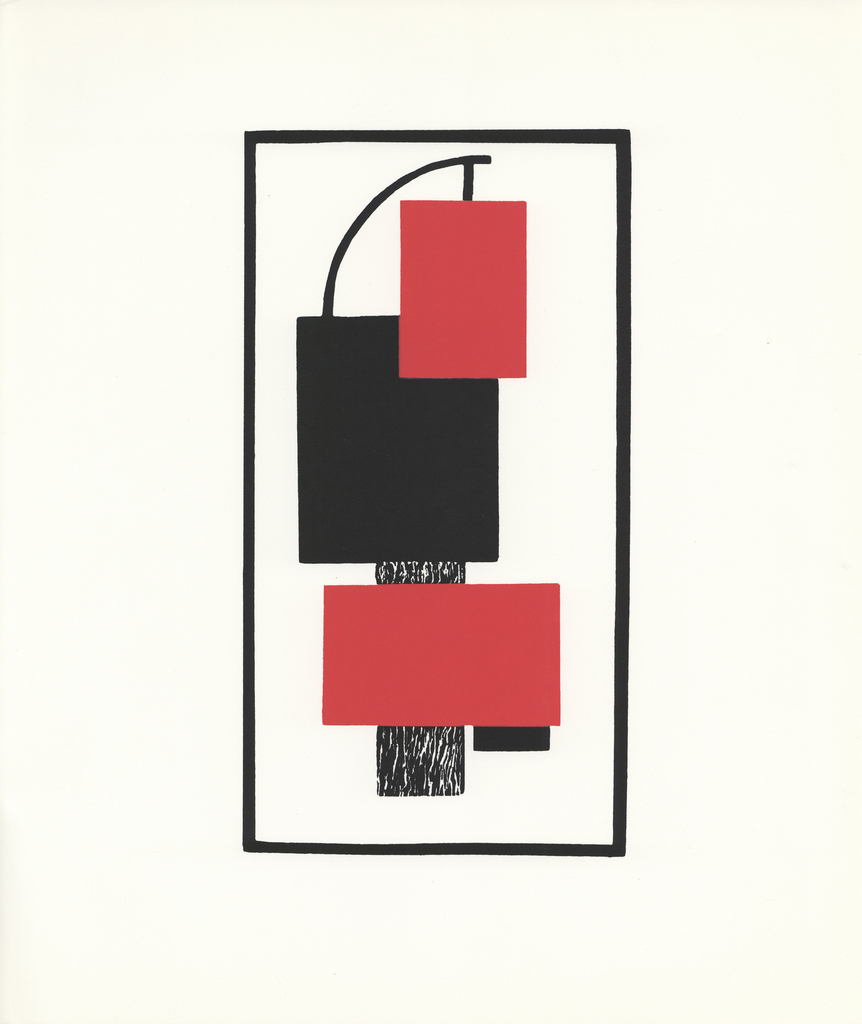
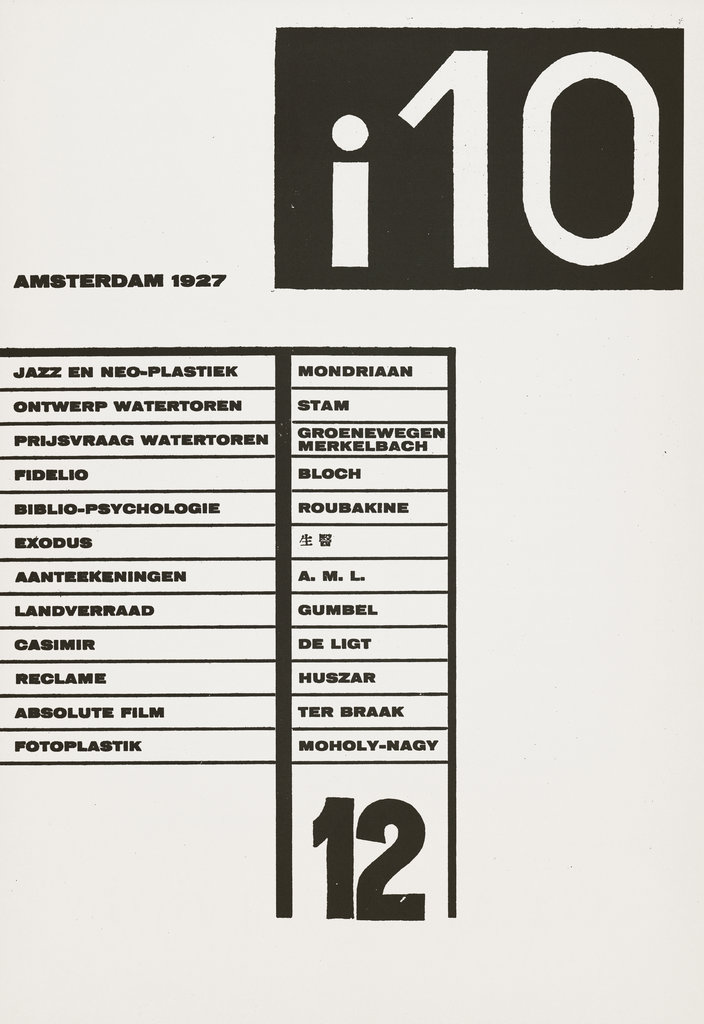
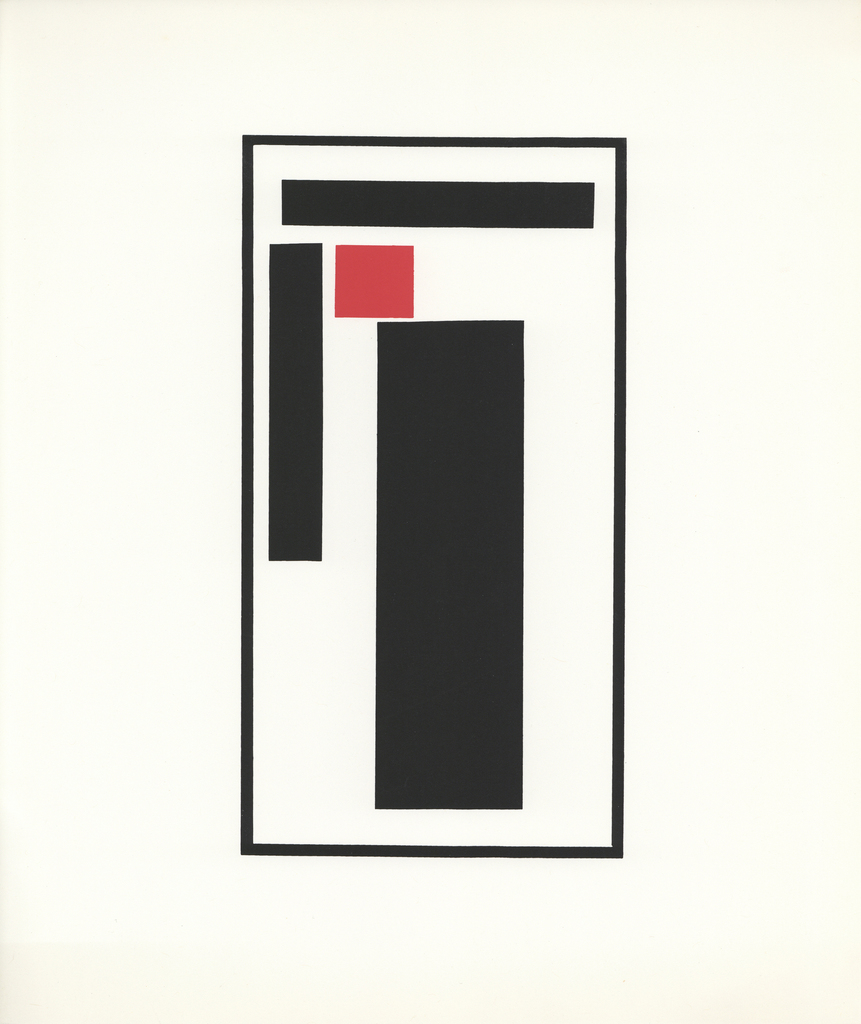
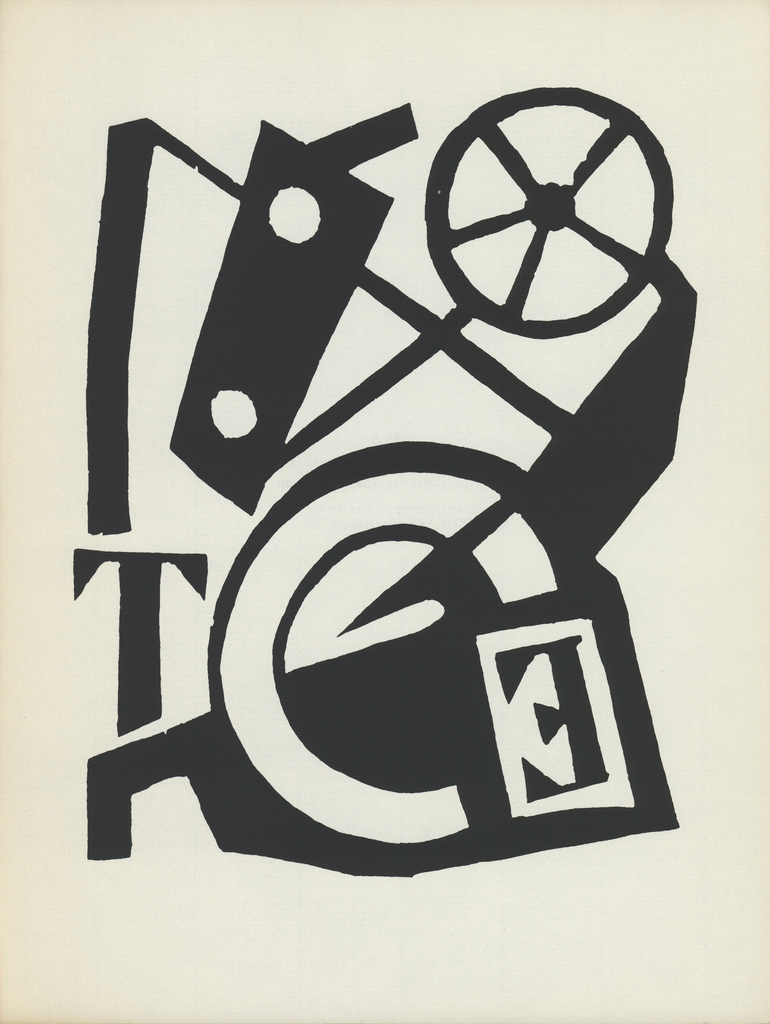
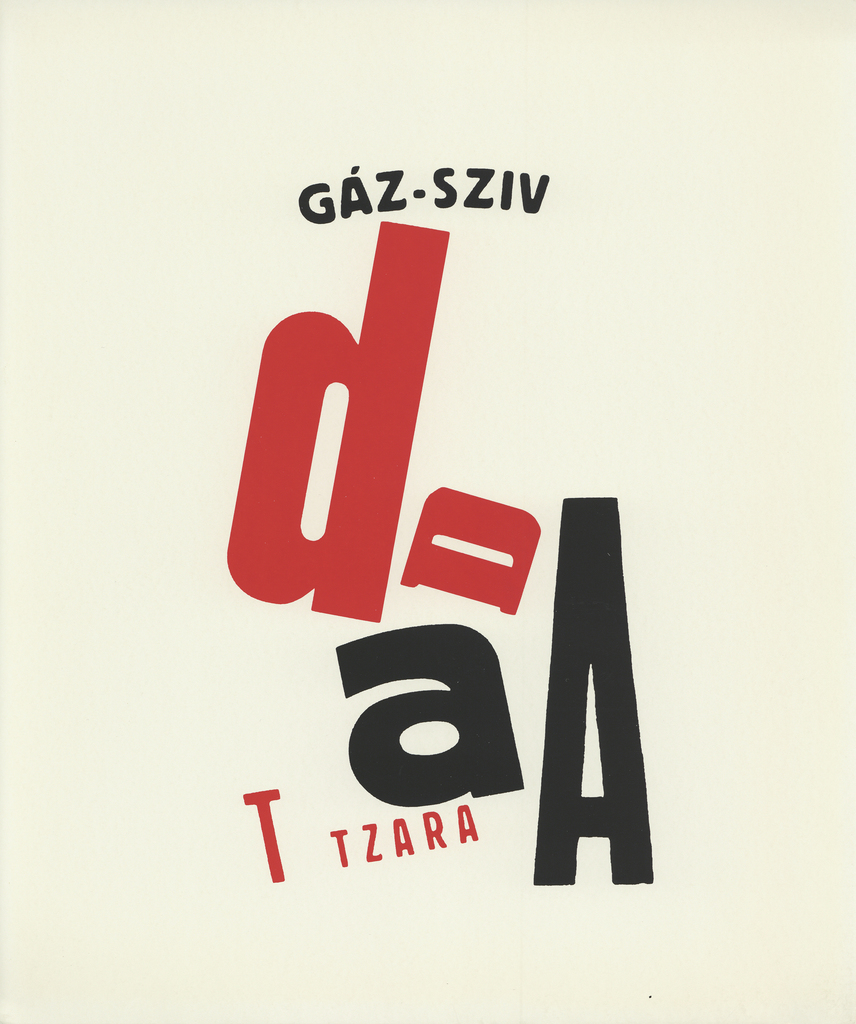
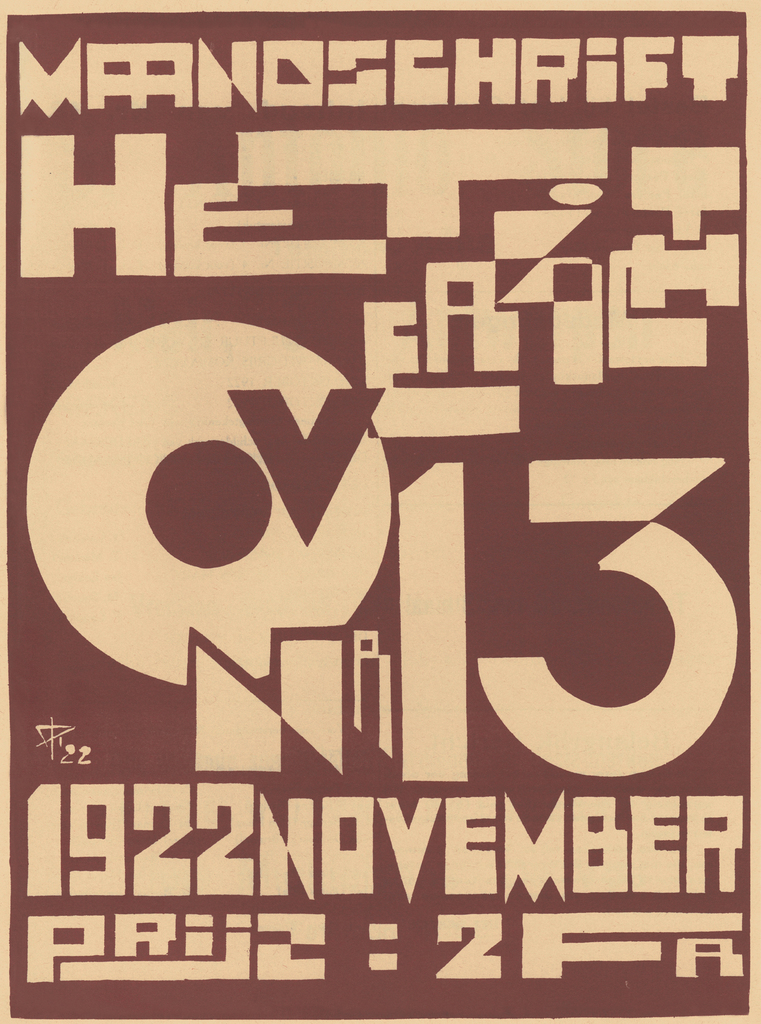
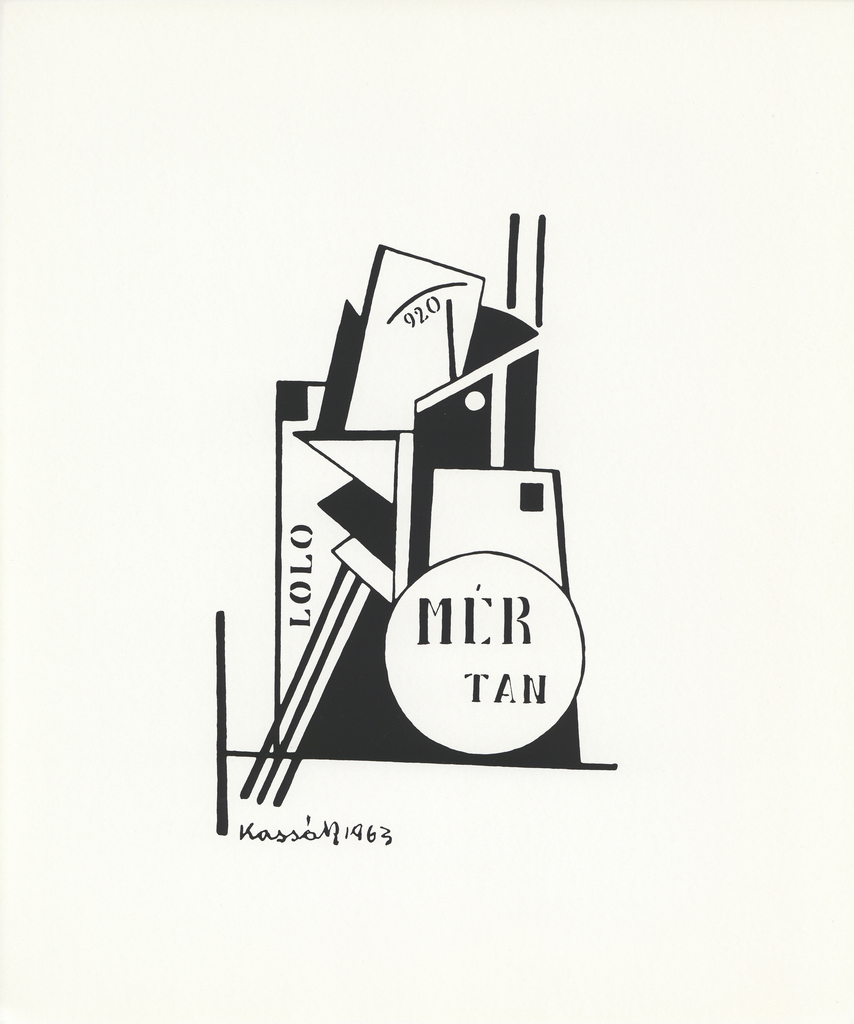
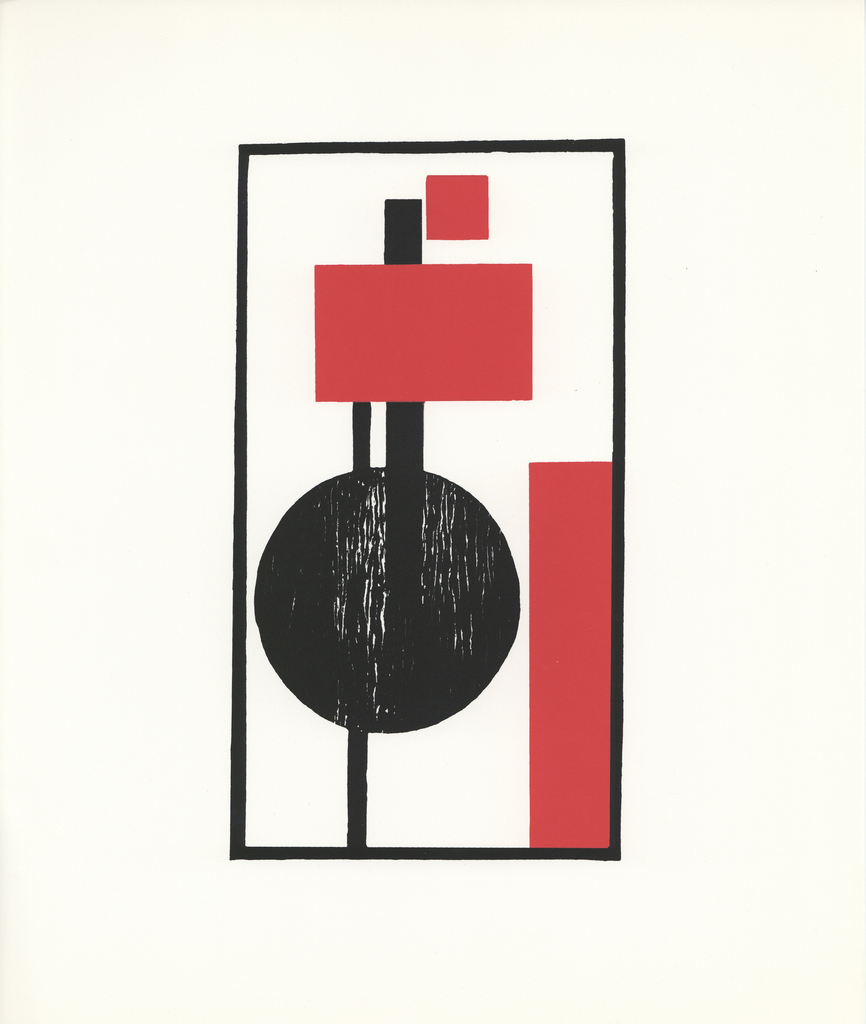
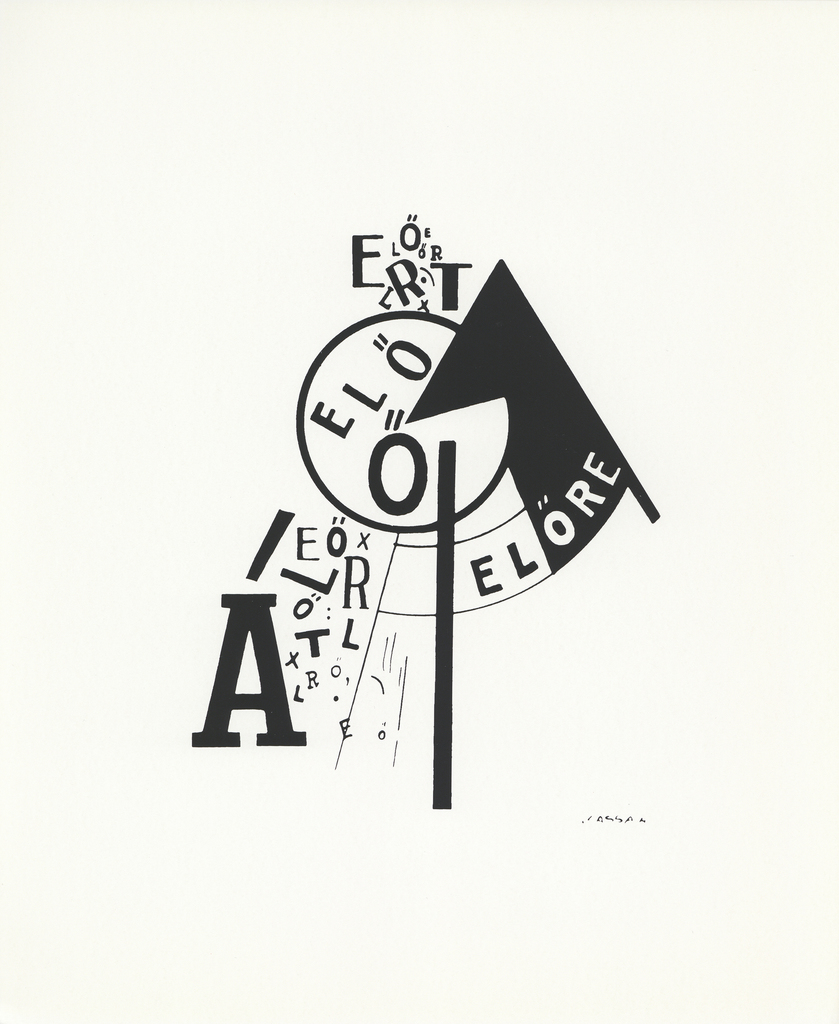
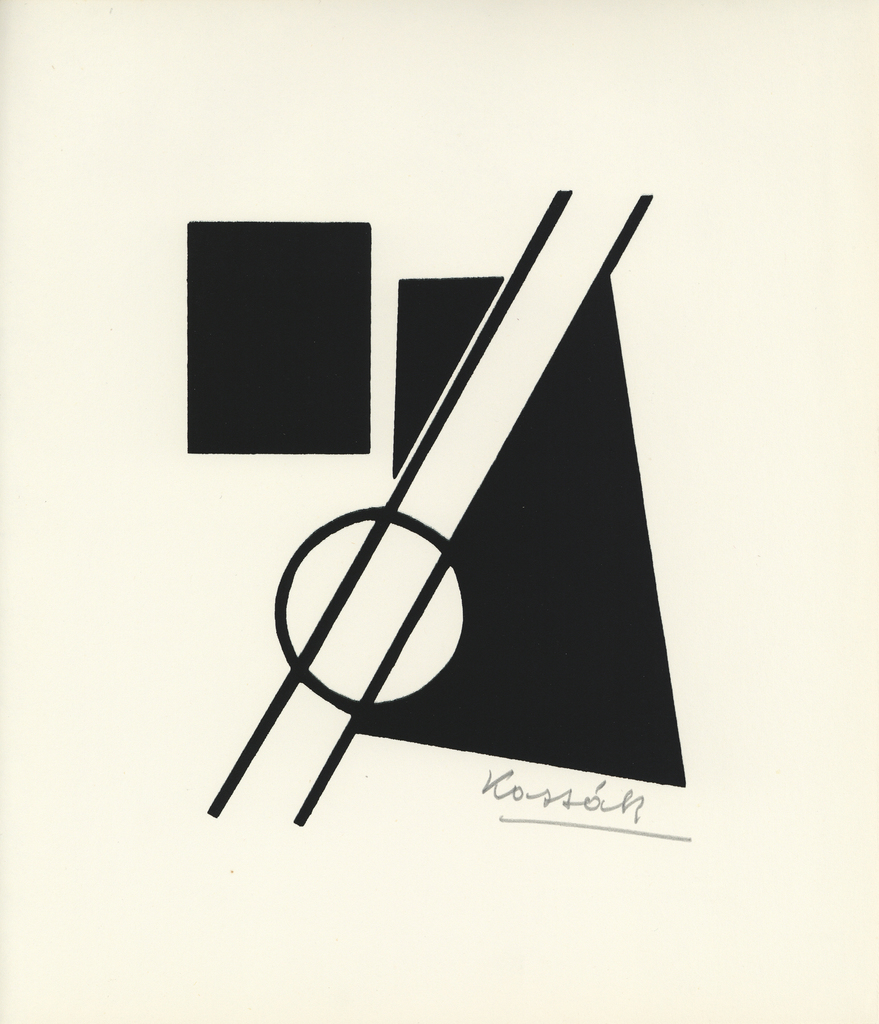
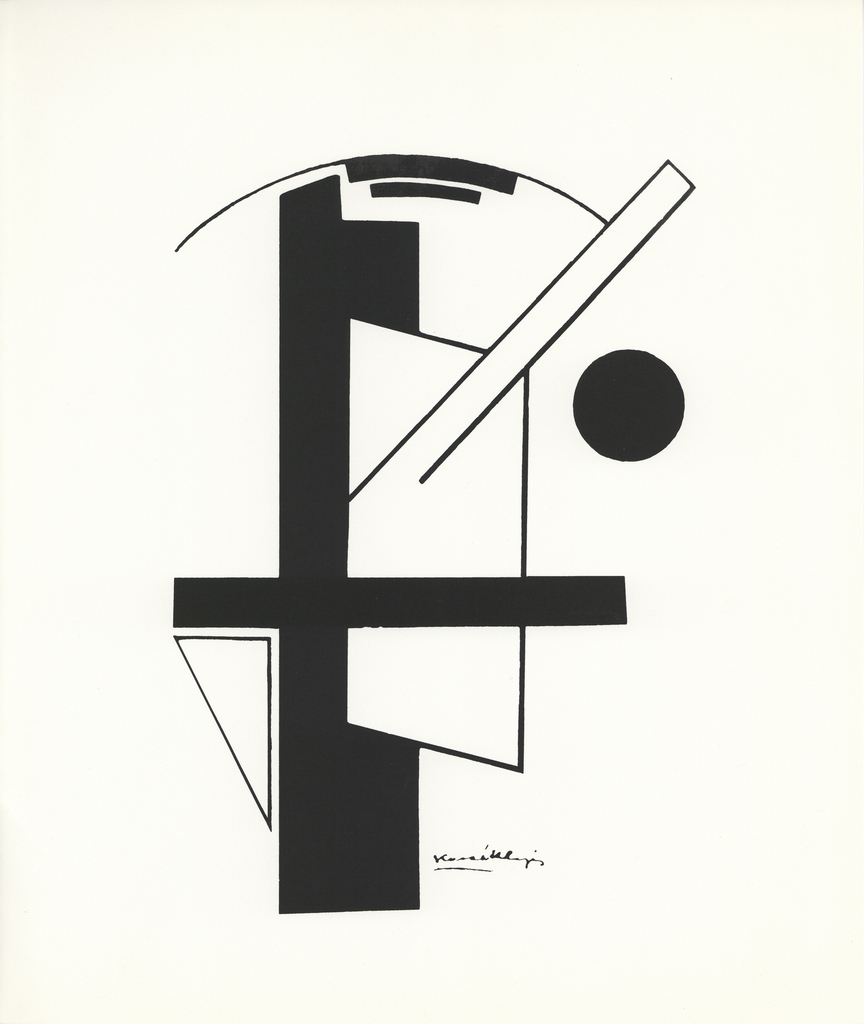
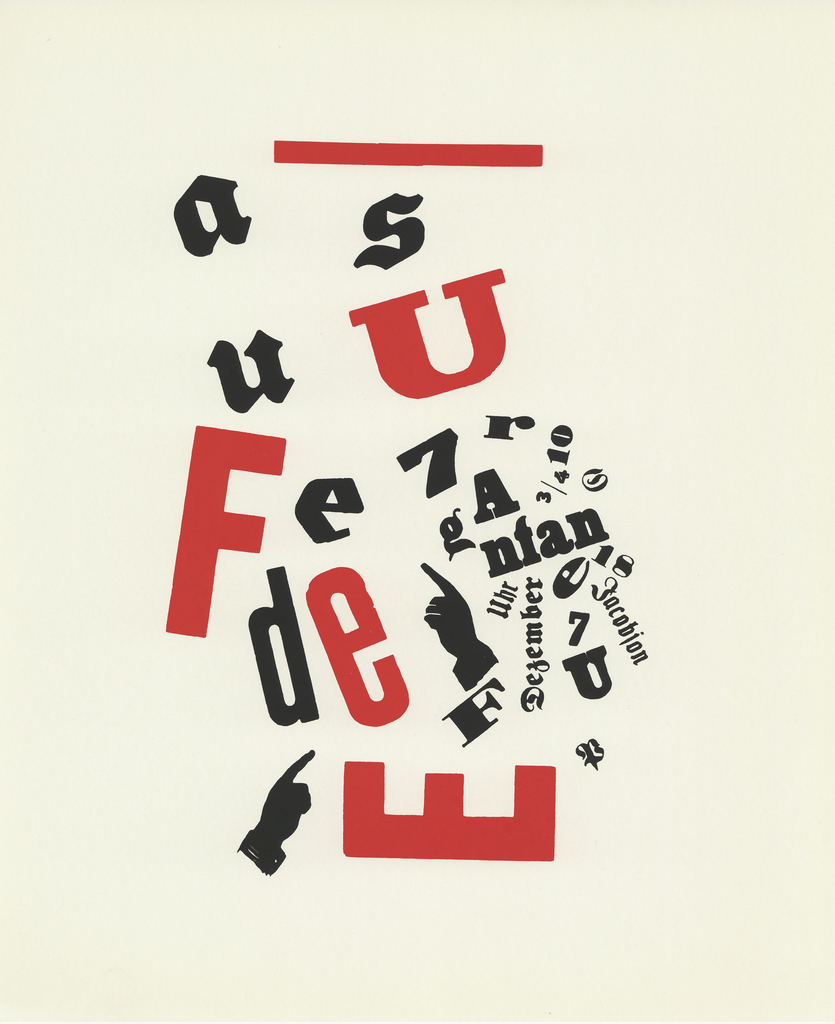
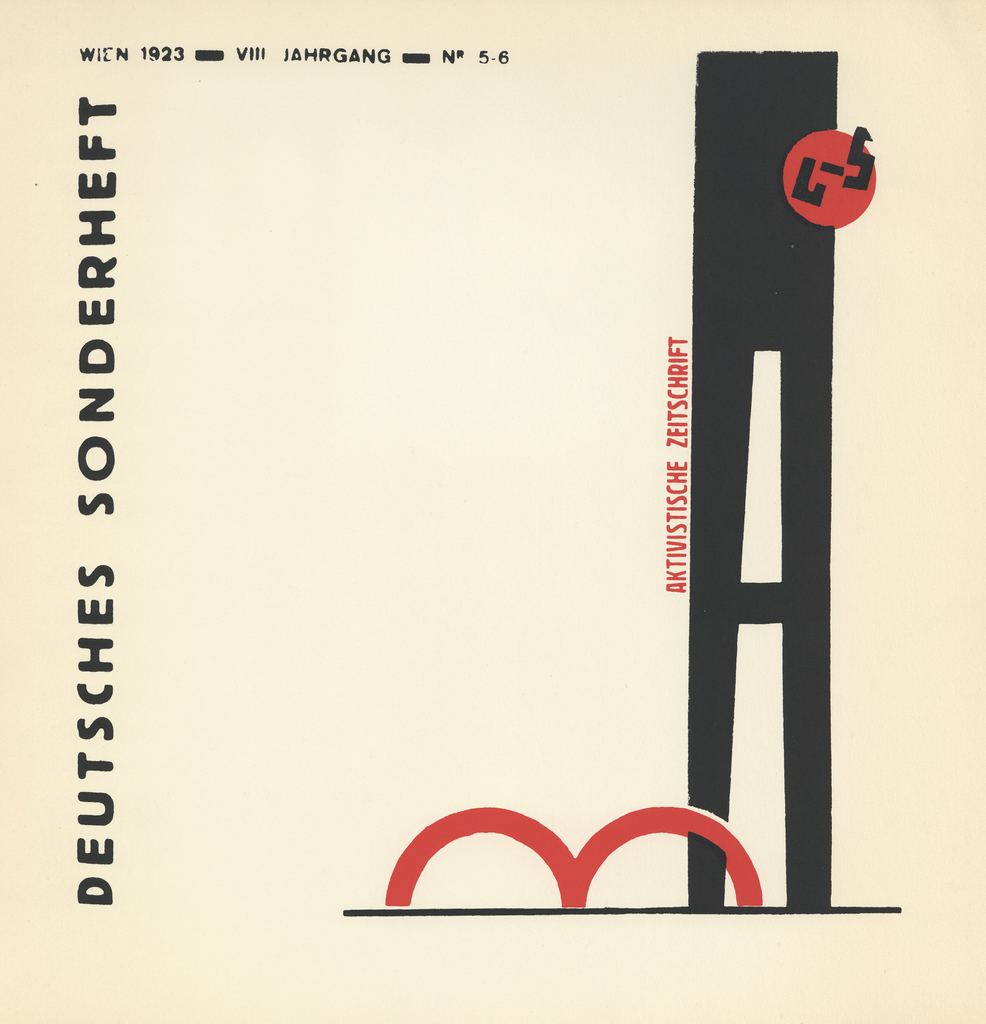
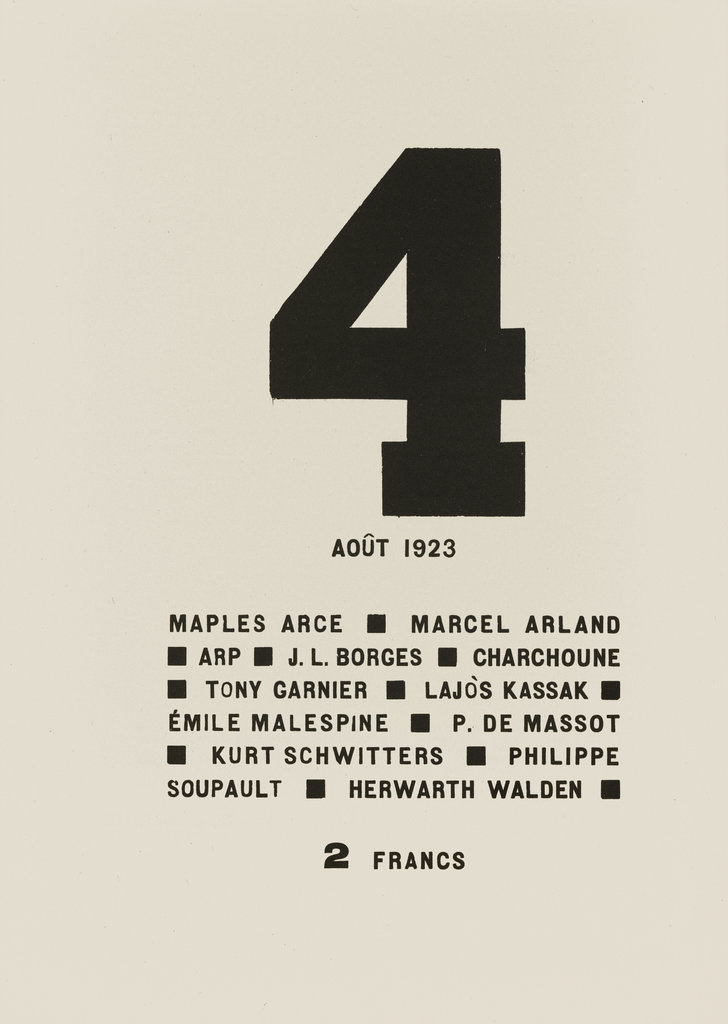
Hungary (1887—1967)Born in Érsekújvár, in present-day Slovakia, Lajos Kassák trained as a locksmith and became involved in the labour movement while working in Budapest. In 1909 he set out on foot for Paris, travelling through Europe and encountering avant-garde art. In 1915 he published his first collection of poetry, Éposz Wagner maszkjában, and founded the journal A Tett, which was banned in 1916 for its anti-war stance. He subsequently launched Ma, a journal that became a major platform for Hungarian avant-garde art and literature. In 1919 he joined the Writers’ Directorate of the Hungarian Soviet Republic but opposed Béla Kun over the autonomy of art. Following the Republic’s collapse, he went into exile in Vienna, where he continued publishing Ma and developed his theory of Képarchitektúra (Image Architecture), influenced by Constructivism. He returned to Hungary in 1926 and edited Dokumentum (1926-1927), followed by Munka (1928-1938), a journal that connected avant-garde culture with workers’ education and social issues. After the Second World War, he held editorial and political positions, including a seat in parliament as a Social Democratic representative. Expelled from the Social Democratic Party in 1953, he was barred from publishing under the communist regime and remained on the margins of cultural life until his work gradually reappeared in public after 1956. He died in Budapest in 1967, recognised as one of the central figures of the Hungarian avant-garde.