Raghu Rai
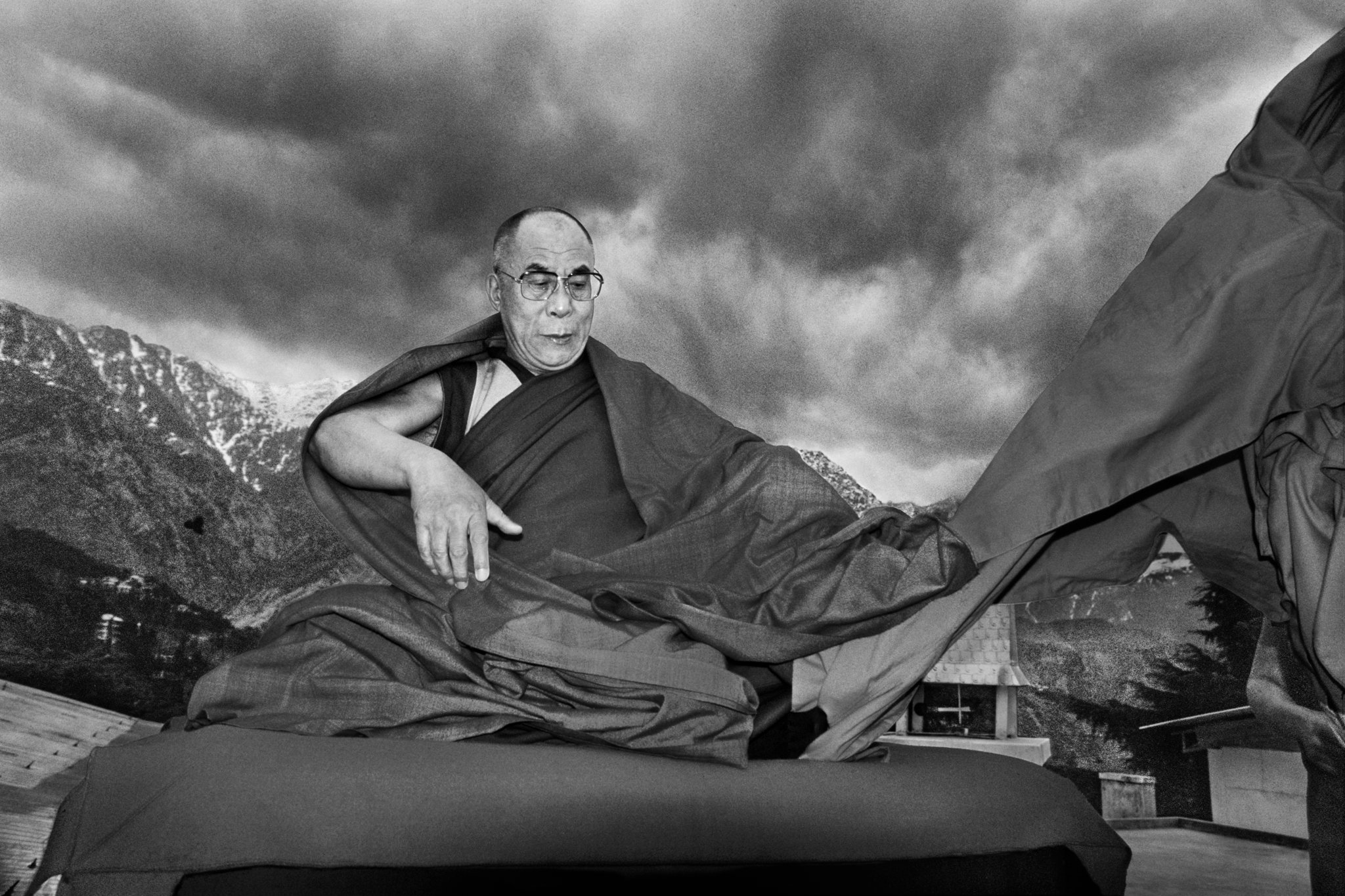
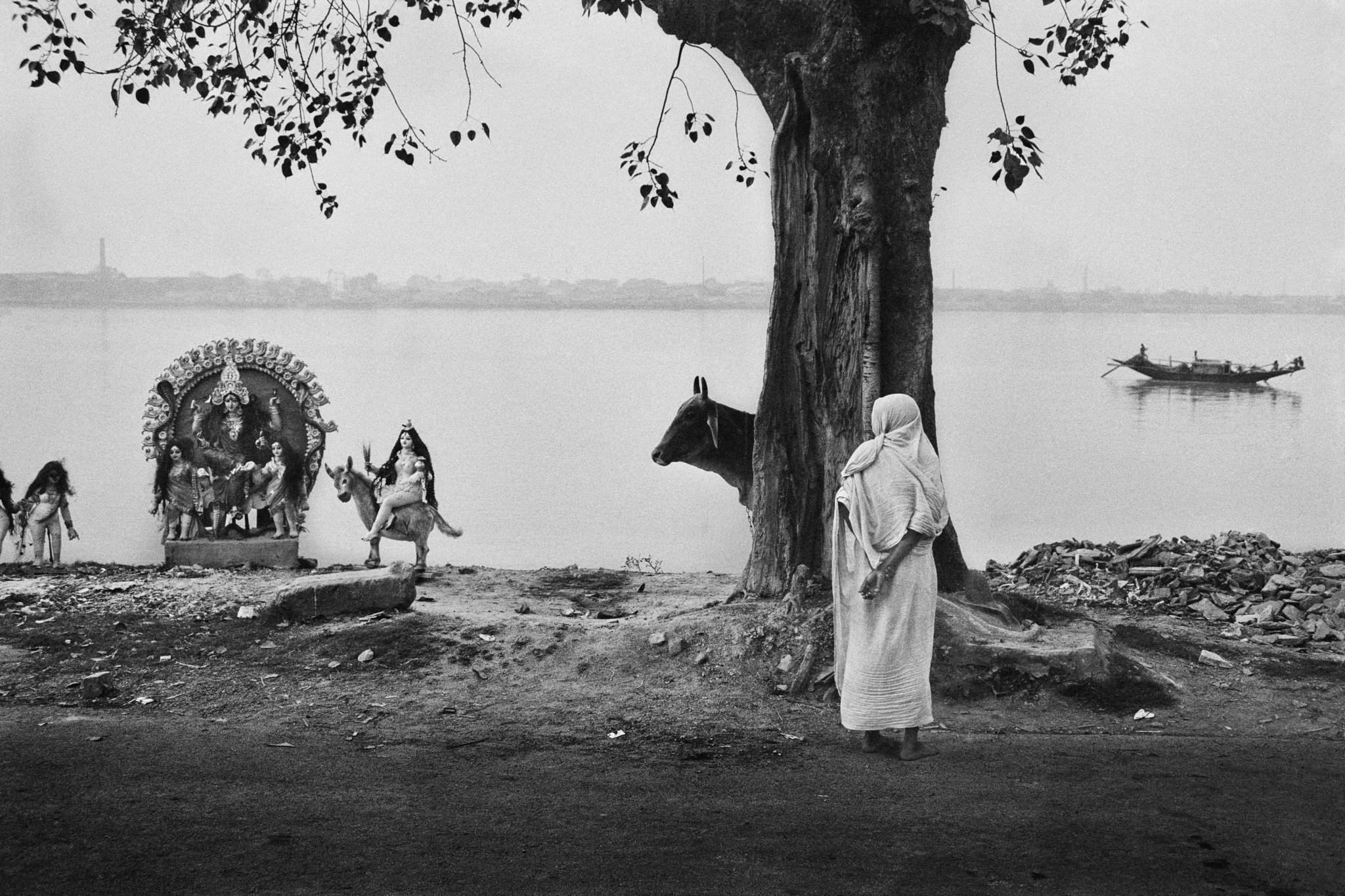
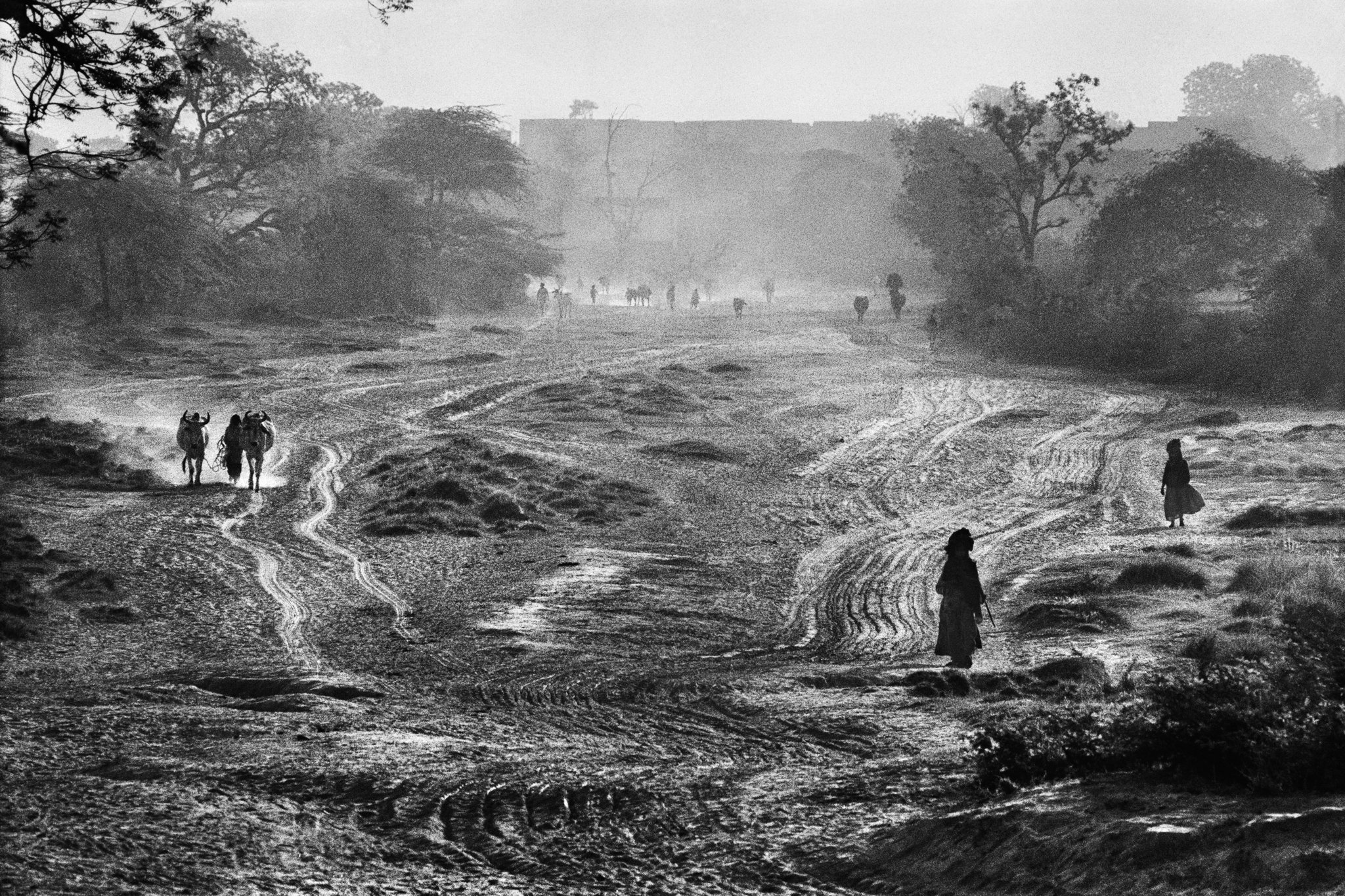
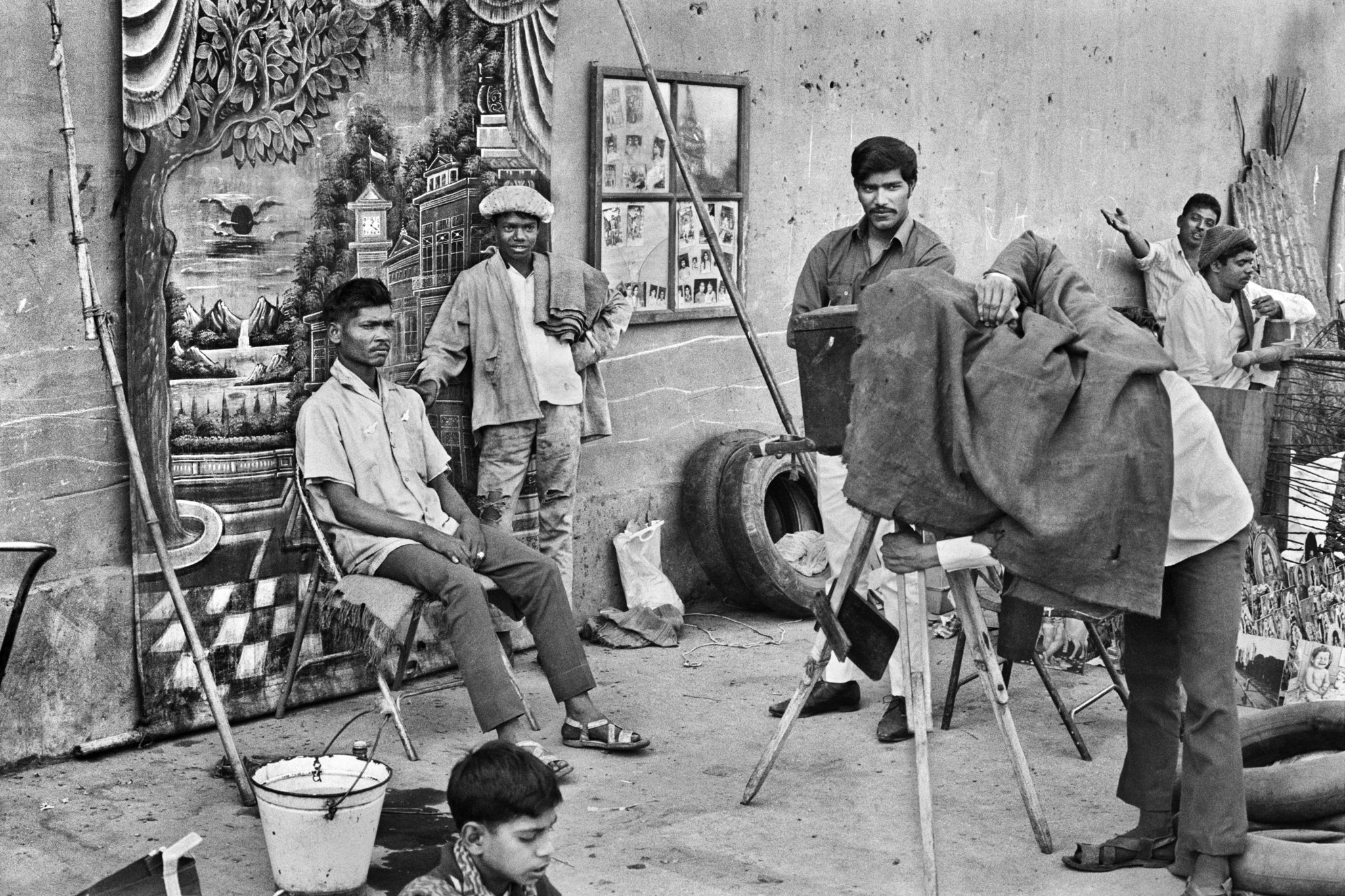
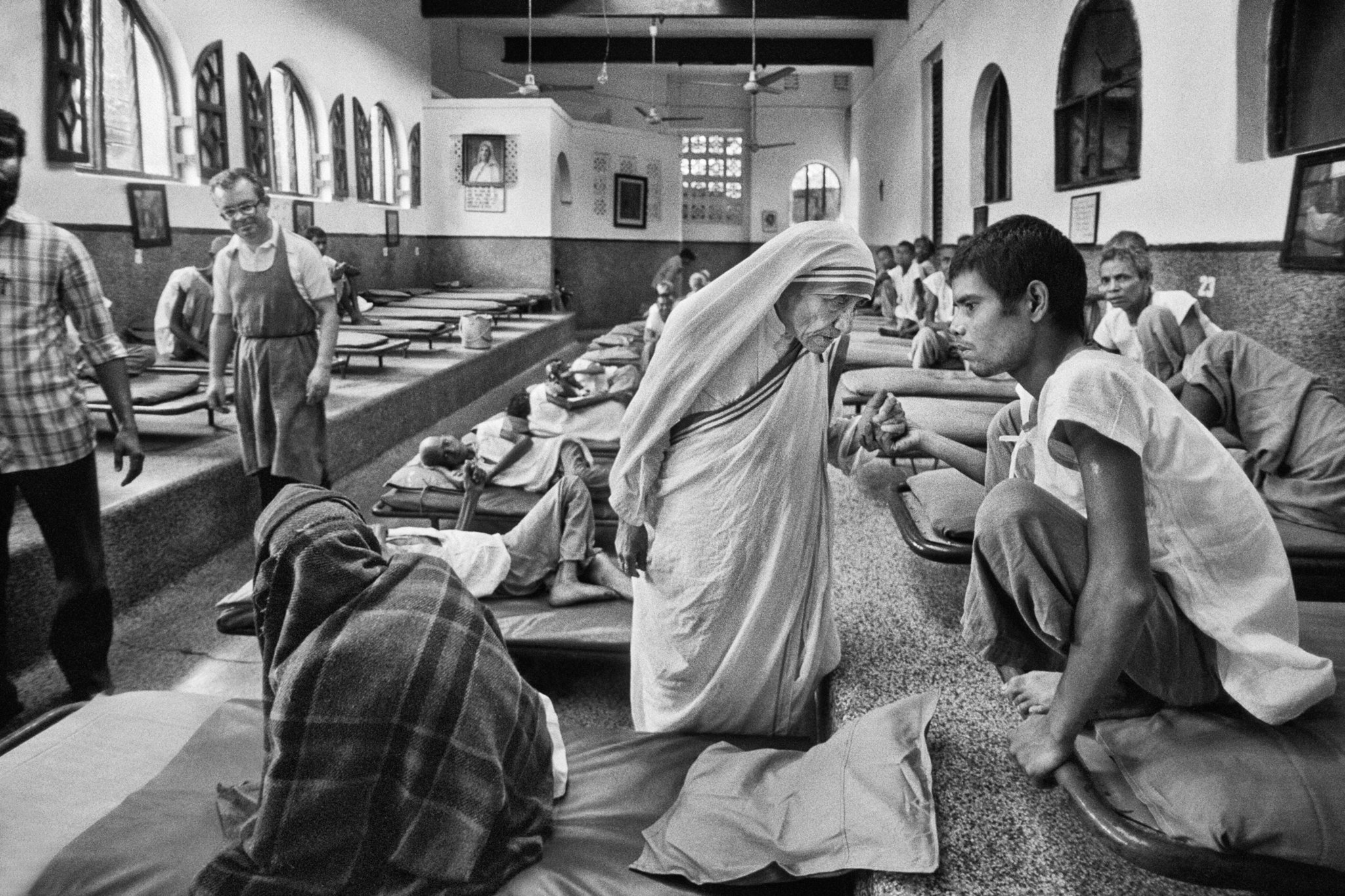
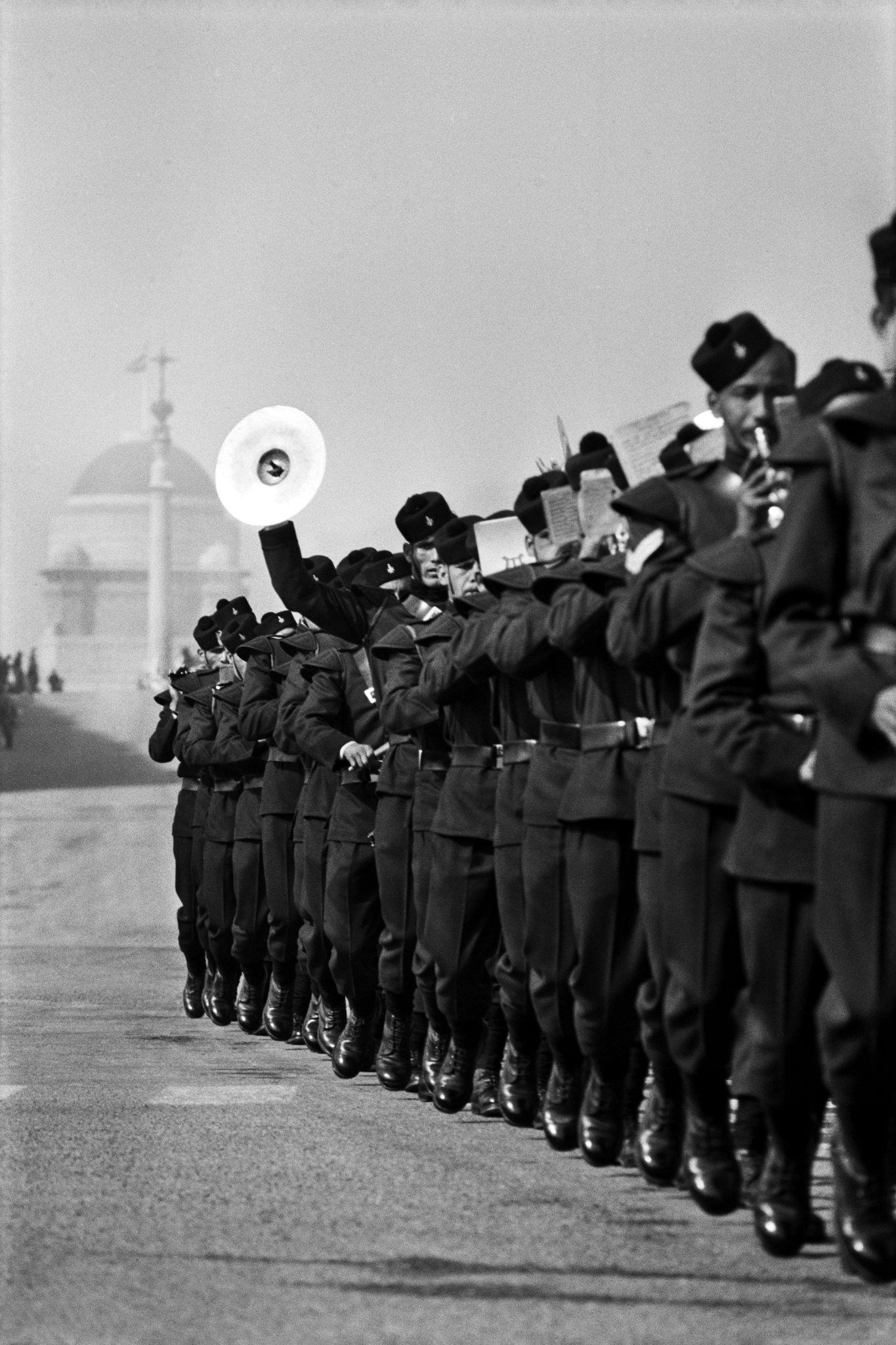
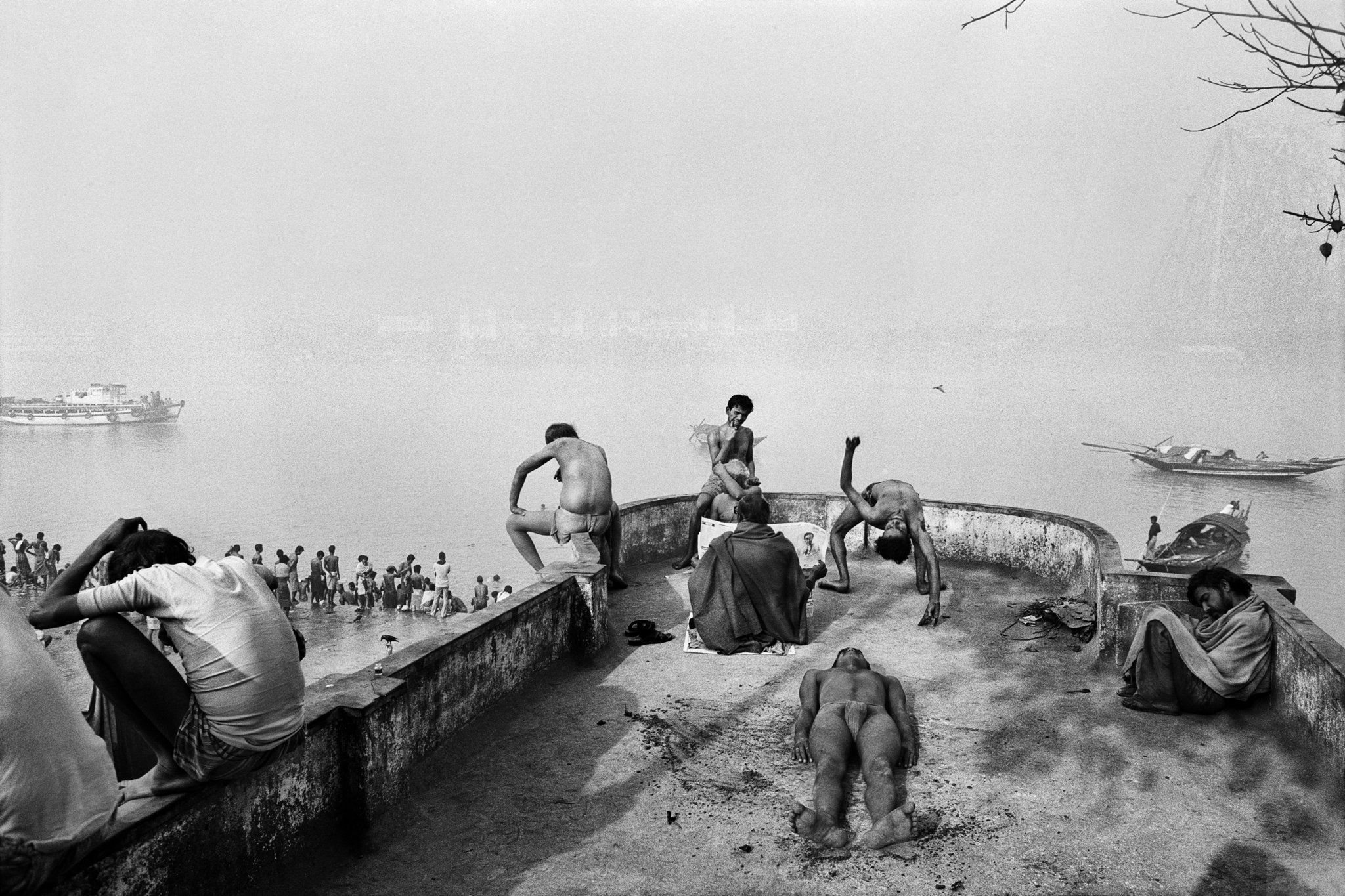
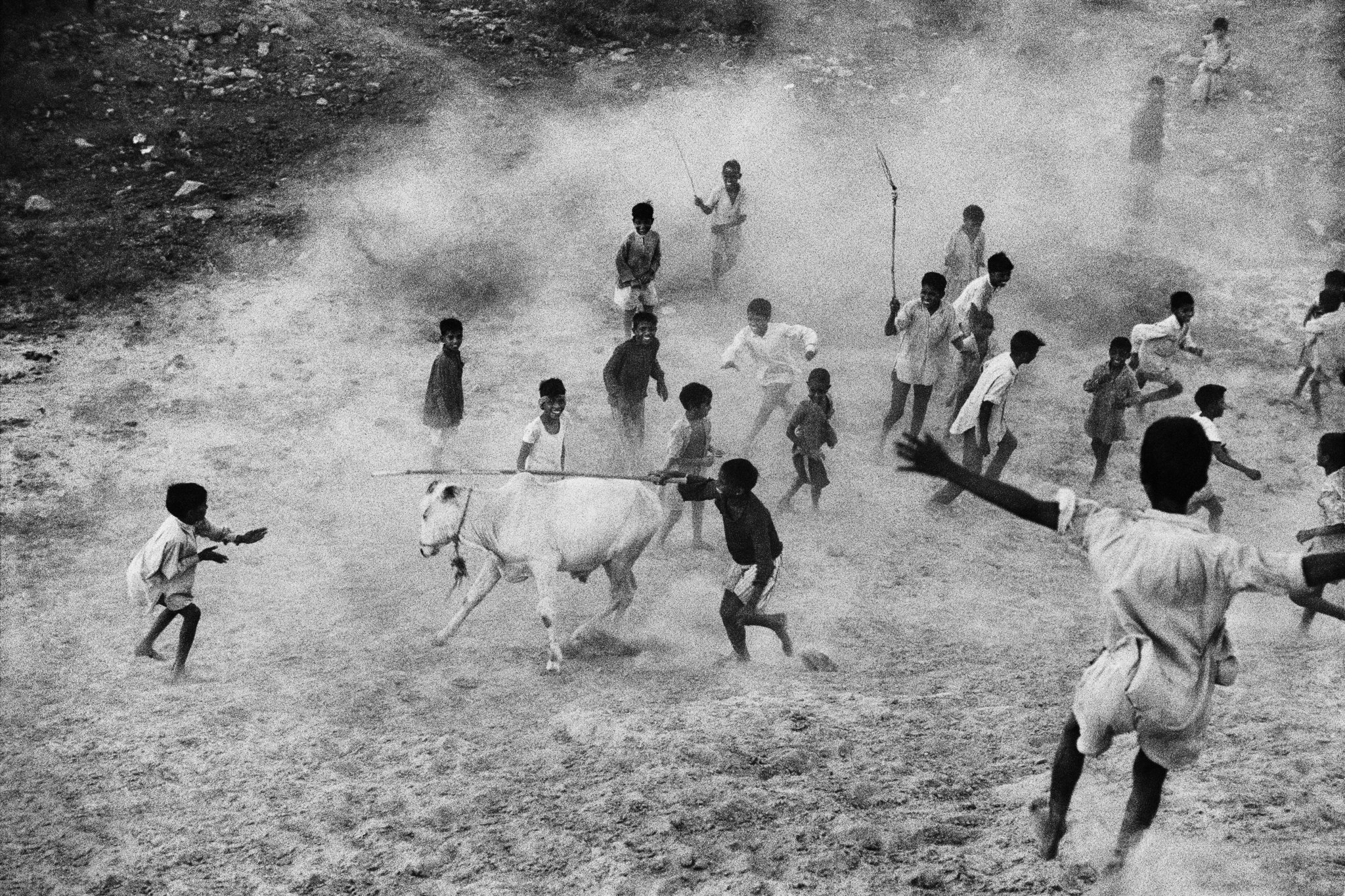
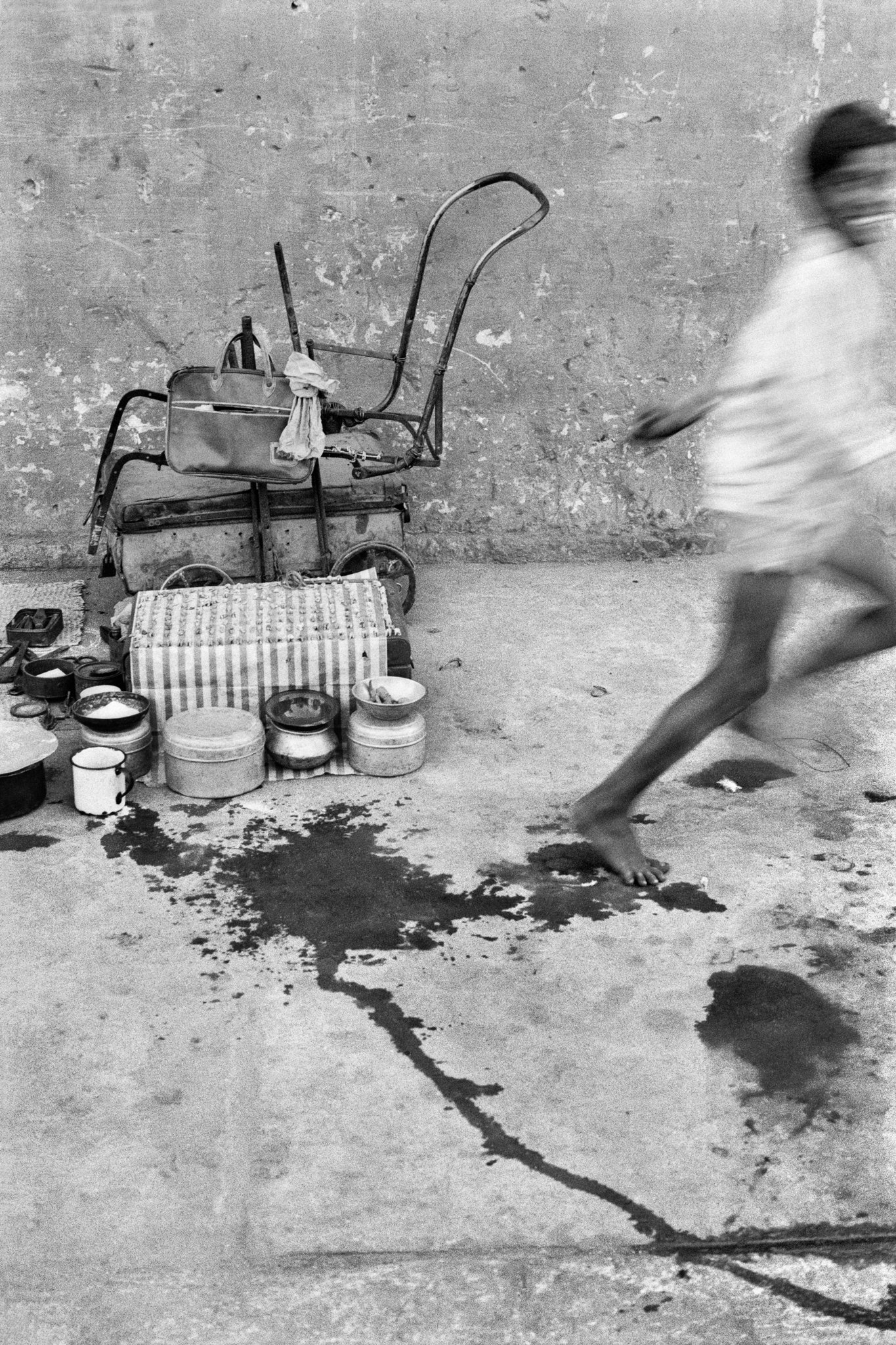
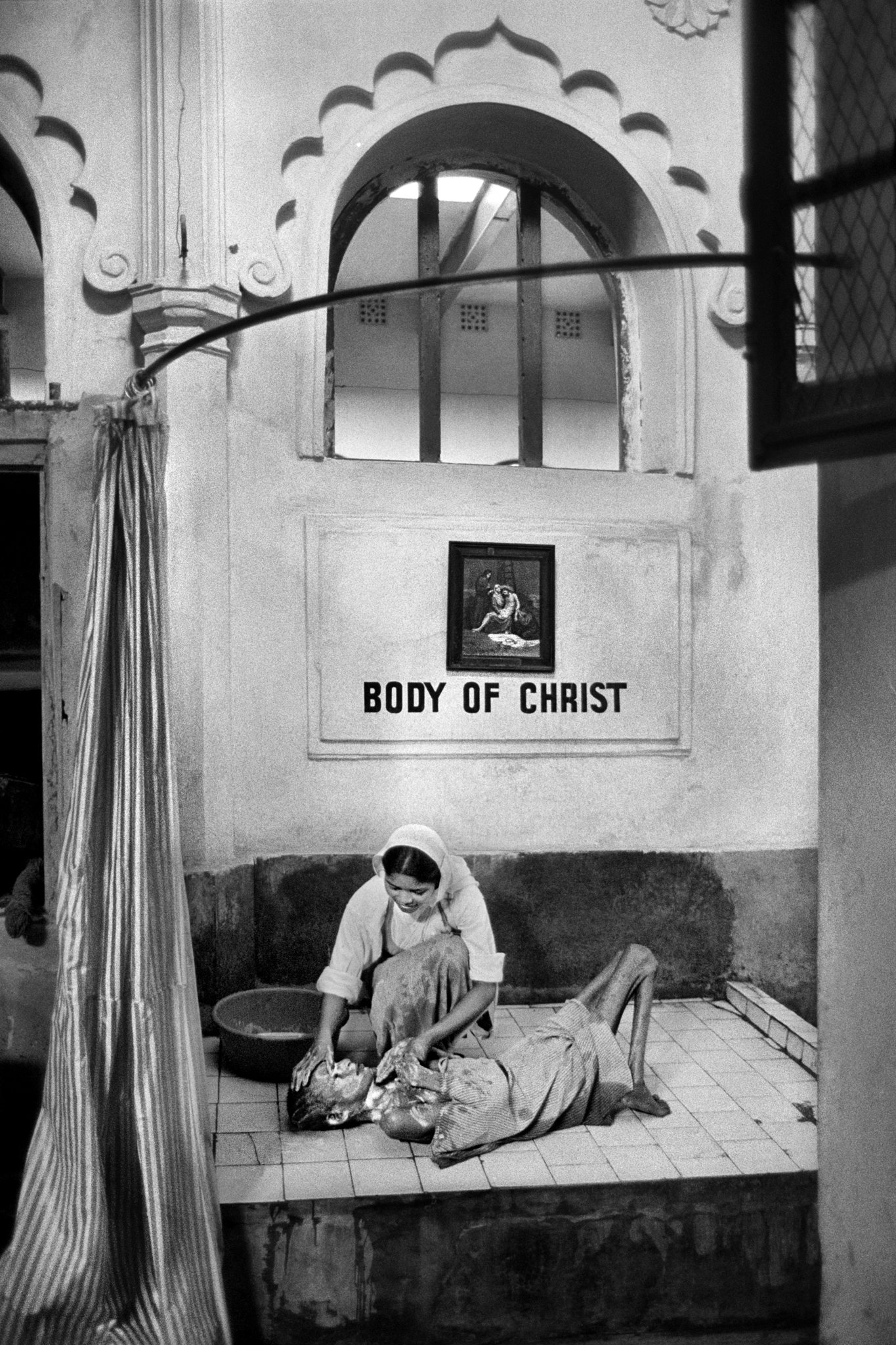
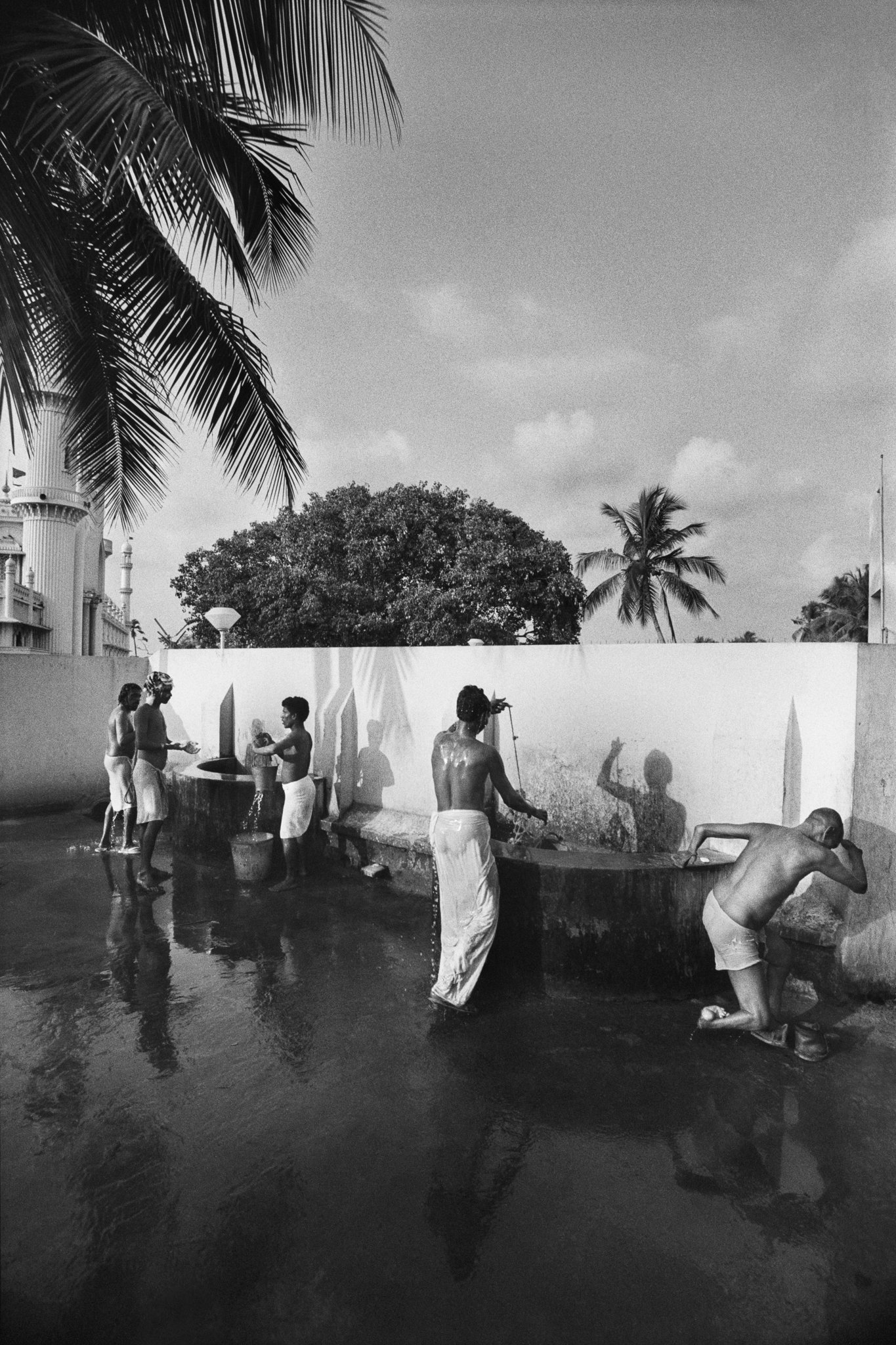
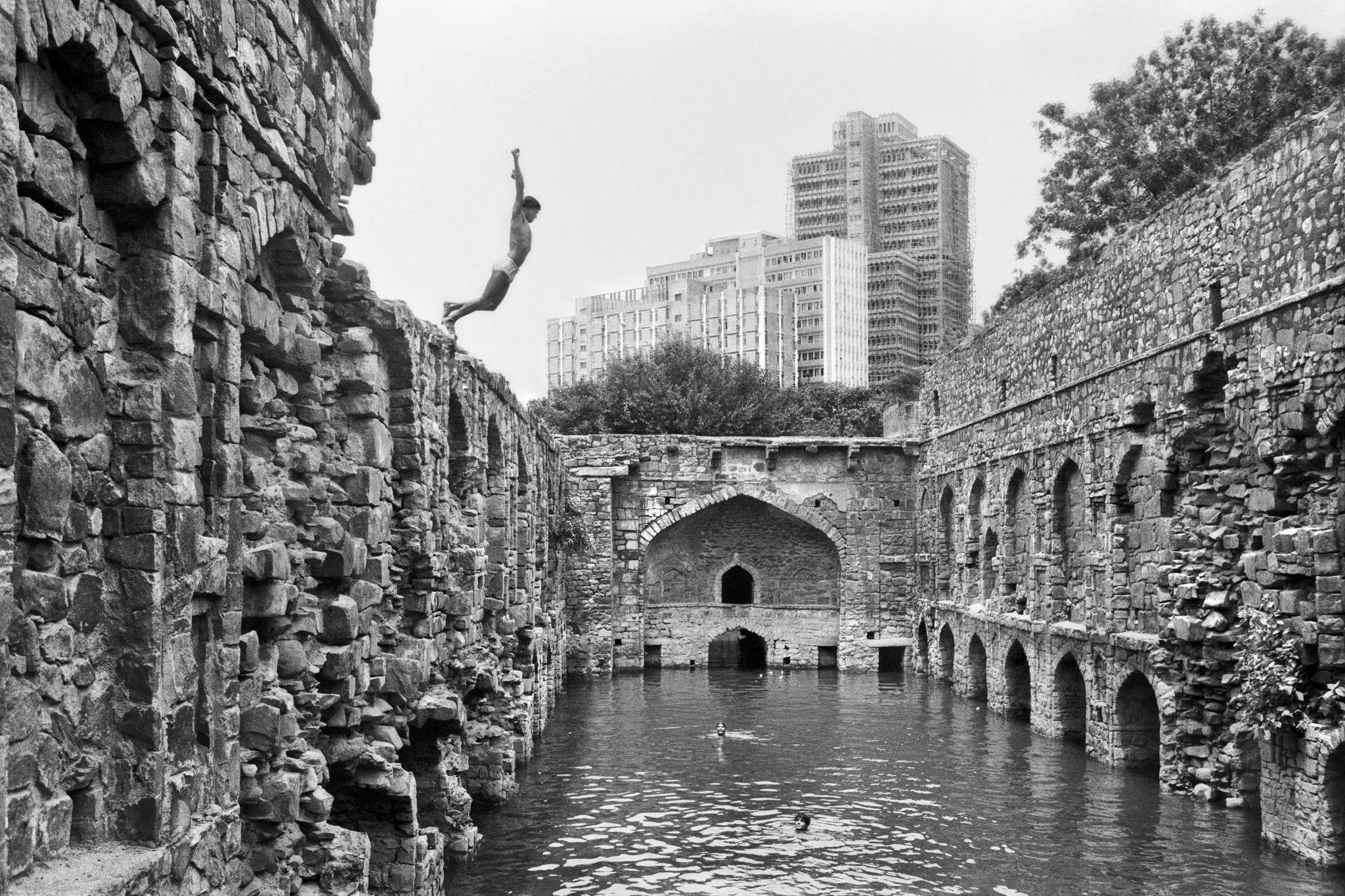
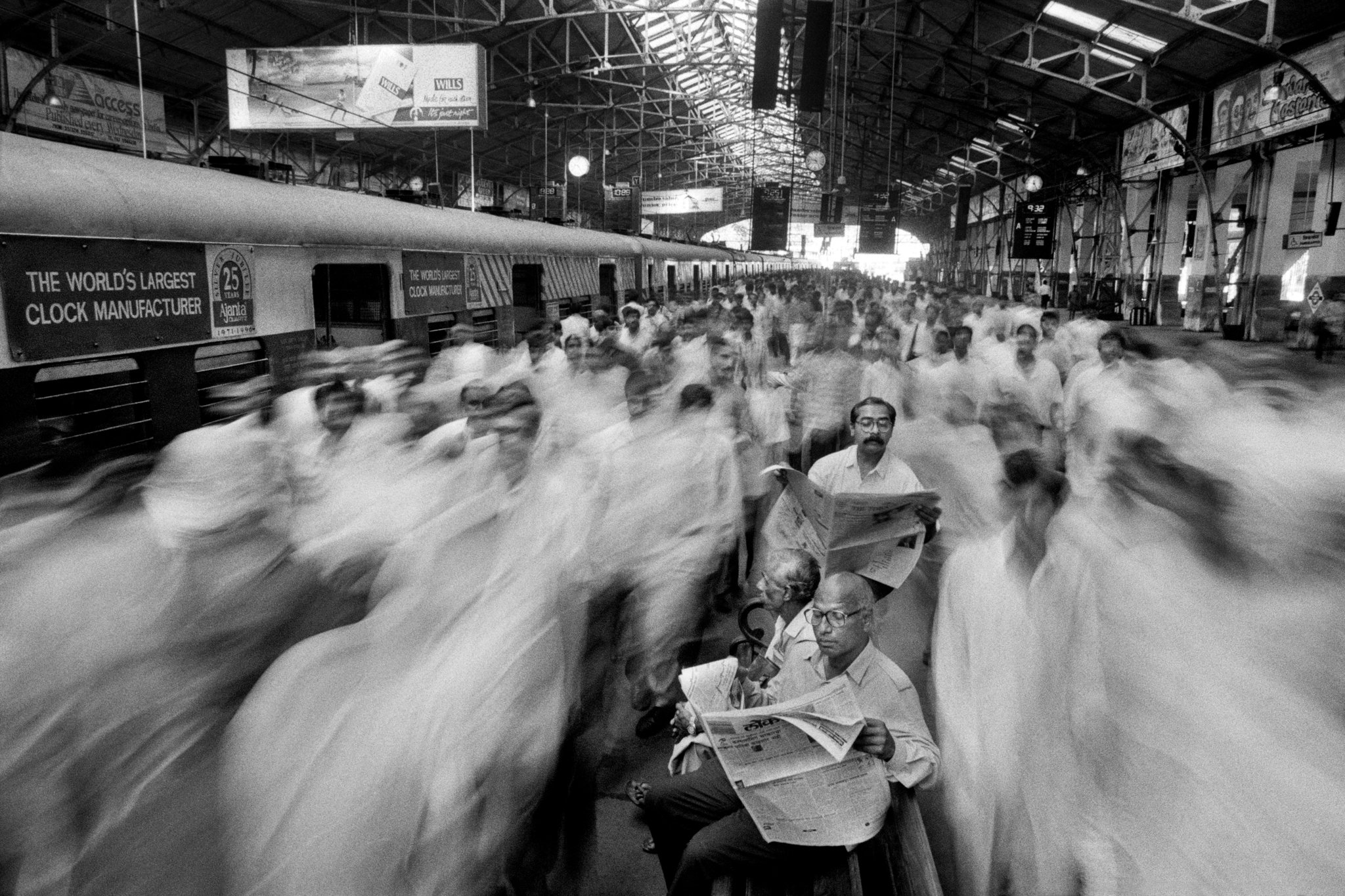
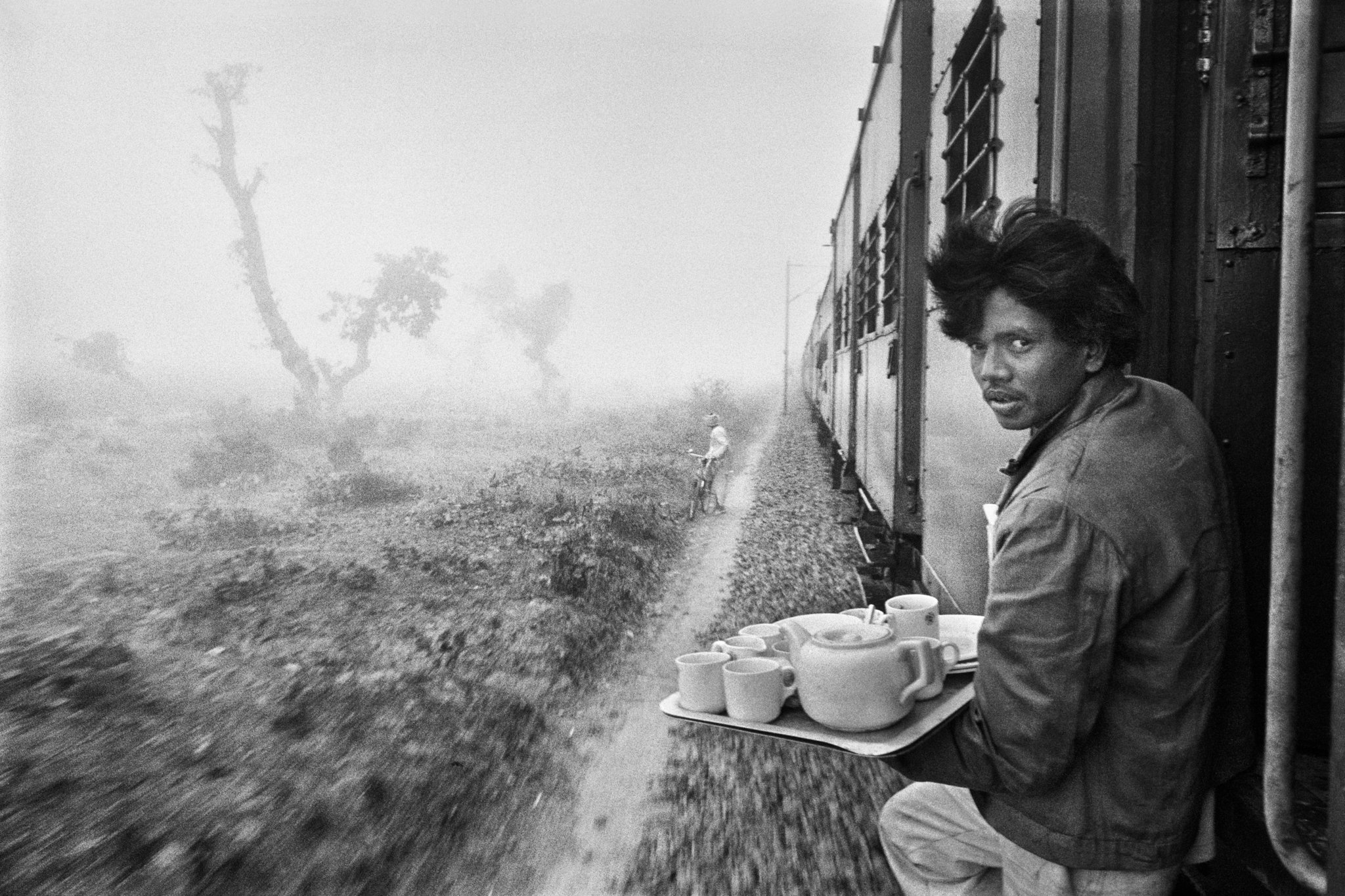
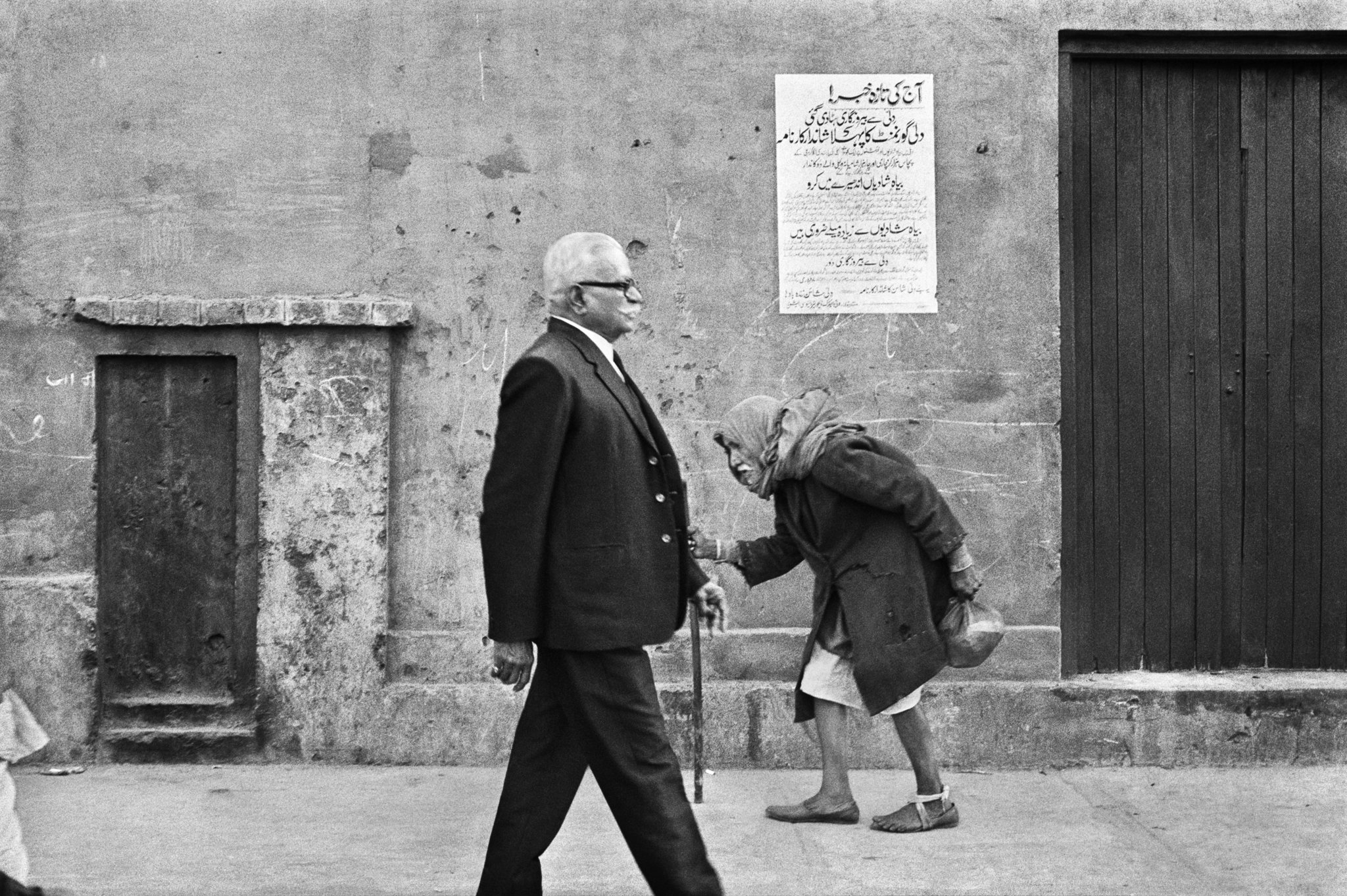
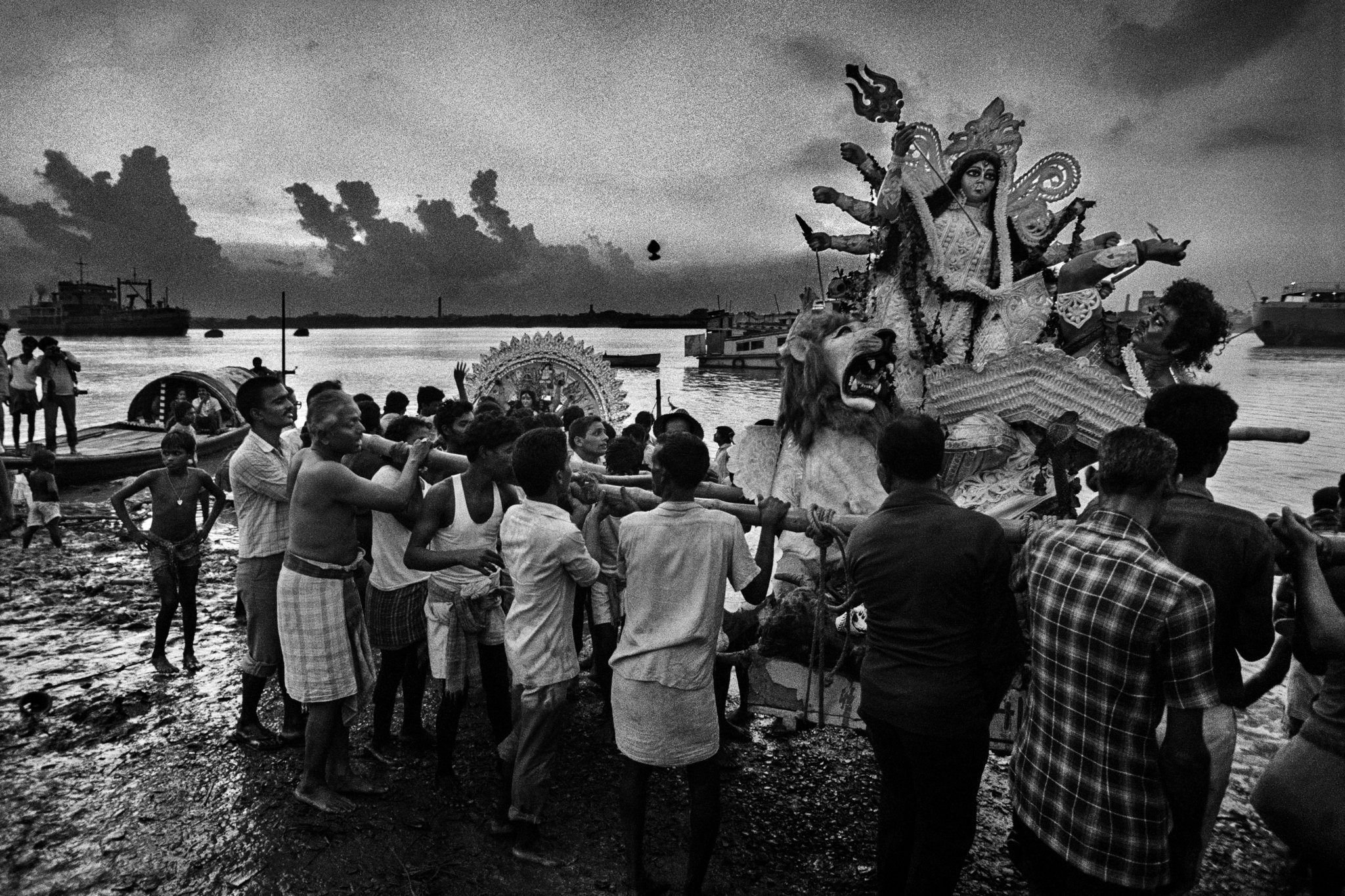
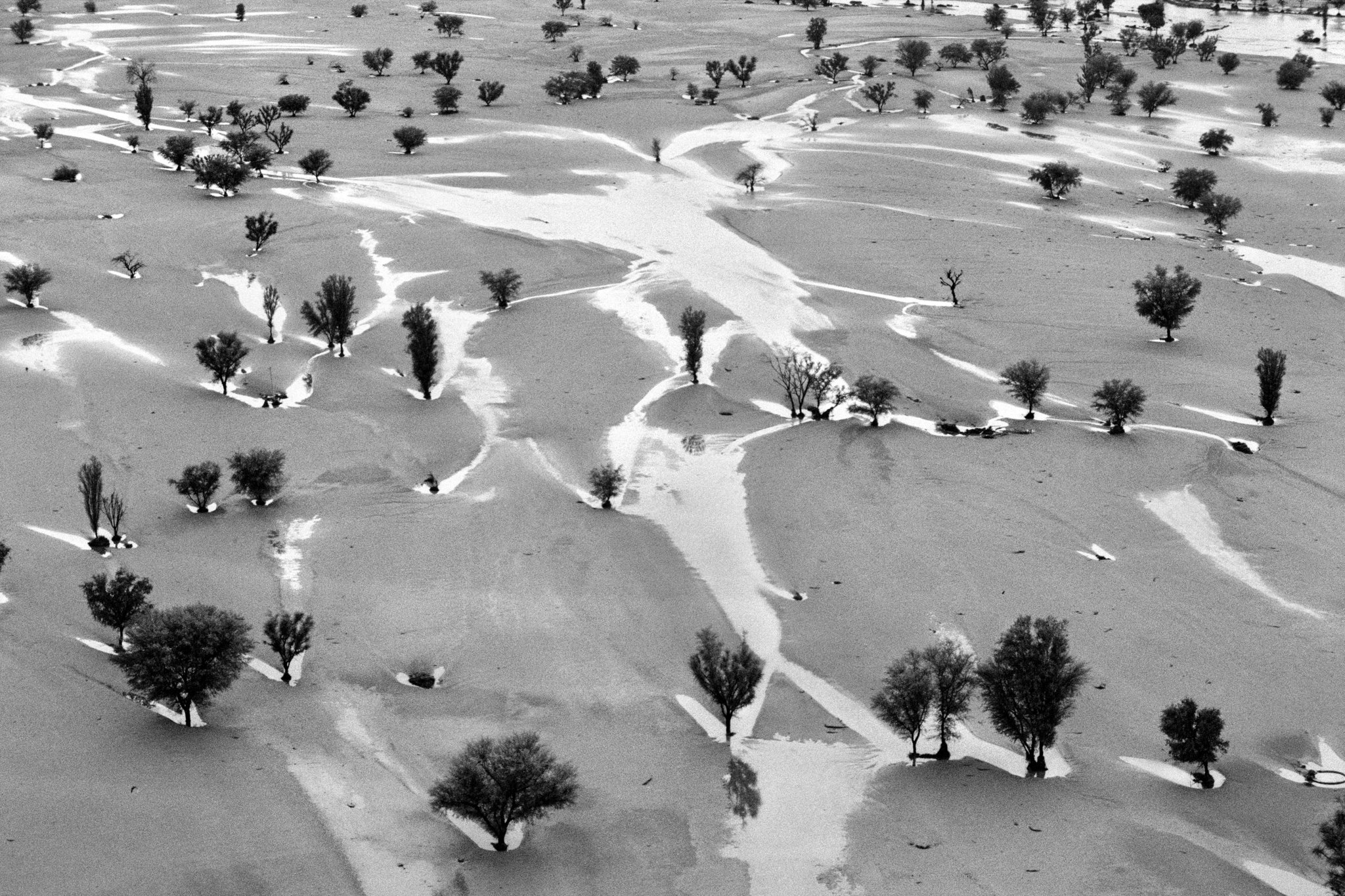
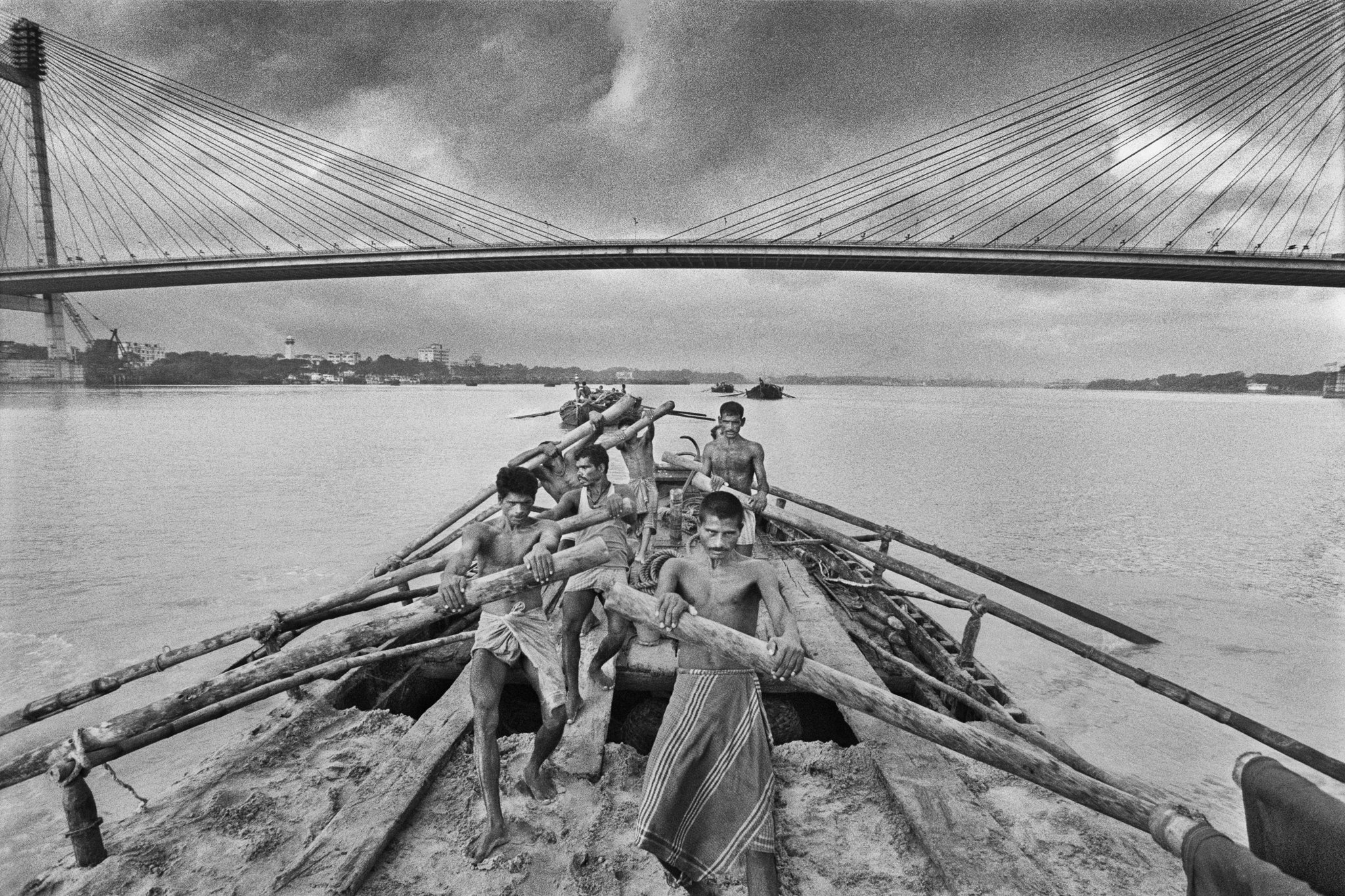
Raghu Rai is renowned for his deeply humanistic approach to documentary photography and his role in shaping modern Indian photojournalism. Born in December 1942 in Jhang, Punjab, British India (now Pakistan), Rai's journey into photography began in 1962 when he started learning under his elder brother, Sharampal Chowdhry (known as S. Paul). Originally qualified as a civil engineer, he began his professional photography career at the age of 23 in 1965.
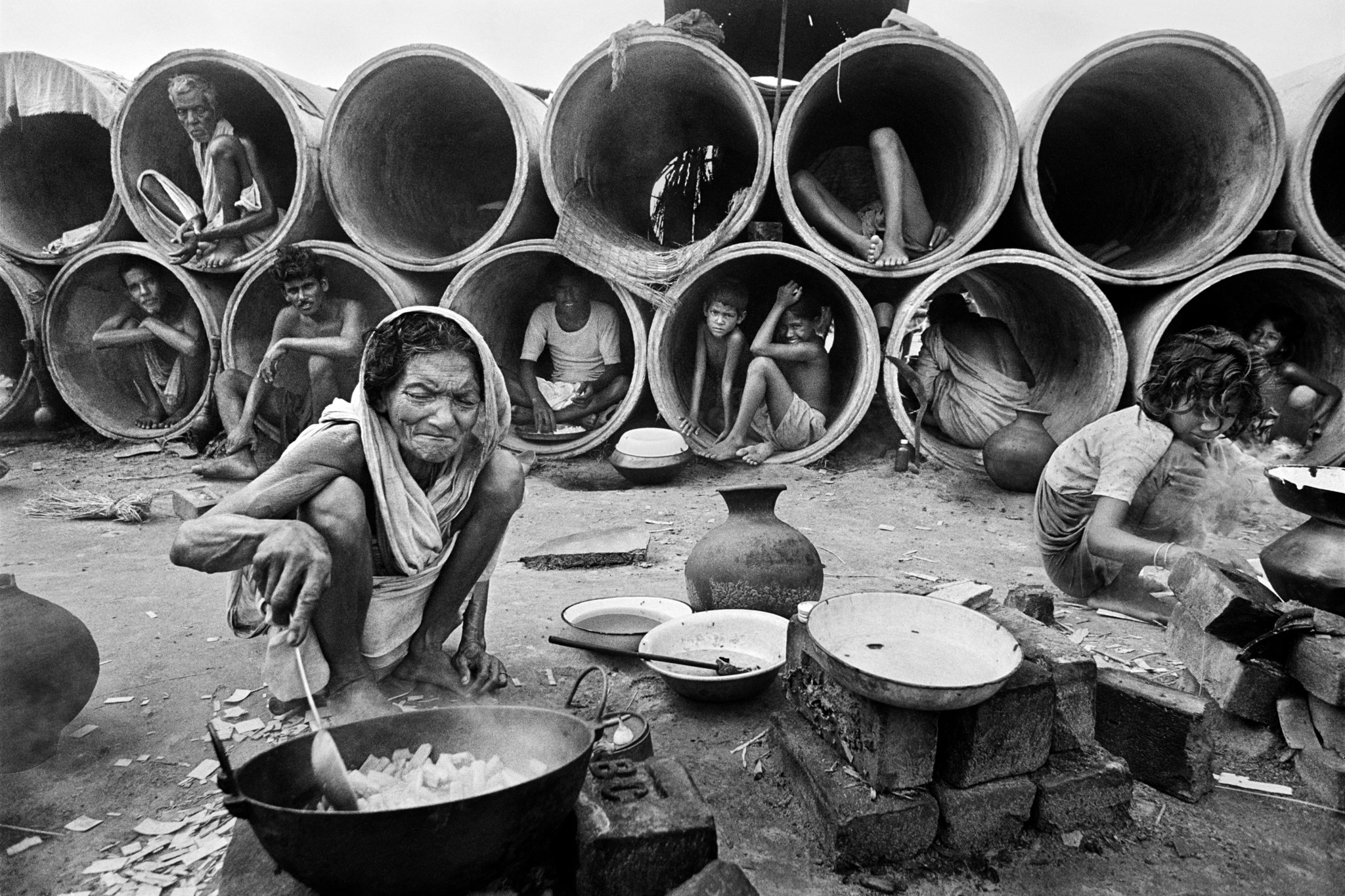
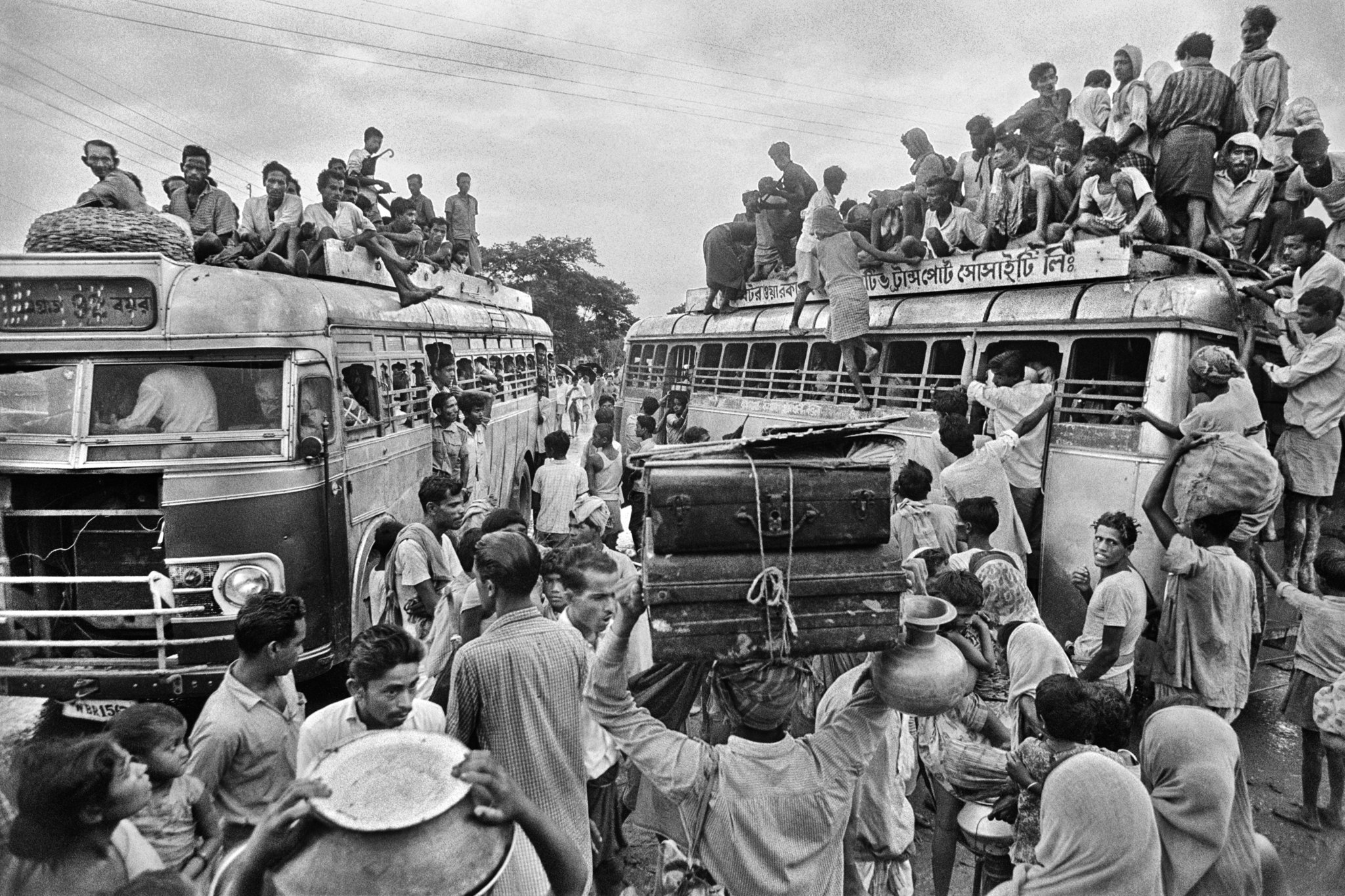
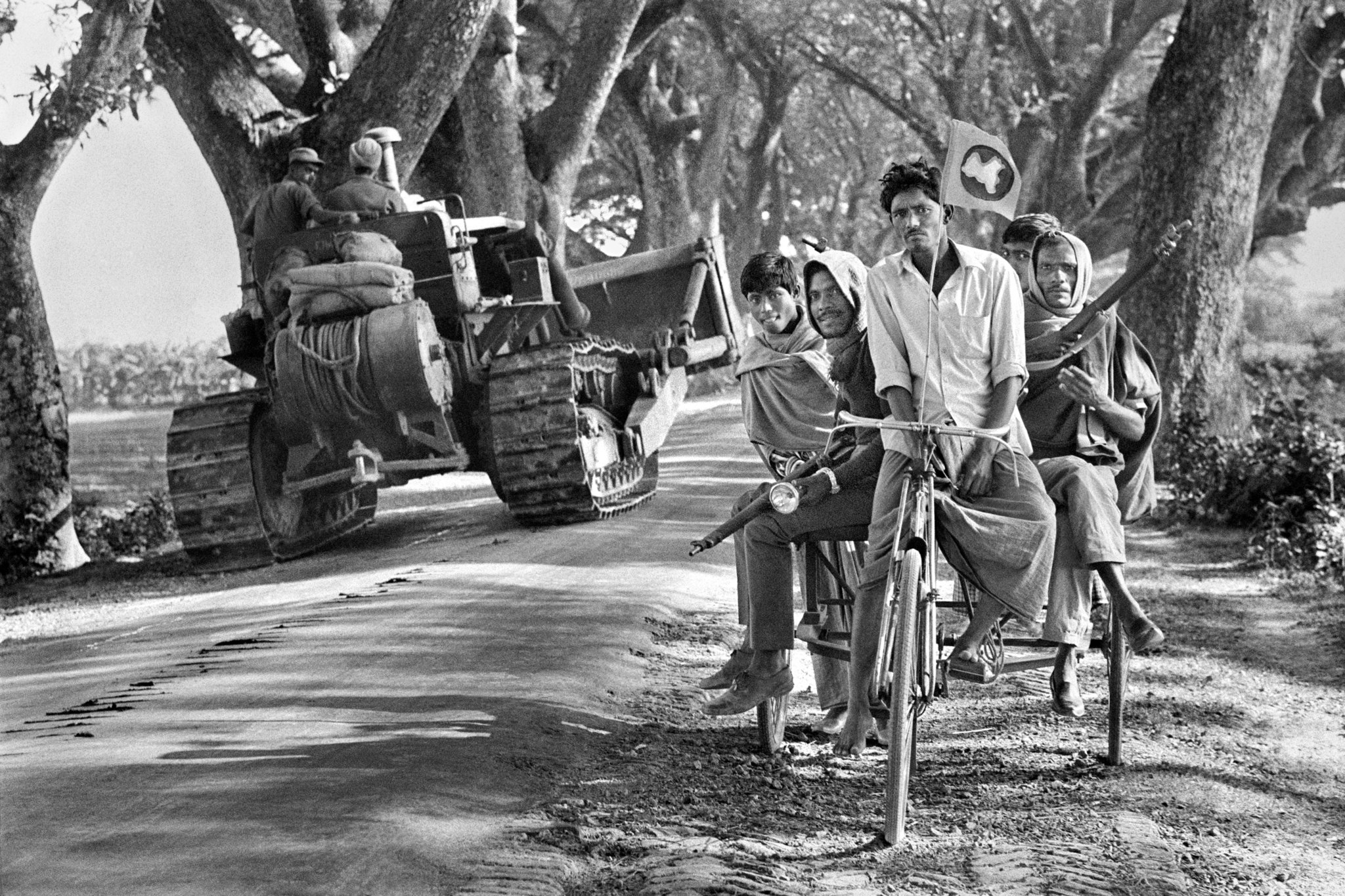
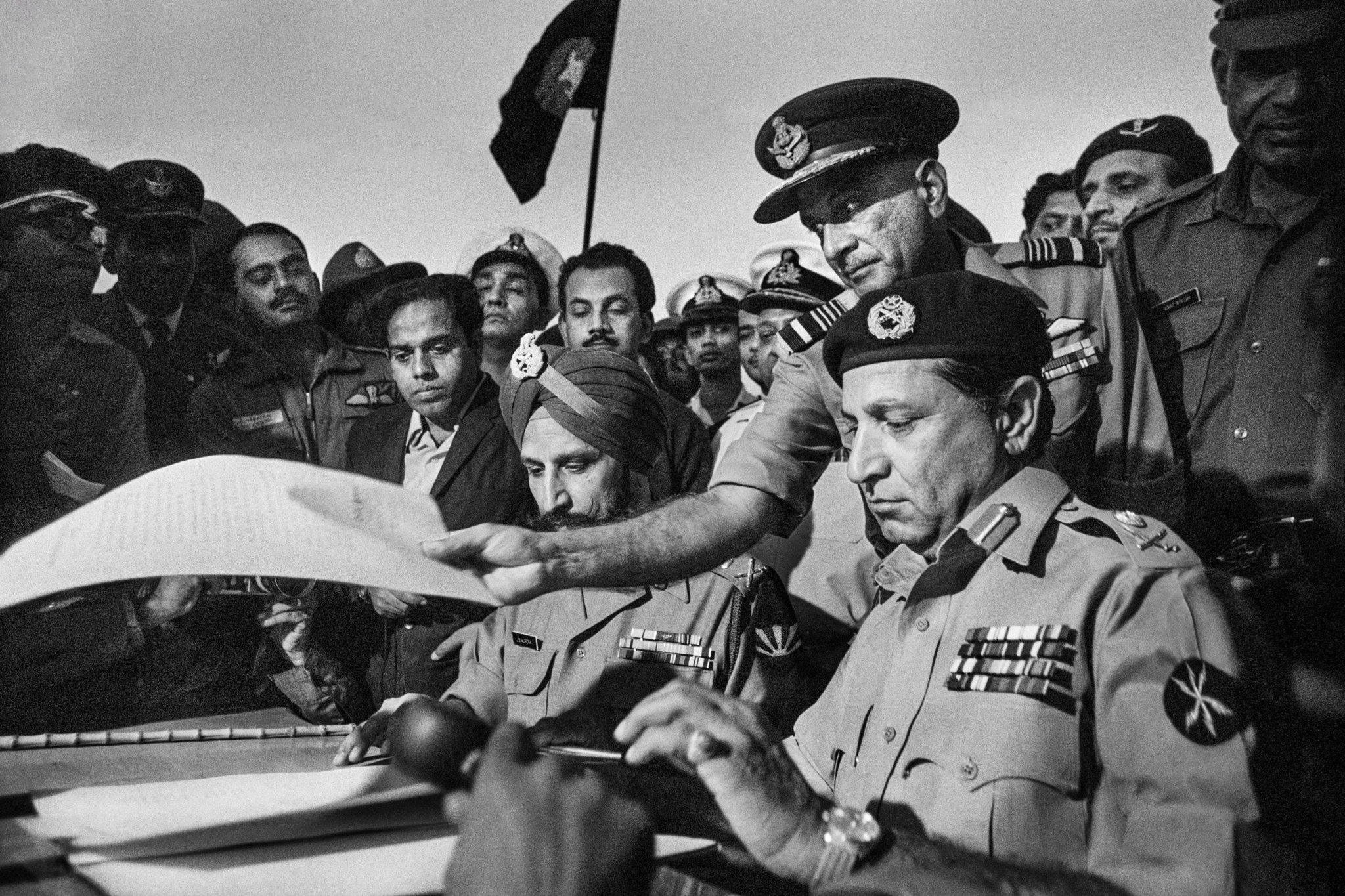
In 1971, impressed by Rai's exhibition at Gallery Delpire in Paris, the legendary photographer Henri Cartier-Bresson nominated him to Magnum Photos, the world's most prestigious photographer's cooperative, which he officially joined in 1977. In 1972, he was awarded the Padma Shri, one of India's highest civilian honors, for his photographic documentation of the Bangladesh liberation war and its refugees.
In 1992, his National Geographic cover story "Human Management of Wildlife in India" won him the Photographer of the Year award in the United States. He has served three times on the jury of the World Press Photo contest and twice on the jury of UNESCO's International Photo Contest. In 2009, the French government conferred upon him the Officier des Arts et des Lettres. In 2017, he received a Lifetime Achievement Award from the Information and Broadcasting Ministry of India. In 2018, the Lucie Foundation in New York honored him with the Lucie Award for Achievement in Photojournalism. In 2019, Rai became the inaugural laureate of the Académie des beaux-arts Photography Award - William Klein.
His work is held in the permanent collection of the Museum of Modern Art (MoMA) in New York and has been exhibited at Les Rencontres de la Photographie in Arles, the Palais de l'Institut de France in Paris, the Metropolitan Museum of Art in New York, and the National Gallery of Modern Art in New Delhi and Mumbai.
In 1971, impressed by Rai's exhibition at Gallery Delpire in Paris, the legendary photographer Henri Cartier-Bresson nominated him to Magnum Photos, the world's most prestigious photographer's cooperative, which he officially joined in 1977. In 1972, he was awarded the Padma Shri, one of India's highest civilian honors, for his photographic documentation of the Bangladesh liberation war and its refugees.
In 1992, his National Geographic cover story "Human Management of Wildlife in India" won him the Photographer of the Year award in the United States. He has served three times on the jury of the World Press Photo contest and twice on the jury of UNESCO's International Photo Contest. In 2009, the French government conferred upon him the Officier des Arts et des Lettres. In 2017, he received a Lifetime Achievement Award from the Information and Broadcasting Ministry of India. In 2018, the Lucie Foundation in New York honored him with the Lucie Award for Achievement in Photojournalism. In 2019, Rai became the inaugural laureate of the Académie des beaux-arts Photography Award - William Klein.
His work is held in the permanent collection of the Museum of Modern Art (MoMA) in New York and has been exhibited at Les Rencontres de la Photographie in Arles, the Palais de l'Institut de France in Paris, the Metropolitan Museum of Art in New York, and the National Gallery of Modern Art in New Delhi and Mumbai.
Former judges
Antanas Sutkus
Duane Michals
Edward Fella
Fritz Gottschalk
Gerald Scarfe
Graciela Iturbide
Guy Billout
Henry Steiner
Maciej Hibner
Nobuyoshi Araki
Rosmarie Tissi
Seymour Chwast
Tom Geismar
William Klein
Duane Michals
Edward Fella
Fritz Gottschalk
Gerald Scarfe
Graciela Iturbide
Guy Billout
Henry Steiner
Maciej Hibner
Nobuyoshi Araki
Rosmarie Tissi
Seymour Chwast
Tom Geismar
William Klein